
Global

While conflict theories and resolution processes advanced dramatically during the second half of the 20th century, particularly thanks to the important work of several key scholars such as Professor Johan Galtung – see ‘Conflict Transformation by Peaceful Means (the Transcend Method)’ – significant gaps remain in the conflict literature on how to deal with particular conflict configurations. Notably, these include the following four.
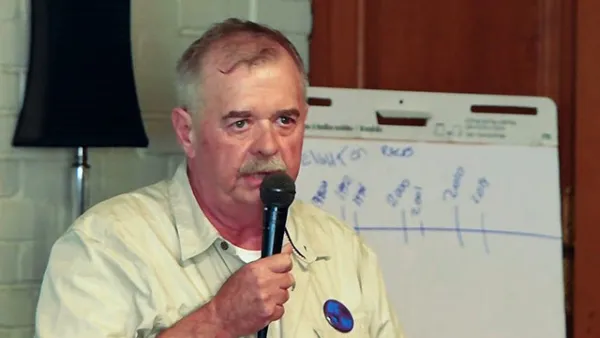
Bob interviews John Brakey, election transparency activist who is traveling the country to check out if every state uses the ballot imaging function on their voting machines to provide an audit trail.
http://www.wcrsfm.org/audio/by/title/the_other_side_of_the_news_march_3…

Bob and Dan discuss Trump's latest craziness about the caravan of people at the Mexican border, the recent shooting of a black man in Brooklyn, and talk about some of the issues and events in the April Free Press, including a comemmoration of the 25th anniversary of the Lucasville prison uprising.
http://www.wcrsfm.org/audio/by/title/the_other_side_of_the_news_april_7…

US District Court for Eastern District of New York

Dear Editor,
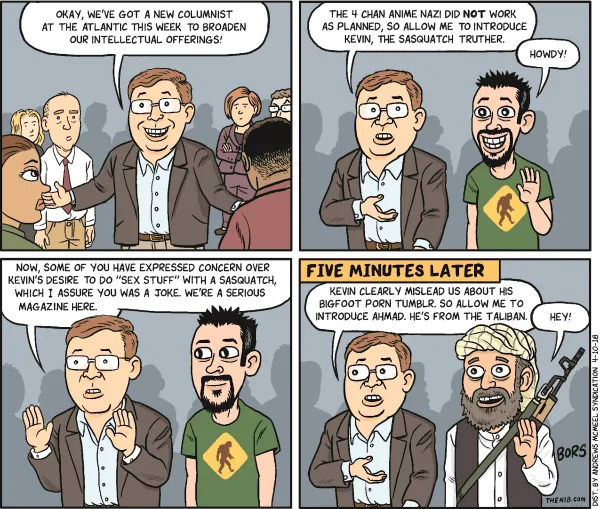
I’ve have been a long time reader of The Columbus Free Press and of your “Columbus Media Insider” articles. I have a strong problem with the articles as of late, The focus on The Dispatch has been too much actually and have come at the cost of not serving the mission of your paper “speaking truth to power”
Recently, There have been articles galore about Sinclair Broadcasting Group and their recent “Propaganda” disguised as a Editorial / PSA that stations that were owned by them were forced to run that attack the press in general. Unfortunately, This is not the first time this company has used their stations to push propaganda. This goes back and ranges a long time over conservative issues and bias that they are forcing it station to run.
In Columbus, They own three stations, WSYX ABC 6, WTTE FOX 28 and WWHO CW 53 and in Ohio they own a station in EVERY Ohio Market except, Cleveland. This could change if a merger with Tribune goes through and they acquire WJW FOX 8 in Cleveland.

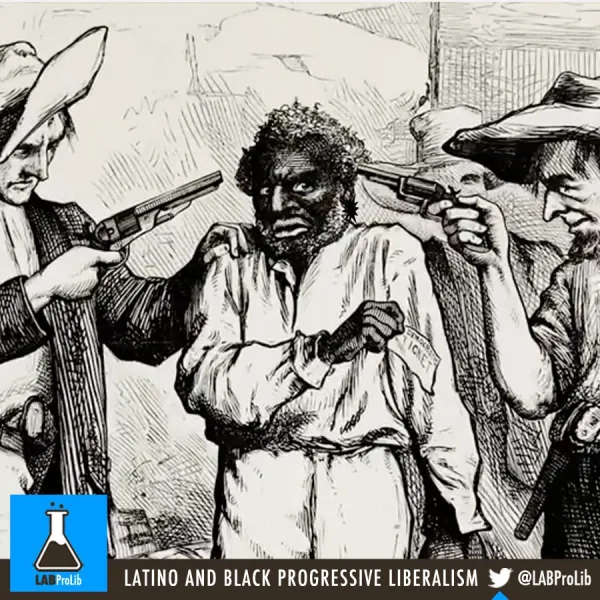
Repeal and replace? How about the Second Amendment?
“A well-regulated militia, being necessary to the security of a free State, the right of the people to keep and bear Arms, shall not be infringed.”
Setting aside the antique strangeness of the wording, isn’t it time to give thought to the values that permeated the era in which it was written — and who, exactly, “the people” were to which it referred?
I say this realizing that the United States has evolved over the years. Women gained the right to vote. Slaves gained quasi-freedom and then, a hundred years later, their descendants won the right to vote, the right to use a public restroom, the right to . . . live as first-class citizens, sort of. Except for the economy, the prison system, the ongoing racism.

BANGKOK, Thailand -- Thailand's military government insists the army will not turn against the ruling junta and is warning pro-election civilians to stop trying to split the regime, smear it with corruption allegations or protest in the streets for democracy.
The escalating confrontations threaten Prime Minister Prayuth Chan-ocha's purported plan to manipulate a post-election parliament to extend his stay in power which began when he led a bloodless 2014 military coup.
"I am not interested in dragging things out," Mr. Prayuth said on March 30 responding to fears that he would again delay the election because his popularity is falling.
Small, fearless, anti-junta demonstrations meanwhile have again appeared in Bangkok's congested, sweltering streets.
Their latest satirical attack involves wearing paper Pinocchio facemasks resembling Mr. Prayuth with an elongated nose because they do not believe his statements.
They also demand the armed forces stop supporting the regime.

“Violence and other potentially criminal behaviors caused by prescription drugs are medicine’s best kept secret.” -- David Healy, UK psychiatrist and author (and co-founder of www.RxISK.org)
“The establishment media ignores the scientific evidence linking psychiatric medications and violent behavior because psychiatry is the religion of the mainstream media, and they don’t want to see the dangers of psychiatrically prescribed drugs.” -- Peter R. Breggin, psychiatrist and author (www.breggin.org)