
Global
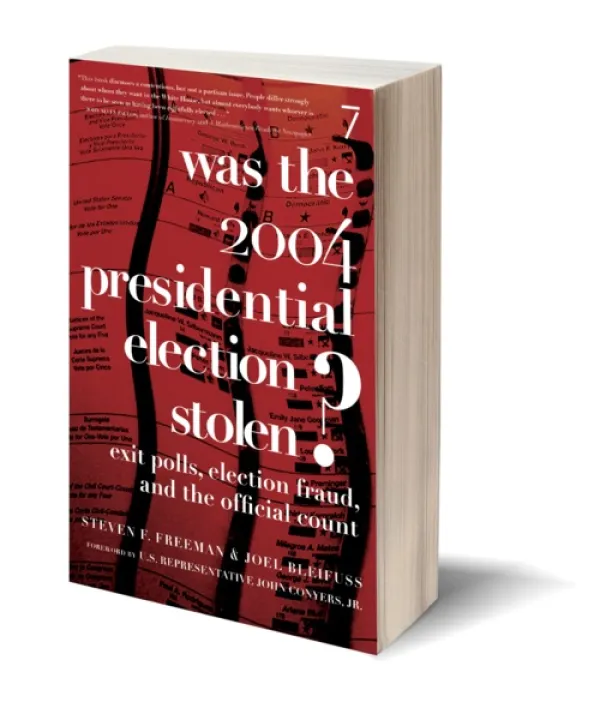
Taken together, the revelations show Republicans – in state and county government, and in the Ohio Republican Party – were determined to undermine and suppress Democratic turnout by a wide variety of methods.
The revelations were included in affidavits gathered for an election challenge lawsuit filed Monday at the Ohio Supreme Court. Ohio's Republican Electoral College representatives are also to meet at noon, Monday, at the State House, even though the presidential recount, requested by the Green and Libertarian Parties, is only beginning the same day.
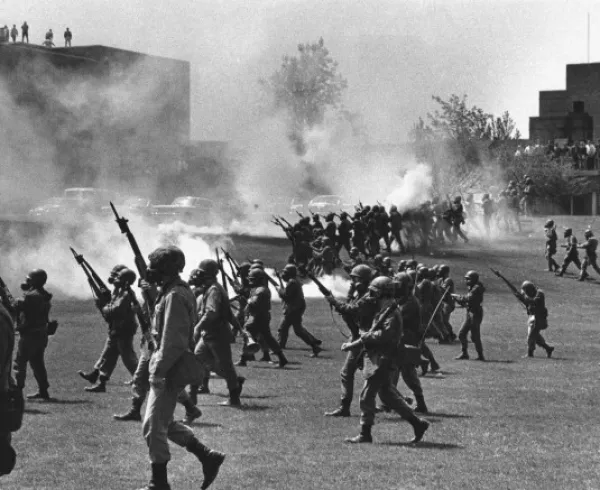
Why would the FBI assert that the newly-inaugurated governor of Ohio is "completely controlled"? Media sources like Life magazine noted the governor’s alleged ties to organized crime and the Mafia in specific. Gov. Rhodes’ FBI file, obtained through a Freedom of Information Act request, suggests that it may be because of the FBI’s extensive knowledge of Rhodes’ involvement in the numbers rackets in the late 1930’s that the Bureau could count on his cooperation.
It’s that time of year again: Another summer movie season is nearly upon us.
You could certainly be forgiven for not being up to date on what special effects extravaganzas are coming to theaters in the next few months. After all, we’re kind of busy dealing with the existential horror of everyday life in America in 2018. The usual buzz-factories of social media are too busy with the constant stream of news to give more than a minute or two to the latest Avengers trailer. And how excited can you manage to get about movies that may never be released thanks to petulant man-children with their fingers on the nuclear triggers?
So let’s start with the movies most of us will likely live to see, assuming we don’t get gunned down by AR-15-wielding white conservative terrorists or held in indefinite detention by ICE agents.
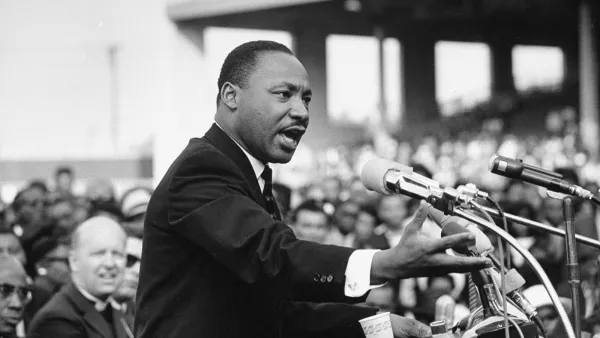
Fifty years ago, on 4 April 1968, the Reverend Martin Luther King Jr. was assassinated.
The night before he died, King gave another of his many evocative speeches; this one at the packed Mason Temple in Memphis. The speech included these words:
‘Men for years now have been talking about war and peace. Now no longer can they just talk about it. It is no longer a choice between violence and non-violence in this world, it is non-violence or non-existence. That is where we are today.’
In clearly identifying this stark choice and having been inspired by Mohandas K. Gandhi’s wideranging social concerns, King’s concerns were also broad:
‘The Triple Evils of poverty, racism and militarism are forms of violence that exist in a vicious cycle. They are interrelated, all-inclusive, and stand as barriers to our living in the Beloved Community. When we work to remedy one evil, we affect all evils.’ See ‘The King Philosophy’.
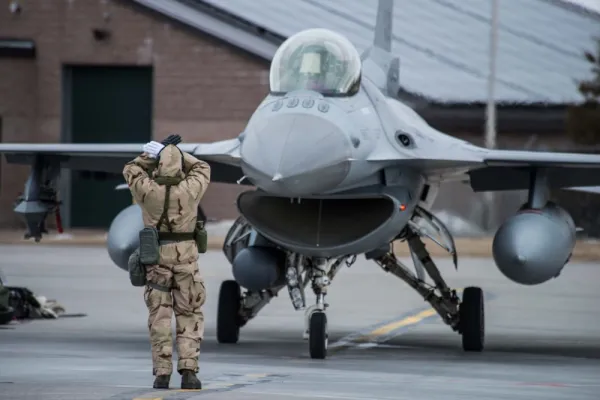
The politics of American imperialism are alive and well in Vermont, where elected officials are defending the military-industrial war-making machine against voters who reject ruling class priorities. At the symbolic center of this democratic confrontation is the notorious F-35 Joint Strike Fighter, the world’s most expensive weapons system, designed to kill in many ways, including a nuclear first strike. And the few times Vermonters have had the chance to vote, they’ve voted against basing this loud, health-harming, housing-destroying offensive war machine in the state’s most densely populated area. Now it’s coming to a head in a people versus career politicians face-off.
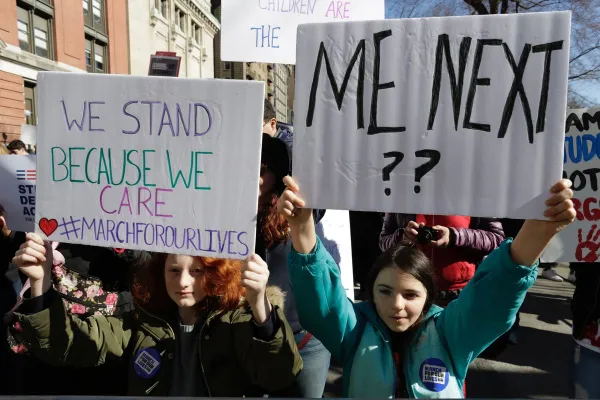
The cries of loss and anguish become public, at last. A million young people seize the truth:
“Half of my seventh grade class was affected by gun violence. My own brother was shot in the head. I am tired of being asked to calm down and be quiet.”
The stories went on and on, speaker after speaker. We marched for our lives this past Saturday. I was one of the thousands of people who endured a bitter cold morning in Chicago to be part of this emerging movement, this burst of anger, hope and healing. Violence in the United States of America is out of control. It has its claws around the lives of its own children. It’s a terrifying symptom . . . of a society built around fear, of a political structure devoted to war.
Something has to change.

“…only 1 in 10,000 HPV-infected women develop cervical cancer.” --https://healthimpactnews.com/2015/study-hpv-infections-not-necessary-for-development-of-cervical-cancer-are-hpv-vaccines-worthless/
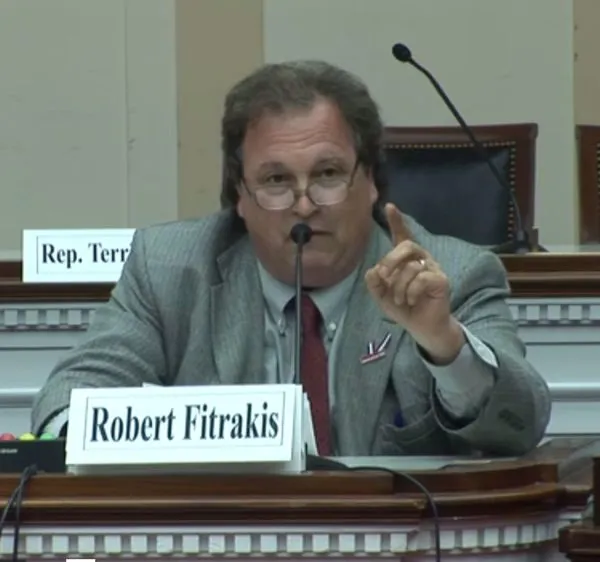
Bob interviews John Brakey, election transparency activist who is traveling the country to check out if every state uses the ballot imaging function on their voting machines to provide an audit trail.
http://www.wcrsfm.org/audio/by/artist/bob_fitrakis_and_john_brakey
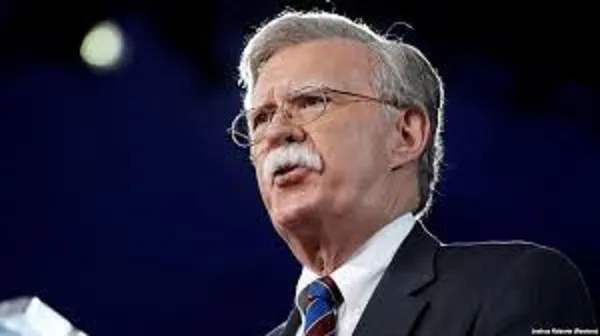
With the appointment of leading neoconservative John Bolton as National Security Advisor, the Zionist war-party takeover of the White House is nearly complete. With Mike Pompeo as Secretary of State, Nikki Haley at the U.N. and now Bolton whispering in the President’s ear, we have a fully endowed war cabinet that will make sure the Mullahs, Russkies and Rocket Man begin to pay attention. As Haley laid down the law in the United Nations last week, “Our patience is not unlimited.”