
Global
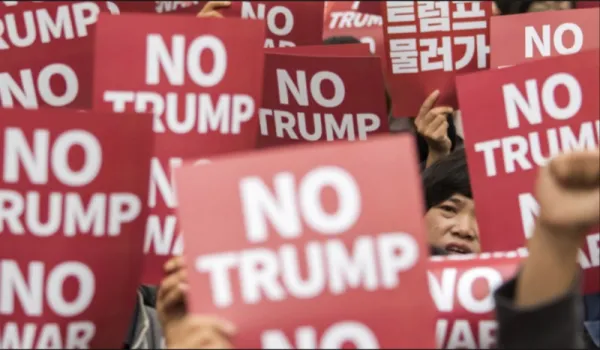
Dear Mr. President (or should I say, Dear Mr. I-Lost-the-Popular-Vote-By-3mm-and-Needed-Putin-to-Steal-the-Electoral-College-For-Me):
I never liked you. Not even back in the 80’s and 90’s when most people kinda sorta liked you. When you were “fun” Trump. Liberal Trump. Brash New Yorker Trump. The kind of egotistical big-city blowhard that people, for some reason, admire and were attracted to. Which explains why you were given a tv show which became wildly popular.
But now you’re president. And not just president, but the worst president in the history of presidents. And also the least popular. To be frank, you’re an abomination. You and your presidency are more chaotic than Jeb Bush could’ve ever imagined. Than any of us could’ve imagined. It’s that bad.
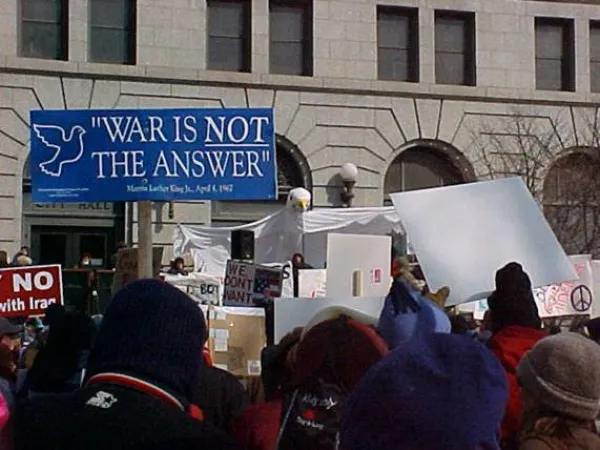
15 years ago, on January 25, 2003, 1,500 Duluth-area, anti-war activists participated in a downtown march and rally at the Civic Center, protesting what the George W. Bush administration and his allies in the right-wing, pro-war Project for the New American Century (google it) promised to be the start of an endless series of senseless, illegal, unaffordable and perpetual wars for empire and resource acquisition in the Middle East.
6 weeks later, on March 8, 2003, sensing an increased urgency that was well-understood by the entire peace-loving world, 1,400 Duluth-area altruistic activists participated in another Civic Center rally against the promised war.
By David Swanson
http://davidswanson.org/thinking-beyond-exceptionalism/
Excepted from Curing Exceptionalism: What’s wrong with how we think about the United States? What can we do about it? (April, 2018).
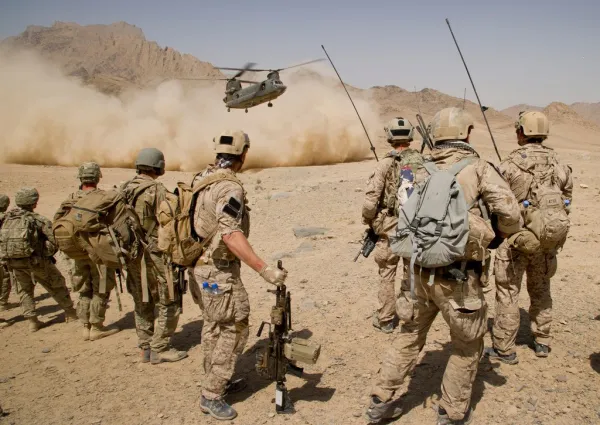
 he Pentagon, having spent three years creating famine and spreading cholera on an unprecedented scale in one of the poorest countries in the world, Yemen, now lies, baldly but with lawyerly gracelessness, that the American bombs guided by American officers to targets as often as not civilian is somehow “noncombat.” Effectively, the Pentagon argues that when US military forces only enable genocide, it’s not combat. Strictly speaking, the Pentagon is only following orders to commit ongoing war crimes.
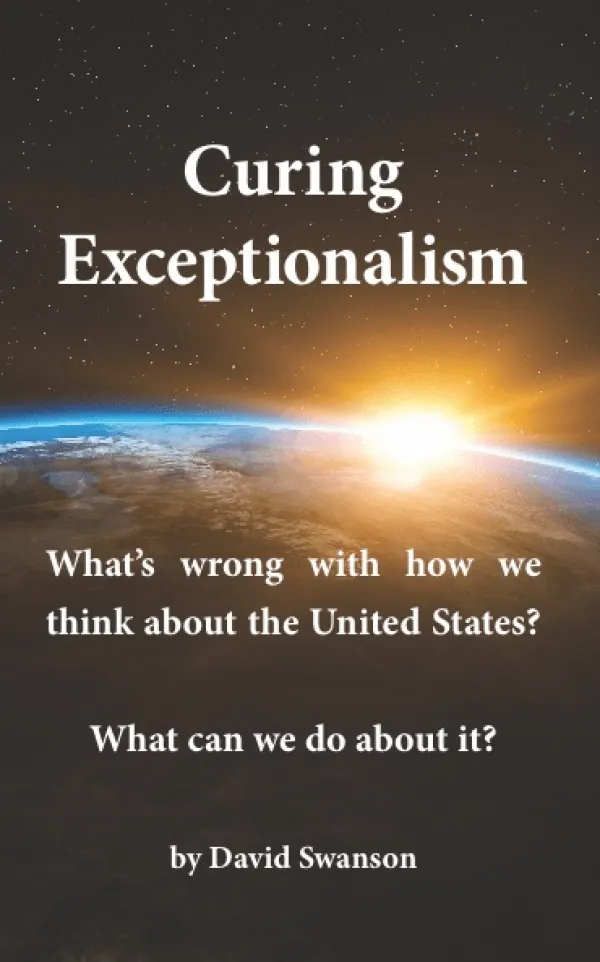
My new book is coming out very soon. Get in touch regarding interviews or publishing excerpts.
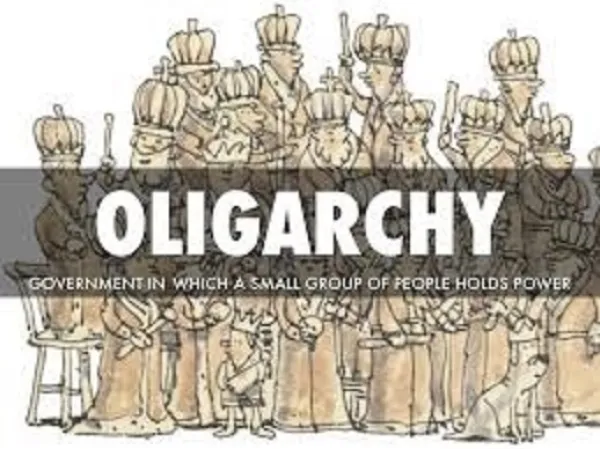
By now, anyone with a scintilla of public spirit knows the names of Adelson, the Koch Brothers, Mercer, and the mammoth corporations from Wall Street, the banks, the oil companies, big Pharma, big agriculture, and the like. If you are of the older generation, as I am, you remember when you and those who thought like you clucked over the millions that were being spent in political campaigns. How quickly the change in a single letter signified our movement to campaigns of millions. Now it’s billions.
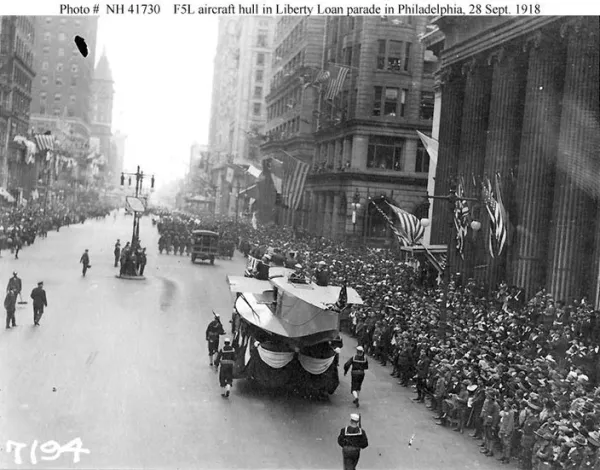
It’s hard not to focus on the fact that Trump has picked the 100th anniversary of the first Armistice Day celebration for his weaponry parade (more on that below). But there was another parade a month and a half before the armistice that cries out for comparison because of its remarkable stupidity. I’m thinking of the Liberty Loan Parade in Philadelphia:
This was a parade to squeeze more money out of people to pay for war, to celebrate patrioti-nationali-militarism, and to reject fake news. I’ll explain that last one.
World War I brought us a number of wonderful gifts: professional propaganda, alcohol prohibition, World War II “The Sequel!,” and “Spanish” influenza. But one reason that this disease epidemic was called “Spanish” was that Spain was not at war, so Spanish media outlets were allowed to report that thousands of people were dying of a horrible disease. In nations at war, such a report would have been unacceptably un-cheerful — and therefore illegal. Few editors wanted to risk jail time to report on the flu in Woodrow Wilson’s brave new world. The flu was fake news.
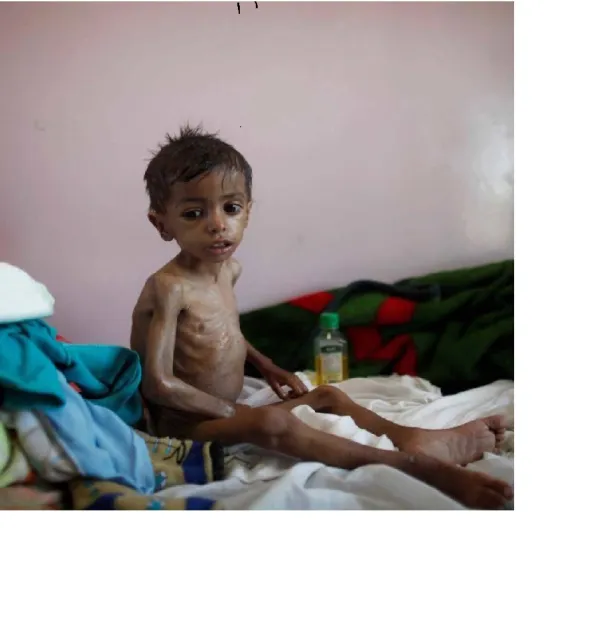
Tuesday’s debate and vote in the U.S. Senate on whether to end (technically whether or not to vote on whether to end) U.S. participation in the war on Yemen can certainly be presented as a step forward. While 55 U.S.