
The Free Press is bringing back a Reviews section after some absence. We hope to review plenty of events around town. Check back frequently and if what\'s going on is any good.
Arts & Culture
Image

Bring spray bottles of pink liquid to military recruitment offices and displays.
Spray them.
Tell potential recruits: Be all that you can be. And this could be you.
“Pink mist. That’s what they call it.
“When one of your mates hasn’t just bought it,
“but goes in a flash, from being there to not.
“A direct hit. An I.E.D. An R.P.G. stuck in the gut.”
Those are lines from a play called Pink Mist written in verse by Owen Sheers about three young lads from Bristol who sign up for war in Afghanistan.
Read it. Perform it. It begins like this:
“Three boys went to Catterick.
“It was January,
“snow pitchen on the Severn,
“turning the brown mud white,
“fishermen blowing on their fingerless gloves,
“the current pulling their fishing lines tight.
“That’s how it was the morning when
“the three of us did what boys always have
“And left our homes for war.”
Image

A young, much-beloved woman was gang-raped three years ago on a bus in Delhi and a culture exploded.
The documentary India’s Daughter, which addresses the horrific rape-murder and its aftermath, is part of that explosion of awareness, aimed straight at the heart of India’s cultural dismissal of women as full-fledged members of society and full-fledged human beings. It opens up a world where people can still say: “A decent girl won’t roam around at 9 o’clock. A girl is far more responsible for a rape than a boy.”
Remarkably, it also does more than that. It envisions the sort of peace that looks squarely at the worst of who we are . . . and calls, not for more scapegoating, but for collective responsibility. The stories of the six young men convicted of the crime are also part of Leslee Udwin’s documentary. Their lives, just as the victim’s life, are embraced with compassion and openness.
Image
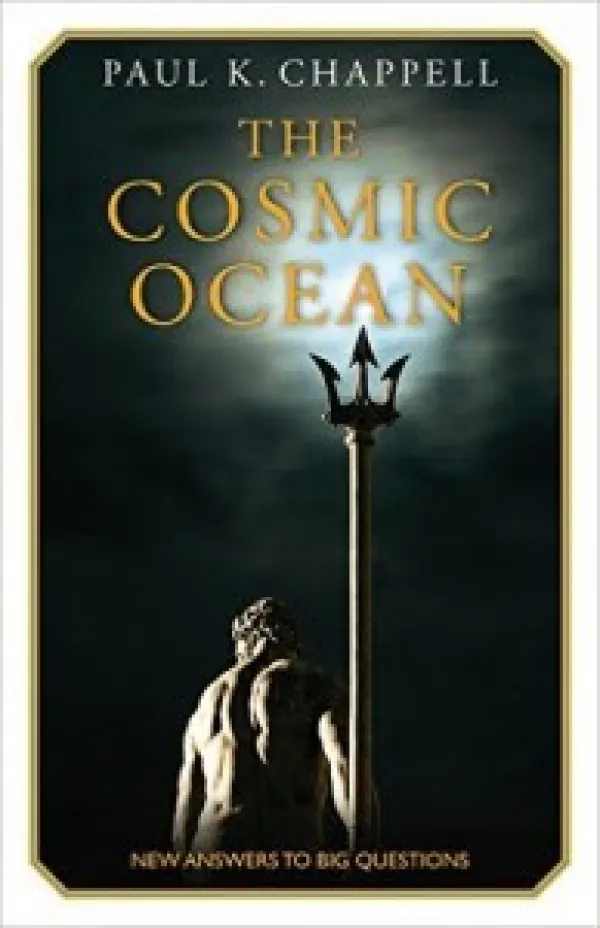
“I was sleeping peacefully late one night when I felt someone grab my leg and drag me from my bed onto the floor. My leg was pulled so hard I heard my pajama pants rip down the middle. Looking up and seeing my father, I began to panic as he pulled my hair and told me he was going to kill me.”
Paul Chappell is recounting an incident from when he was four years old. The terror of such unpredictable attacks in the years that followed traumatized him. Chappell’s father had been traumatized by war, and Chappell would also end up joining the military. But over the years, Paul managed to turn his childhood trauma, not into a continued cycle of violence but rather into a means of gaining insight into how the institution of mass violence might be ended.
Image

A new book, edited by Nick Buxton and Ben Hayes, both involved with The Transnational Institute, brings together a thoughtful collection of scholars, journalists and activists to explain the pre-eminence of the military and corporations in shaping the global response to the climate catastrophe as an 'opportunity'. See 'The Secure and the Dispossessed: How the Military and Corporations are Shaping a Climate-Changed World'. http://www.plutobooks.com/display.asp?K=9780745336961& Do you think that this catastrophe is an 'opportunity'?
Image
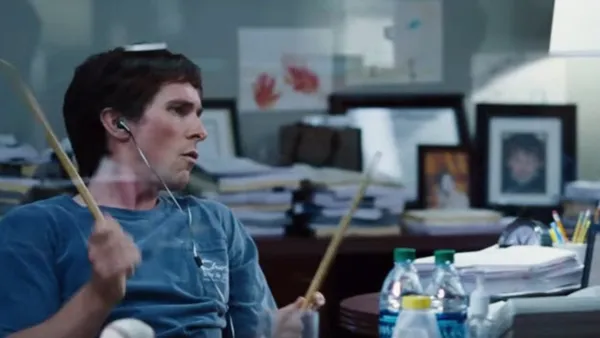
Christmas is traditionally a popular time to open a film, so it’s no surprise that a slew of new releases are hitting the multiplex this week.
Will any of them be able to gain a foothold following last week’s record-breaking debut of Star Wars: The Force Awakens? Let’s hope so, because one of them is among the year’s best: a serious comedy that takes on a complex and controversial topic with the help of big-name stars working at the top of their game.
The Big Short, directed and co-written by Adam McKay (Anchorman), is a based-on-reality examination of the banking and housing “bubble” that triggered 2008’s Great Recession.
This sounds like the kind of dry, complicated subject that’s best handled by a well-documented book—and indeed, the source material is Michael Lewis’s book of the same name. In McKay’s hands, the subject is still complicated, but it’s anything but dry.
Image
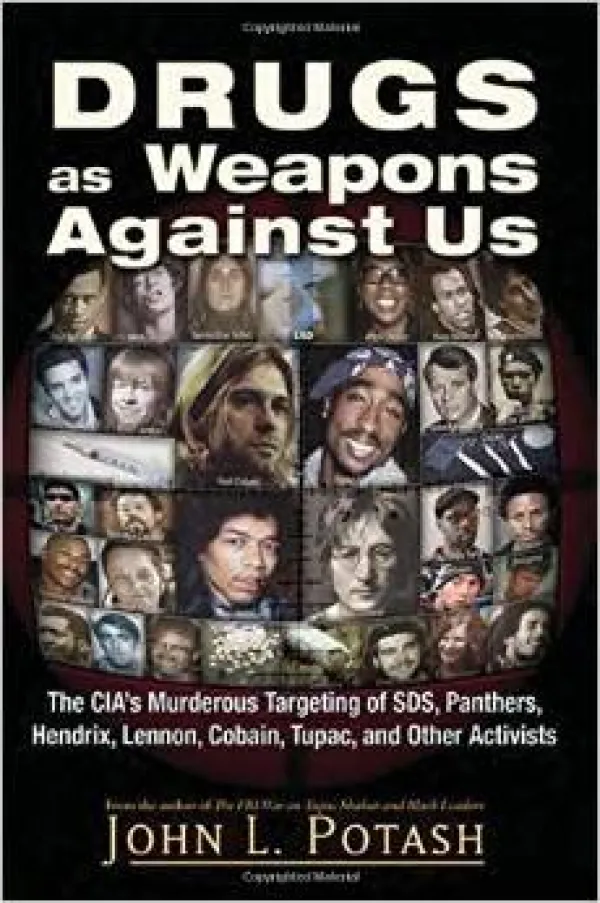
New Movies Allude to CIA’s Use of Drugs Against Protesters, Activist Musicians including Lennon, Hendrix, Rolling Stones, Cobain and Tupac.
Evidence supports that the wealthiest conservative rulers that run our society have continued a covert war on activists with the use of drugs. Recent media releases, from mainstream movies to less widely distributed DVDs, have given us glimpses of the intersection between rock stars, activism and the Central Intelligence Agency’s MK-Ultra Program. These new media releases give glimpses to how MK-Ultra drugs continue to be used as “unconventional warfare” with the battlefield being our streets and homes.
Kill the Messenger and Freeway Ricky Ross on CIA Cocaine Trafficking
Image
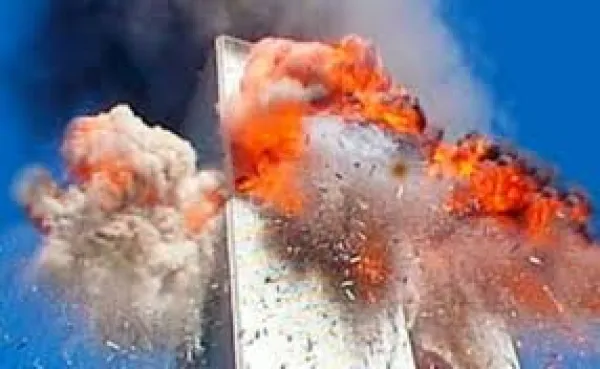
A Facebook post suggested that I read The Eleventh Day:The Full story of 9/11 by respected conspiracy reality author Anthony Summers and Robbyn Swan. I am one of the 35% of Americans who believe that, at a minimum, Vice President Cheney and other neocons in the United States Government allowed a long planned terrorist attack to succeed on 9/11/2001. So I was hopeful that this book would disavow me of that uncomfortable notion, as the FB post suggested.
The first point I should make is that the book did not even try to disavow me of my views. The conclusion is soft with respect to the treatment of conspiracy realities as it is soft on support of the official version.
Image
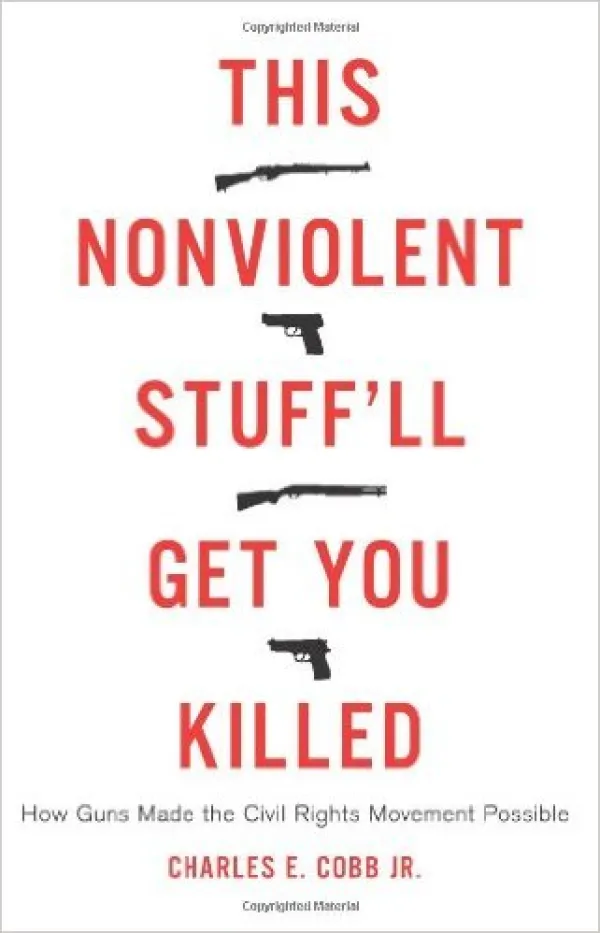
Book Review: This Non-Violent Stuff’ll Get You Killed: How Guns Made The Civil Rights Movement Possible
By Charles E. Cobb, Jr.
Image
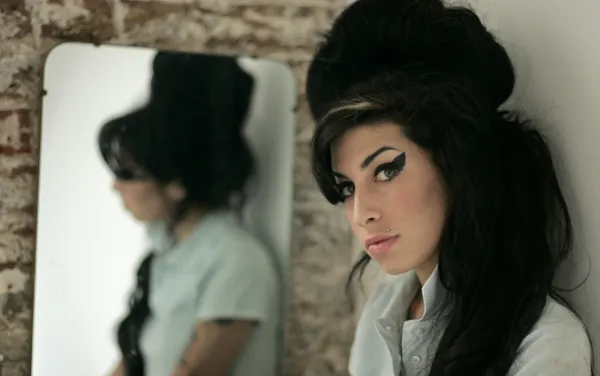
If you ever doubt the importance of good fathering, see Amy.
The documentary is about the sad life of Amy Winehouse (1983-2011), a British singer-songwriter whose name was almost synonymous with “self-destructive genius.” By her own account, she blamed some of her worst tendencies on her father’s failure to be there for her—or her mother, to whom he was unfaithful—when Amy was growing up. Her parents separated when she was only 9.
Of course, good mothering can make up for a father’s absence, but Amy clearly didn’t get that, either. Late in the film, her mother reveals that she learned Amy was bulimic when the girl was 15. So how did Mom respond? Apparently, she didn’t.
Back to the father: As if to make up for his earlier absence, Mitch Winehouse did play a role in Amy’s adult life, but it’s debatable whether he played a good role. At one point, he argued against getting his alcohol- and drug-addicted daughter the rehab treatment she so obviously needed. Later, he seemed more interested in benefiting from her celebrity than in doing what was good for her health and well-being.