The Free Press is bringing back a Reviews section after some absence. We hope to review plenty of events around town. Check back frequently and if what\'s going on is any good.
Arts & Culture
Image

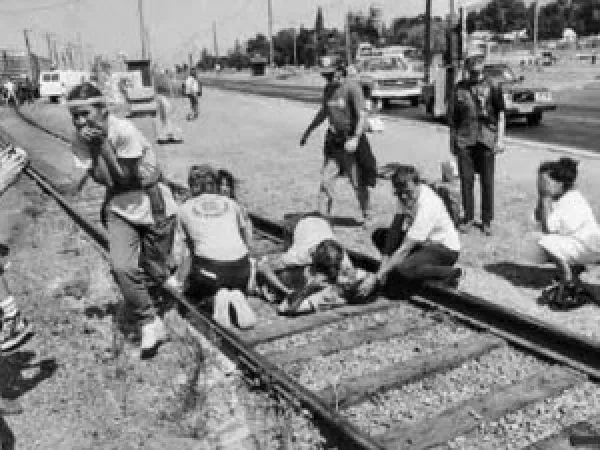
Will Geer’s Theatricum Botanicum’s production of Tom is artistic director Ellen Geer’s adaptation of Harriet Beecher Stowe’s 1851 abolitionist novel Uncle Tom’s Cabin. Geer, who also directed, added post-Civil War scenes depicting Stowe (Melora Marshall), who is still fretting over slavery. These additional 1886 vignettes enable the playwright to presciently ponder the plight of Blacks after the Reconstruction Era, but also in our own times wherein police and vigilante violence, institutionalized racism, the racist Trump candidacy, and more continue to beset and bedevil African Americans. These Stowe sequences, which are stowed away and interwoven into the fabric of the play - which is mostly a dramatization of the original book - also allows Tom to explore feminist issues, particularly the role of women in literature. After all, Stowe was, as Lincoln (perhaps apocryphally) called her, “the little lady who made this great war.”
Image
One of the film capital’s top movie-paloozas, LA Film Festival, has taken place near Culver Studios, where Gone With the Wind’s Atlanta set was burned down and giants like Alfred Hitchcock and Orson Welles made movie history. From June 1-9 LAFF screened scores of Hollywood features, foreign films, indies, shorts and documentaries. For the first time the U.S. State Department co-presented a roundtable discussion of Global Media Makers, featuring filmmakers from Egypt, Jordan, Lebanon Morocco and Turkey.
The filmfest’s more commercial popcorn-munching fare included The Conjuring 2, a horror flick starring Patrick Wilson and Vera Farmiga projected at what had been Grauman’s Chinese Theatre - where stars’ footprints are enshrined in concrete - on Hollywood Boulevard. As their reboots prepared to launch, the original Ghostbusters and Independence Day were shown in Downtown L.A., while 2001’s Shrek was screened at Culver City’s ArcLight Cinemas in Los Angeles, where most Festival movies were presented.
Image
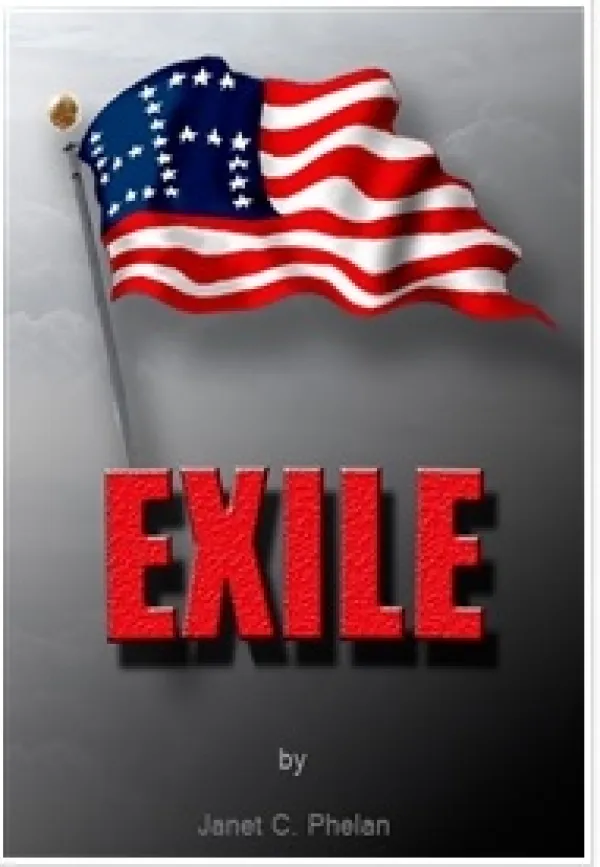
From its opening words of dedication, Janet Phelan’s EXILE hooks the reader with her intuitive grasp of the work’s place in history as she warns those of us awake enough to question the American Dream:
“To the ones who came before, in gratitude And to the ones who will come after, so that you may know the magnitude.”
From this point on Phelan takes the reader on a terrifying early millennium roller-coaster ride through a series of bizarre, seemingly coordinated attacks in some five countries - a ride she barely manages to survive.
Image
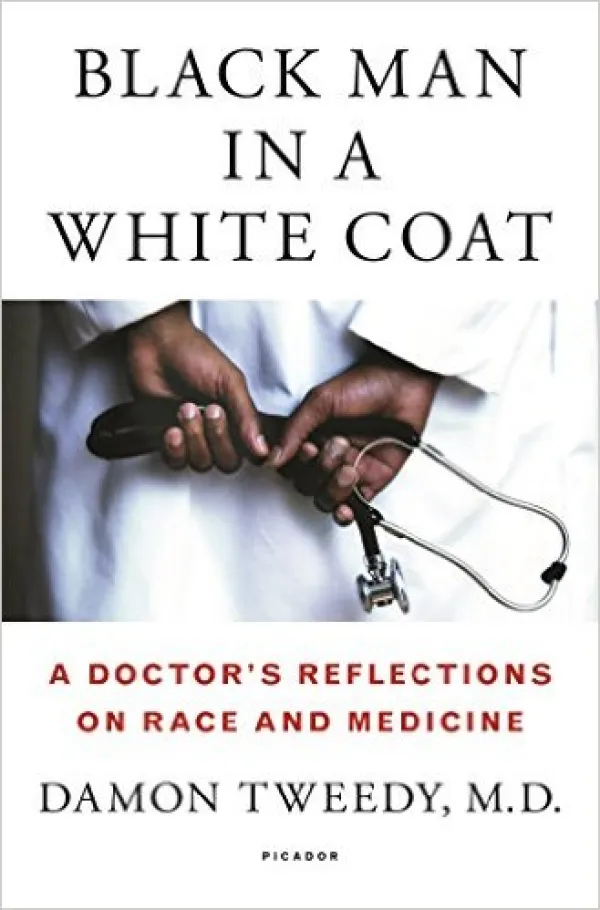
In so many ways, Dr. Damon Tweedy was fortunate. He grew up in an intact home with loving, strict, and steeped-in-the-church parents who were gainfully employed and taught him to aim high. Tweedy’s parents did not even finish high school. His father worked all his life as a butcher in a grocery store; Tweedy’s mother spent forty years working for the federal government. Tweedy also had a great example in his older brother who graduated from college. He had done well in high school and college, but he arrived at Duke University School of Medicine full of apprehension and doubt. Could he cut it? He was from a working class family, attended a middling, state-supported public university, and would be one of a few black scholarship students, recruited in part to diversify the student body, in his classes. His classmates would primarily be middle- and upper-class white students who had attended prominent universities and could afford to be at Duke. Tweedy studied his tail off that first half of the semester. When he received his midterm grades, he was in the top half of all of his classes, and his doubts began to recede.
Image
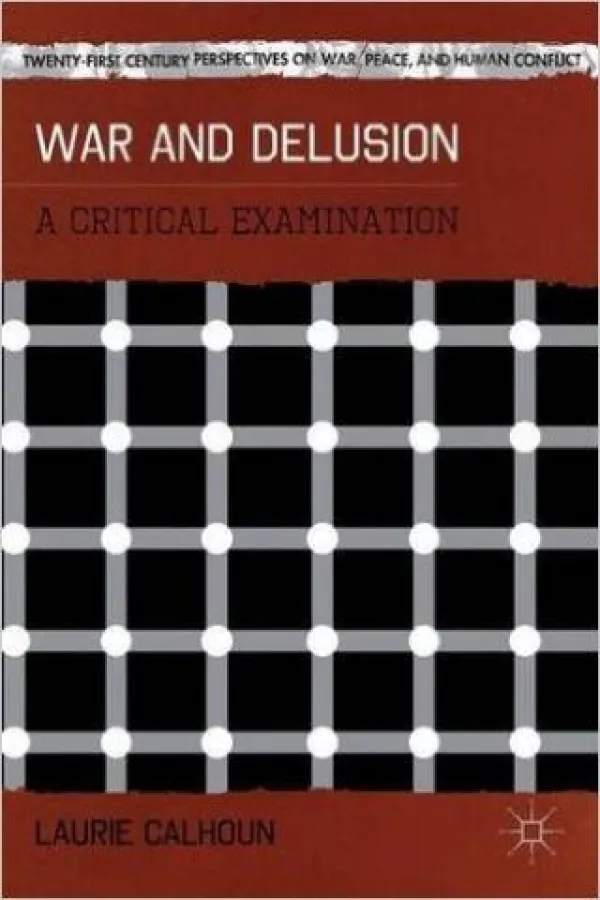
With the Catholic Church, of all things, turning against the doctrine that maintains there can be a "just war," it's worth taking a serious look at the thinking behind this medieval doctrine, originally based in the divine powers of kings, concocted by a saint who actually opposed self-defense but supported slavery and believed killing pagans was good for the pagans -- an anachronistic doctrine that to this day still outlines its key terms in Latin.
Laurie Calhoun's book, War and Delusion: A Critical Examination, casts an honest philosopher's eye on the arguments of the "just war" defenders, taking seriously their every bizarre claim, and carefully explaining how they fall short. Having just found this book, here is my updated list of required reading on war abolition:
Image
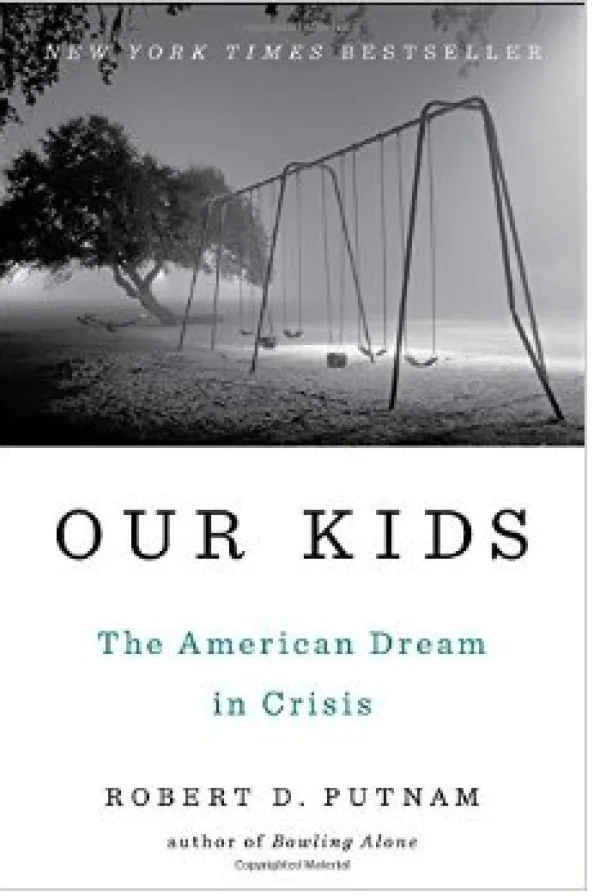
The last time there was a serious discussion about poverty in America was during the presidential campaign of 2008 when former United States Senator John Edwards (D-NC) announced his intention to run for the office from the back yard of a home in New Orleans. The city was still reeling from the impact of Hurricane Katrina in 2005–the natural disaster that made poverty in America visible again. Edwards had been identified as a champion for the poor throughout his legal career during which we successfully represented plaintiffs in seemingly unwinnable cases as they fought large corporations, physicians and others, winning multimillion dollar settlements for his clients. He was also the director of the Center on Poverty, Work and Opportunity at the University of North Carolina Chapel Hill School of Law. During his political career Edwards had proposed that the government should place poor people in middle class neighborhoods through the use of one million housing vouchers. The idea went nowhere, and once again, poverty fell off America’s agenda.
Image

A new film called Dear President Obama that is narrated by Mark Ruffalo begins very gently, sympathizing with President Obama's supposed need to please his funders and corporate lobbyists.
Image
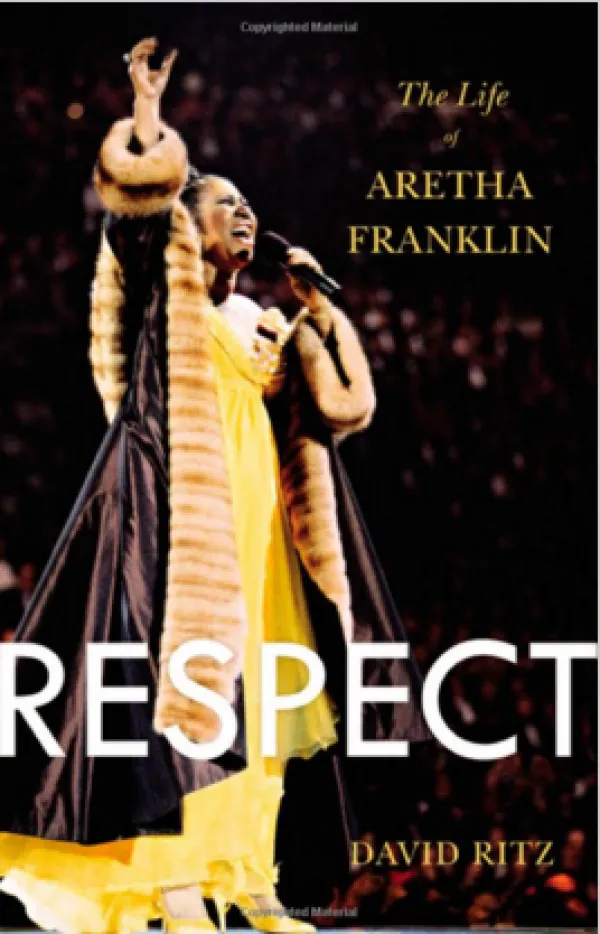
I was well into my thirties before I learned that Otis Redding wrote and recorded Respect in 1965. As far as I–and probably many others–knew, Respect belonged to Aretha. Even Redding said so, and it took a bad ass singer to best Otis Redding. Respect was Aretha’s first number one hit and it marked her debut as the undisputed Queen of Soul.
A lot of ink has been spilled trying to tell the story of this complex woman. David Ritz is the goto collaborator for those in the music business who wish to have their lives and careers rendered in book form. Ritz worked with Aretha on her 1999 bio Aretha: From These Roots.
Image

If the recent spate of anti-drone movies and plays was making you feel warm thoughts about U.S. culture, you'll want to avoid seeing "Eye in the Sky," starring Helen Mirren, Alan Rickman, and Aaron Paul. This is what "Zero Dark Thirty" was for torture lies. This is what "The Interview" was for hatred of North Korea. The Director of "Eye in the Sky," Gavin Hood, openly brags about having had military advisors on this film, just as those films had their government advisors. And it shows.
"I'll bet the military loves this film," I told Hood after a screening in Washington, D.C., on Monday. He claimed that some loved it, some liked it, both in the military and in some human rights groups that I won't name because I doubt very much Hood's implication that at least one of them didn't condemn this piece of propaganda.