
The Free Press is bringing back a Reviews section after some absence. We hope to review plenty of events around town. Check back frequently and if what\'s going on is any good.
Arts & Culture
Image
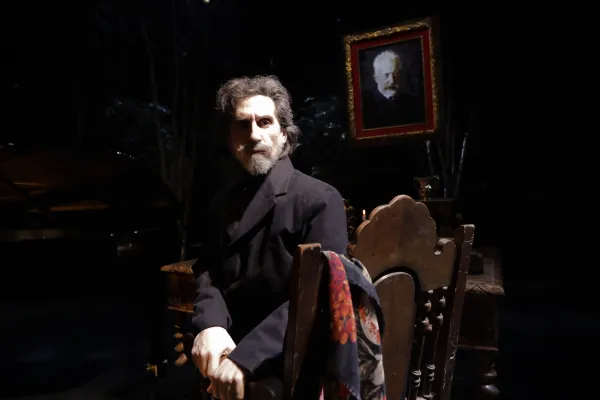
Actor/playwright/musician Hershey Felder’s stock in trade is a musicalized (uh, is that a word? If not, it is now) version of the one-man show. This triple threat dazzles audiences with his live depictions of musicians to the accompaniment of his own virtuoso piano playing. But Felder’s plays are far more than being solely solo concerts. Felder not only regales theatergoers with the sounds of talents such as George Gershwin, but engages auds with his vivid portrayals of the artists, unfolding their private and public lives.
Image

Ojibwe Nation tribal member Winona LaDuke - Ralph Nader’s vice presidential candidate on the Green Party ticket in 2000 - appeared Feb. 23 at the 4th Native Women in Film Film Festival, where an anti-pipeline documentary about LaDuke world premiered. Another indigenous rights movement notable - Pearl Means, widow of American Indian Movement leader Russell Means - flew in from North Dakota to co-present the documentary she executive produced, End of the Line: The Women of Standing Rock at the filmfest at Laemmle’s Monica Film Center in Santa Monica, California.
Image
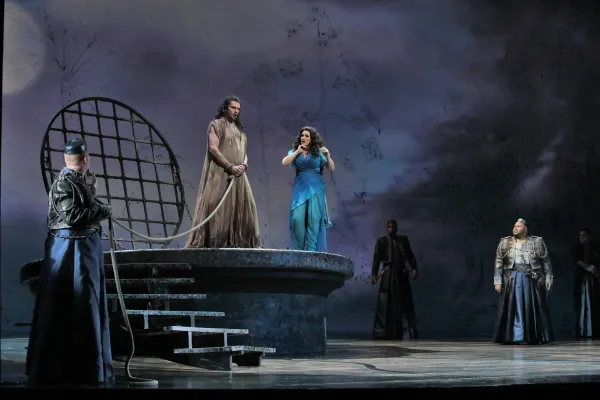
The performances and much of the music in Richard Strauss’ Salome are the most melodramatic of any opera I’ve ever experienced. But this is to be expected since, as that old expression goes, “consider the source”: The New Testament. However, as with Mel Gibson’s dark, despicably dreary, sadistic 2004 The Passion of the Christ, the operatic version of John the Baptist’s (Icelandic baritone Tomas Tomasson plays the prophet called here Jochanaan) disastrous encounter with Salome (New Hampshire soprano Patricia Racette) is derived from brief Biblical passages.
Image
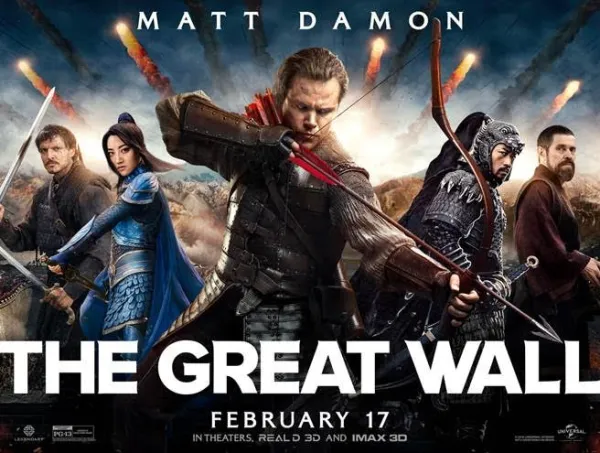
Aside from some stunning cinematography, special effects and scenery, this U.S.-China co-production lensed, according to IMDB.com, on location in Qinqdao and New Zealand (!) is more about cashing in on the growing international audience of the PRC and USA. The use of Real 3D and IMAX 3D is what The Great Wall is really all about - not a story or, heavens’ forbid, character development - although to be sure, there is a hidden propagandistic message about Beijing’s military might and policies. Put your brains into neutral and the 3D glasses on to watch this vapid but eye-popping big budget picture which, at $135-150 million USD, is reportedly the most expensive movie ever made in what had once upon a time been the People’s Republic of China.
Image
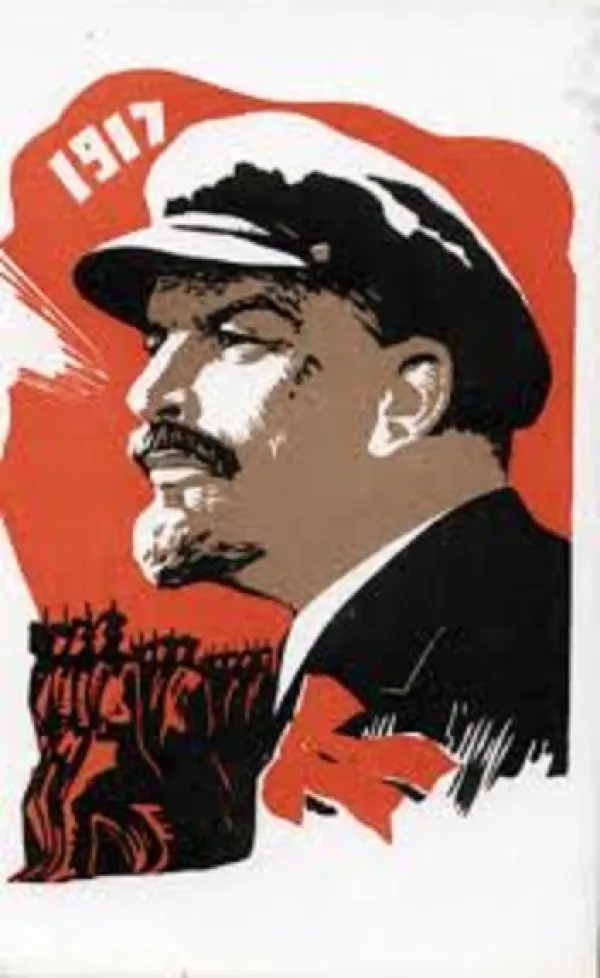
In 2017, what better way is there to celebrate the 100th anniversary of the Russian Revolution than by screening the movies those momentous events inspired? For the next 10 months, the L.A. Workers Center and HollywoodProgressive.com are co-presenting a monthly series of classics by the giants of early Soviet cinema: Sergei Eisenstein, V.I. Pudovkin, Alexander Dovzhenko, Dziga Vertov and Esther Shub. The monthly film series called “Ten Films That Shook the World” screens features and documentaries about Russia’s Revolutions in 1905 and in February and October 1917, culminates November 7th on the exact 100th anniversary of the storming of the Winter Palace.
The Soviet cinema of the 1920s and early 1930s arguably produced the greatest political films ever made. Indeed, as a cinematic trend these Red Russian reels are among moviedom’s leading trends and movements, such as German Expressionism, the French New Wave, Italian Neo-Realism, Hollywood’s Golden Age, etc. The fiction and nonfiction motion pictures screened in the “Ten Films That Shook the World” series are among the finest works of art created in all human history.
Image
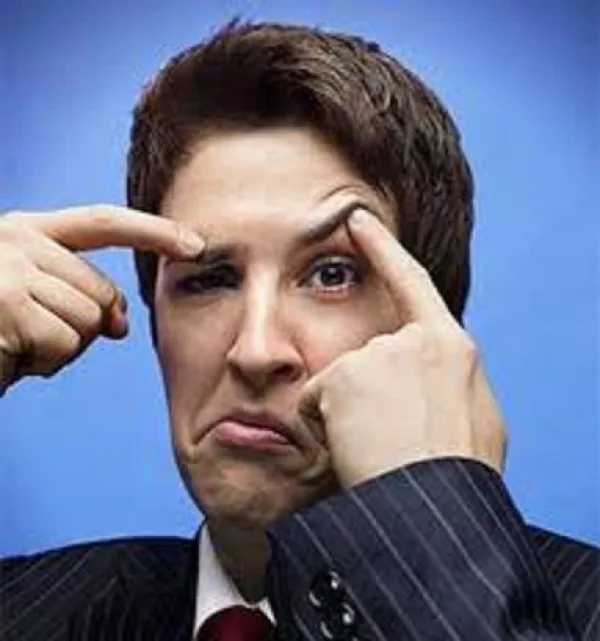
When Rachel Maddow finished a 26-minute monologue that spanned two segments on her MSNBC program last Thursday night, her grave tones indicated that she thought she’d just delivered a whale of a story. But actually it was more like minnow -- and a specious one at that.
Convoluted and labored, Maddow’s narrative tried to make major hay out of a report from Moscow that a high-ranking Russian intelligence official had been dragged out of a meeting, arrested and charged with treason. Weirdly, Maddow kept presenting that barebones story as verification that Russia’s President Vladimir Putin had directly ordered the hacking and release of Democratic campaign emails in order to get Donald Trump elected president.
It was a free-associating performance worthy of Glenn Beck at a whiteboard. Maddow swirled together an array of facts, possible facts, dubious assertions and pure speculation to arrive at conclusions that were based on little more than her zeal to portray Trump as a tool of the Kremlin. Even when sober, Joe McCarthy never did it better.
Image
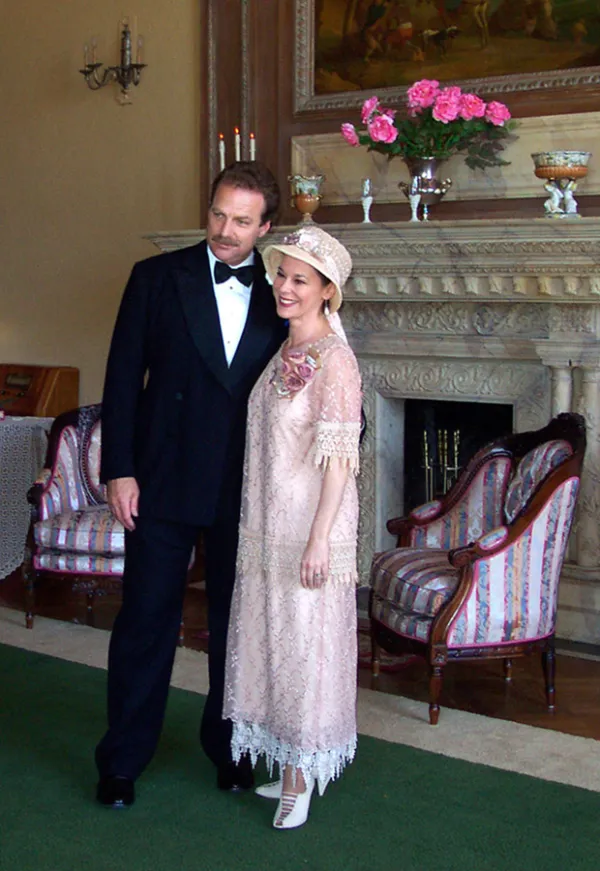
As a critic of the live stage, I usually make it a point to comment upon the sets. For example, in my review of Theatre 40’s recent production of John Morogiello’s The Consul, The Tramp and America’s Sweetheart, I noted that the location where the onstage action takes place - actress/movie mogul Mary Pickford’s (Melanie Chartoff) Hollywood office at the United Artists Studio - was “well-rendered by set designer Jeff G. Rack.”
Image

With its theme of inconsolable grief and how to cope with it, director David Frankel’s (Marley & Me, The Devil Wears Prada) Collateral Beauty has the kind of story one usually experiences in low budget indies by filmmakers such as Jim Jarmusch. But this is a New Line Cinema, Village Roadshow Pictures, et al, feature being distributed by Warner Bros. with an A-list cast, written by Allan Loeb (the similarly-themed Things We Lost in the Fire, Wall Street: Money Never Sleeps), a screenwriter who “doggedly pursues and creates unique, character-driven films… grounded in authentic emotion, poignant honesty, and a deep sense of humanity,” according to press notes.
Image
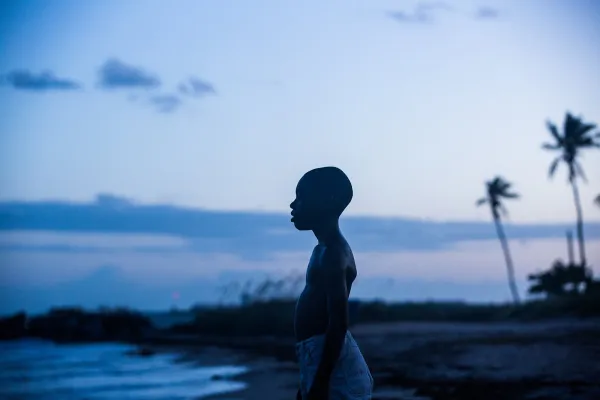
If I told you Moonlight is about an African-American boy growing up in a world of drugs and poverty, you’d probably begin to form an image of the film in your mind. And that image probably would be wrong.
Director/screenwriter Barry Jenkins has put together a movie so sensitive, so lyrical and so different from anything we’ve seen that there’s no way to avoid being taken by surprise.
Moonlight tells the sad tale of Chiron, a boy growing up in a scruffy neighborhood of Miami. Divided into three chapters, the film follows him into high school and finally into adulthood. At all three stages of his life, he struggles with loneliness brought on by his own—and other people’s—inability to accept him for who he is.
As a boy, Chiron (Alex R. Hibbert) is nicknamed Little due to his small size and is constantly bullied for being somehow different from the other boys. A sympathetic classmate named Kevin (Jaden Piner) advises him to stick up for himself, but Chiron’s mother, Paula (Naomie Harris), is too consumed by her drug habit to pay attention to his needs.
Image

Some of the most misguided questions ever conceived by the human brain take the form of "But how do you use nonviolence against . . . ?"
For example, fill in the blank with ISIS. How do you use nonviolence against ISIS?
Now you're supposed to picture yourself with a knife at your throat trying to resist it nonviolently. Then you're supposed to burst into a fit of laughter.
But how would you resist that knife violently? A superhuman feat of martial arts seems at least as unlikely to work as speaking.