
Peace
Four weeks into Donald Trump’s presidency, New York Times columnist Paul Krugman wrote that “nothing he has done since the inauguration allays fears that he is in effect a Putin puppet.” The liberal pundit concluded with a matter-of-fact reference to “the Trump-Putin axis.”
“This is not a way of life at all, in any true sense. Under the cloud of threatening war, it is humanity hanging from a cross of iron.”
Dwight Eisenhower gave the world some extraordinary rhetoric — indeed, his words have the sting of ironic shrapnel, considering how little they have influenced the direction of the country and the world in the last six decades.
“These plain and cruel truths define the peril and point the hope that come with this spring of 1953,” he told the American Society of Newspaper Editors nearly 64 years ago. “This is one of those times in the affairs of nations when the gravest choices must be made, if there is to be a turning toward a just and lasting peace. It is a moment that calls upon the governments of the world to speak their intentions with simplicity and with honesty. It calls upon them to answer the question that stirs the hearts of all sane men: Is there no other way the world may live?”
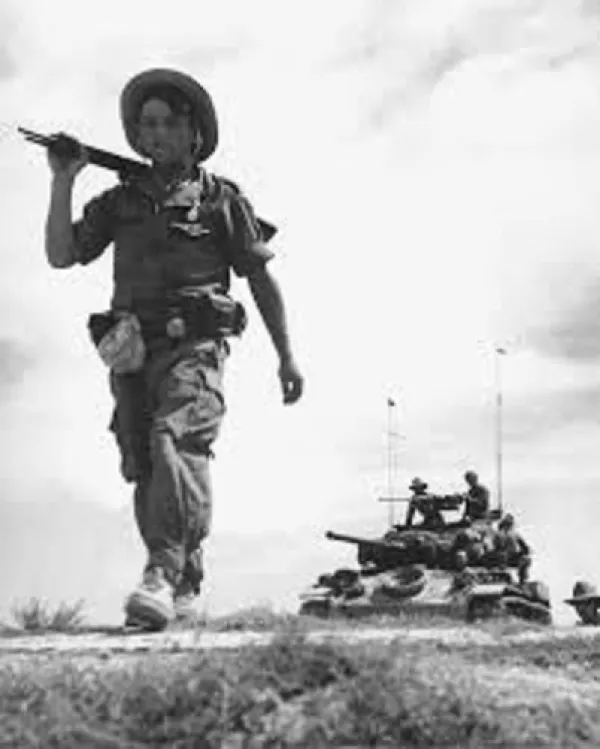
When it comes to understanding wars, for some people, a picture of the dead or of the injured or of the traumatized or of those made refugees can be worth ten million words. And, for at least some of us, a picture of where war is in the world can be worth at least a thousand.
The idea has been floated and endlessly reintroduced in legislation since the founding of the United States of creating a Department of Peace. These efforts even resulted in 1986 in the creation of the USI”P” — the U.S.
You might be forgiven for imagining that laws are serious things. When you violate them, you can be locked in a cage for decades. That’s not true for big-time weapons dealers like the U.S. government.
Today, Pope Francis released the annual World Day of Peace Message for January 1, 2017, called “Nonviolence—A Style of Politics for Peace.” This is the Vatican’s fiftieth World Day of Peace message, but it’s the first statement on nonviolence, in the tradition of Mahatma Gandhi and Dr. Martin Luther King, Jr.—in history.
We need to make “active nonviolence our way of life,” Francis writes at the start, and suggests nonviolence become our new style of politics. “I ask God to help all of us to cultivate nonviolence in our most personal thoughts and values,” Francis writes. “May charity and nonviolence govern how we treat each other as individuals, within society and in international life. When victims of violence are able to resist the temptation to retaliate, they become the most credible promotors of nonviolent peacemaking. In the most local and ordinary situations and in the international order, may nonviolence become the hallmark of our decisions, our relationships and our actions, and indeed of political life in all its forms.”
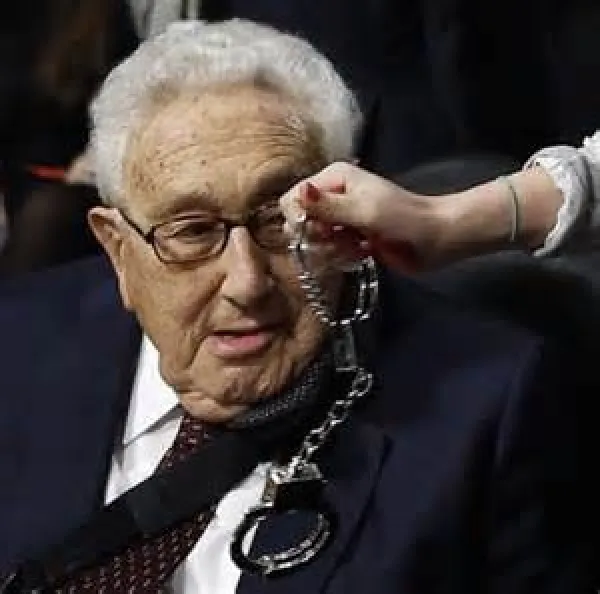
10 Reasons This Year's Nobel Peace Prize Events Will Feature Henry Kissinger
By David Swansonhttp://davidswanson.org/node/5362
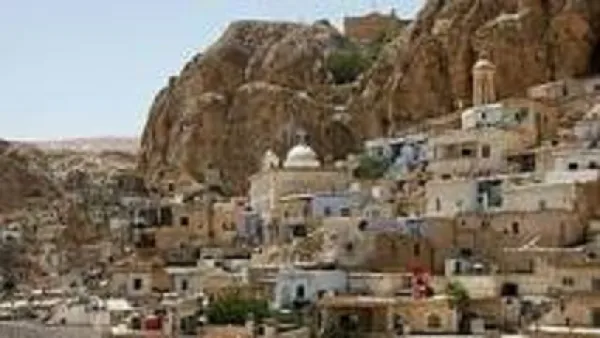
In early 2011, as the Arab Spring was moving across North Africa and the Middle East, small groups of nonviolent activists in Syria, which has been under martial law since 1963, started protesting against the brutal dictatorship of Bashar al-Assad and demanding democratic reforms, the release of political prisoners, an increase in freedoms, abolition of the emergency law and an end to corruption.
By mid-March these protests, particularly in cities such as Damascus, Aleppo and Daraa, had escalated and the 'Day of Rage' protest on 15 March 2011 is considered by many to mark the start of the nationwide uprising against the Assad dictatorship. The dictatorship's reaction to the protests became violent on 16 March and on 18 March, after Friday prayers, activists gathered at the al-Omari Mosque in Daraa were attacked by security forces with water cannons and tear gas, followed by live fire; four nonviolent activists were killed.