
THE G-20 IN PITTSBURGH
by Tom Over 9-23-09
<br><br>
On Tuesday, Sept 22, activists from Philadelphia, New York City, Pittsburgh and other cities held a mock funeral procession to demand better policies for addressing the AIDS pandemic, a day ahead of the arrival of delegates for the G-20.
<br><br>
The approximately 50 participants in the New Orleans-style funeral march drew a mix of interest, irritation, and amusement from onlookers in the business district of downtown Pittsburgh.
<br><br>
At the head of the funeral march where pallbearers carried a cardboard coffin, a man shouted into a microphone while someone else carried a portable amplifier, “when people with AIDS are under attack, what do we do ?” and marchers shouted in unison, “fight back!”
<br><br>
Amidst the early afternoon bustle of an weekday, the demonstrators repeated this call-and-answer and similar chants as the funeral march made its way around the perimeter of the David L. Lawrence Convention Center, the site of the G-20 Summit later this week.
<br><br>
Erica Goldberg works with ACT UP Philadelphia. She said global health is not on the agenda of the G-20 Summit.
“One of the things that some of the G-20 nations have promised us is funding for the global fund to fight, TB, malaria, and HIV/AIDS. This is all really important, especially if we want to meet the United Nations’ Millennium goal of eradicating these diseases by 2015. As of right now, this won’t be met. We have to hold our leaders accountable. They are the ones making decisions for the poorer countries,” Goldberg said.
<br><br>
She commented on the timing of the demonstration. “We wanted this to be the first thing they (the G-20 delegates) see. They’re coming here tomorrow. We’re holding them accountable. This needs to be on the agenda.”
<br><br>
She said AIDS activists chose Sept 22, two days before the official start of the G-20 Summit, and one day before the arrival of the delegates, so as to not have to compete with other protests. Also, she said the AIDS activists figured there would be less of a chance of conflict with police if they staged their protest earlier in the week.
<br><br>
“We hope that this will hit the papers tomorrow, that it’s the first thing they see when they walk in, that they have this on their conscience and know we’re not going away,” Goldberg said. She urges people to contact legislators about supporting the Global Fund to Fight AIDS, Tuberculosis, and Malaria.
“President Obama, as much as I love him, went back on his promise to fulfill the funding,” Goldberg said.
<br><br>
She commented on how drug companies factor into all of this. “ Medication does not need to be this expensive. They can definitely lower their prices. We have big drug interests lobbying to prevent AIDS medication from getting” to developing nations.
<br><br>
Goldberg said debt cancellation for developing nations is a factor that comes into play.
“When you don’t cancel debts of nations and they have to pay back loans to the IMF and the World Bank, they won’t have the funds necessary for getting AIDS medication, or they might get the medication but can’t pay the health professional because of their debt.
<br><br>
She said vested interested motivated by huge profits stand in the way of doing a better job of addressing tuberculosis, malaria, and HIV/AIDS. “We have the power, the ability, and the medication.”
World News
Israel’s balancing act in the Russia-Ukraine war is likely to falter soon, simply because the resulting NATO-Russia conflict is expected to last for years, not weeks or months. Eventually, Israel would have to make a choice. Alas, whatever that choice may be, Israel will stand to lose.

Israel’s balancing act in the Russia-Ukraine war is likely to falter soon, simply because the resulting NATO-Russia conflict is expected to last for years, not weeks or months. Eventually, Israel would have to make a choice. Alas, whatever that choice may be, Israel will stand to lose.
From the first day of the war, Israel somehow became involved. Top Israeli officials, including the country’s Prime Minister Naftali Bennett, began calling their Ukrainian and Russian counterparts. Initially, some in the media surmised that Israel is concerned because of the large Jewish populations in both Ukraine and Russia.
“We are anonymous because we fear retaliation.” This sentence was part of a letter signed by 500 Google employees last October, in which they decried their company’s direct support for the Israeli government and military.
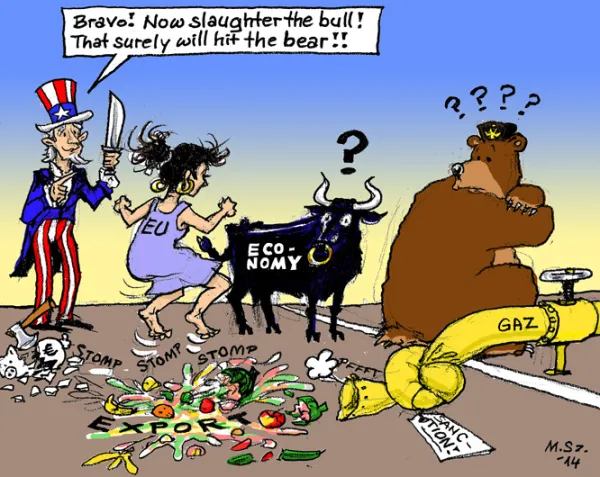
How the tables have turned. A high-level US delegation visited Venezuela on March 5, hoping to repair economic ties with Caracas. Venezuela, one of the world’s poorest countries partly due to US-Western sanctions is, for once, in the driving seat, capable of alleviating an impending US energy crisis if dialogue with Washington continues to move forward.
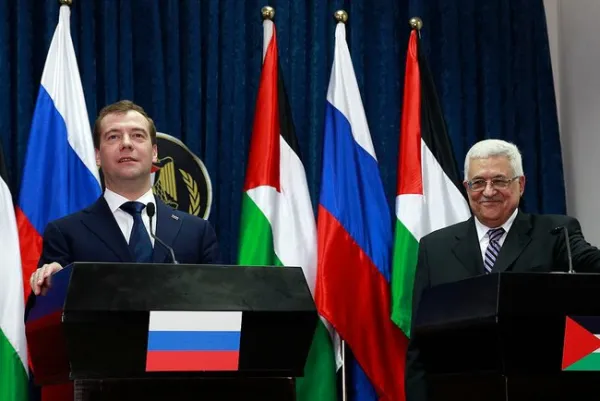
A new global geopolitical game is in formation, and the Middle East, as is often the case, will be directly impacted by it in terms of possible new alliances and resulting power paradigms. While it is too early to fully appreciate the impact of the ongoing Russia-Ukraine war on the region, it is obvious that some countries are placed in relatively comfortable positions in terms of leveraging their strong economies, strategic location and political influence. Others, especially non-state actors, like the Palestinians, are in an unenviable position.
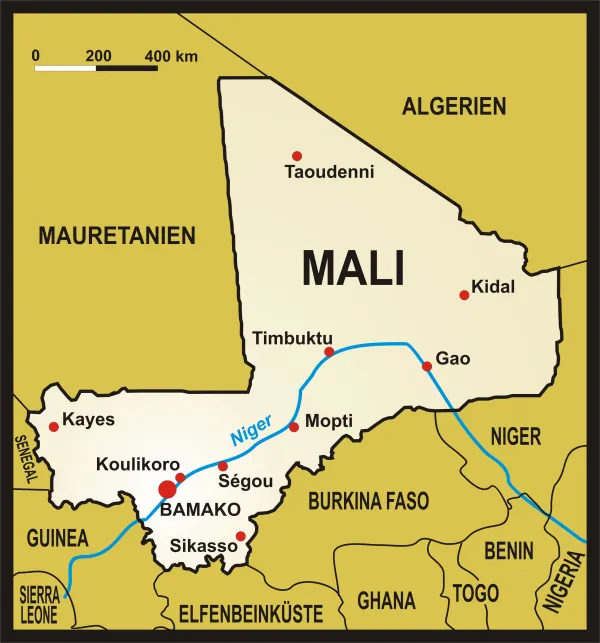
Finally, France will be leaving Mali, nearly a decade after the original military intervention in 2013. The repercussions of this decision will hardly be confined to this West African nation, but will likely spread to the entirety of the Sahel Region; in fact, the whole of Africa.

BANGKOK, Thailand -- More than 30 years after a Thai janitor stole a blue diamond from Saudi royals and the murder of four Saudi diplomats, Riyadh has agreed to stop punishing Bangkok with financial sanctions which cost billions of dollars in lost trade, tourism, and jobs.
Greed, sleaze, betrayal and bloodshed over the still-missing blue diamond and the four unsolved murder cases, resulted in Saudi Arabia's expulsion of more than 200,000 Thai workers, a ban on Saudi tourists traveling to Thailand, and a drop in imports and exports between the two countries.
Thai Prime Minister Prayuth Chan-ocha's surprisingly successful meeting with Saudi Crown Prince Mohammad bin Salman at Al Yamamah Palace in Riyadh on Jan. 25 suddenly changed all that.
Relations now "must be better than the last 32 years," Prime Minister Prayuth said.
"Both countries have agreed to fully restore diplomatic ties, including the appointment of ambassadors."
A joint Saudi-Thai statement said Mr. Prayuth "expressed his sincere regrets for the tragic cases that took place in Thailand between 1989-1990."
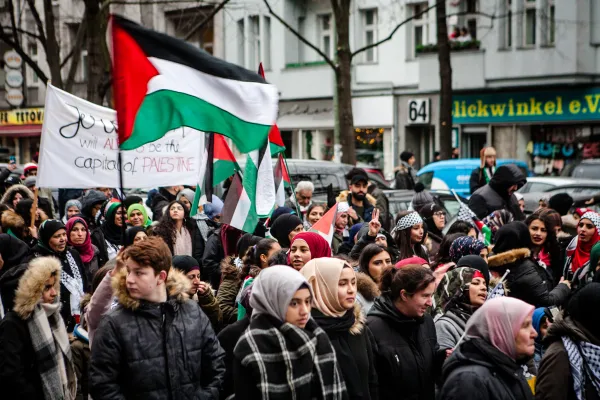
Can Israel be pressured? Or is Tel Aviv the only exception to the global political order in which every country, big or small, is subjected to pressures and subsequent change in attitude and behavior?
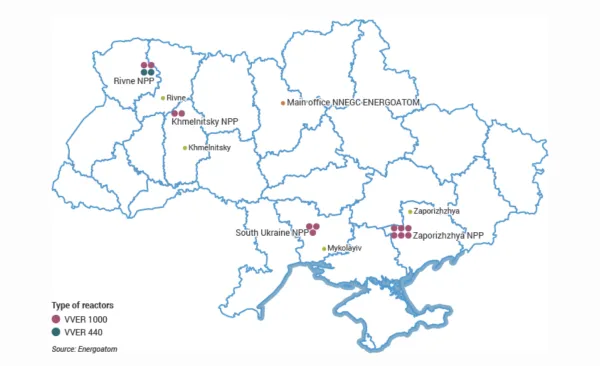
Podcast here: https://kpfa.org/episode/flashpoints-february-23-2022
With Special Guests: Linda Pentz Gunter, Joseph Mangano, Myla Reson
Also see Harvey's Article: Nuke Power at the Brink of Bankruptcy, War, Apocalypse
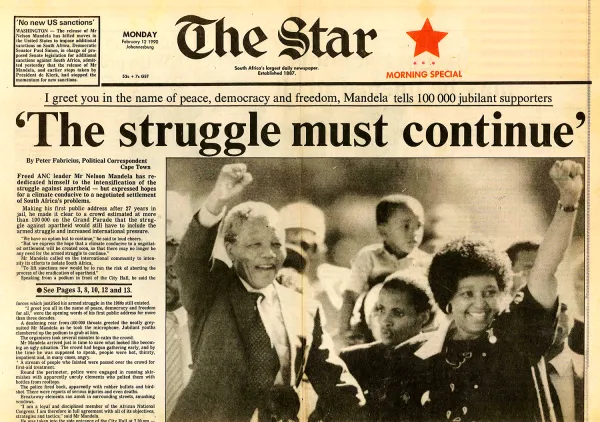
When Nelson Mandela was freed from his Robben Island prison on February 11, 1991, my family, friends and neighbors followed the event with keen interest as they gathered in the living room of my old home in the Nuseirat Refugee Camp in the Gaza Strip.