
THE G-20 IN PITTSBURGH
by Tom Over 9-23-09
<br><br>
On Tuesday, Sept 22, activists from Philadelphia, New York City, Pittsburgh and other cities held a mock funeral procession to demand better policies for addressing the AIDS pandemic, a day ahead of the arrival of delegates for the G-20.
<br><br>
The approximately 50 participants in the New Orleans-style funeral march drew a mix of interest, irritation, and amusement from onlookers in the business district of downtown Pittsburgh.
<br><br>
At the head of the funeral march where pallbearers carried a cardboard coffin, a man shouted into a microphone while someone else carried a portable amplifier, “when people with AIDS are under attack, what do we do ?” and marchers shouted in unison, “fight back!”
<br><br>
Amidst the early afternoon bustle of an weekday, the demonstrators repeated this call-and-answer and similar chants as the funeral march made its way around the perimeter of the David L. Lawrence Convention Center, the site of the G-20 Summit later this week.
<br><br>
Erica Goldberg works with ACT UP Philadelphia. She said global health is not on the agenda of the G-20 Summit.
“One of the things that some of the G-20 nations have promised us is funding for the global fund to fight, TB, malaria, and HIV/AIDS. This is all really important, especially if we want to meet the United Nations’ Millennium goal of eradicating these diseases by 2015. As of right now, this won’t be met. We have to hold our leaders accountable. They are the ones making decisions for the poorer countries,” Goldberg said.
<br><br>
She commented on the timing of the demonstration. “We wanted this to be the first thing they (the G-20 delegates) see. They’re coming here tomorrow. We’re holding them accountable. This needs to be on the agenda.”
<br><br>
She said AIDS activists chose Sept 22, two days before the official start of the G-20 Summit, and one day before the arrival of the delegates, so as to not have to compete with other protests. Also, she said the AIDS activists figured there would be less of a chance of conflict with police if they staged their protest earlier in the week.
<br><br>
“We hope that this will hit the papers tomorrow, that it’s the first thing they see when they walk in, that they have this on their conscience and know we’re not going away,” Goldberg said. She urges people to contact legislators about supporting the Global Fund to Fight AIDS, Tuberculosis, and Malaria.
“President Obama, as much as I love him, went back on his promise to fulfill the funding,” Goldberg said.
<br><br>
She commented on how drug companies factor into all of this. “ Medication does not need to be this expensive. They can definitely lower their prices. We have big drug interests lobbying to prevent AIDS medication from getting” to developing nations.
<br><br>
Goldberg said debt cancellation for developing nations is a factor that comes into play.
“When you don’t cancel debts of nations and they have to pay back loans to the IMF and the World Bank, they won’t have the funds necessary for getting AIDS medication, or they might get the medication but can’t pay the health professional because of their debt.
<br><br>
She said vested interested motivated by huge profits stand in the way of doing a better job of addressing tuberculosis, malaria, and HIV/AIDS. “We have the power, the ability, and the medication.”
World News
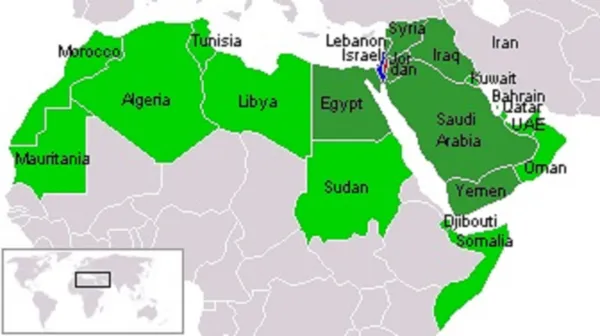
The current split in the African Union (AU) over Israel’s Observer membership status is emblematic of a larger conflict that could potentially split the African continent’s largest political institutions.
Africa is currently facing one of its most crucial decisions regarding Palestine and Israel. The repercussions of this decision could be as significant as the 1975 Resolution 77 (XII) by the Organization of African Unity – the precursor to the African Union – which recognized Zionism, Israel’s founding ideology, as a form of racism. This time around, however, it is Palestine, not Israel, that stands to lose.
BANGKOK, Thailand -- Hun Manet, trained by the U.S. Military Academy at West Point, may become Cambodia's next leader after his pro-China father Cambodian Prime Minister Hun Sen recently anointed him, prompting scrutiny about how the heir apparent would deal with Washington and Beijing.
Prime Minister Hun Sen, 69, is often scathing in his criticism of the U.S. He favors China's deepening economic and strategic relationship with Cambodia which is bordered by Thailand, Laos, and Vietnam, and opens toward the South China Sea where the U.S. and Beijing compete for access.
"Cambodia is far too deep in with China to be able to rebalance quickly," if Hun Manet becomes prime minister, said Sophal Ear, an Arizona State University associate dean and professor for global development who co-authored the book, "The Hungry Dragon: How China's Resource Quest Is Reshaping the World."
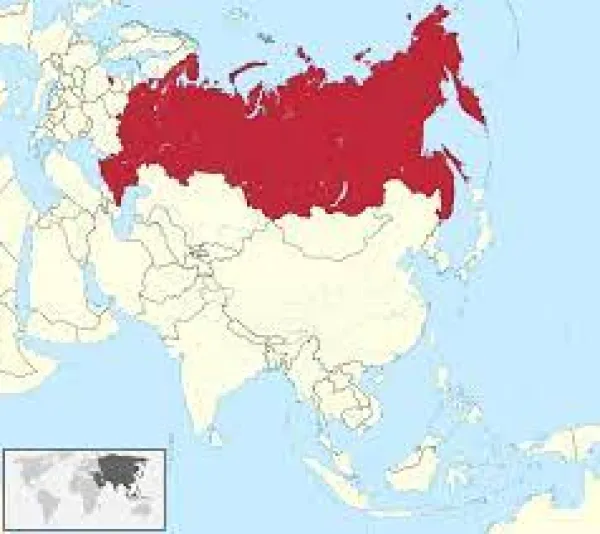
As soon as Moscow received an American response to its security demands in Ukraine, it answered indirectly by announcing greater military integration between it and three South American countries, Nicaragua, Venezuela and Cuba.
Washington's response, on January 26, to Russia’s demands of withdrawing NATO forces from Eastern Europe and ending talks about a possible Kyiv membership in the US-led alliance, was noncommittal.
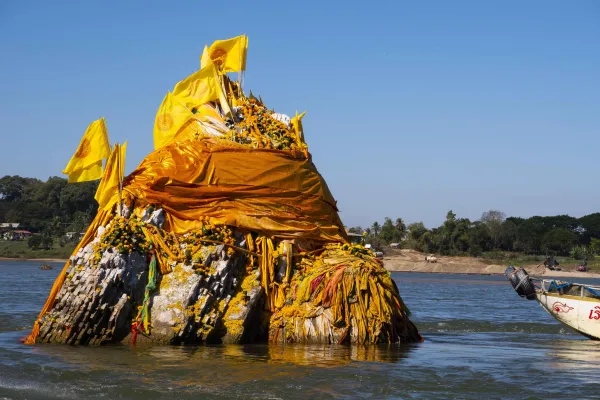
NONG KHAI, Thailand -- You can see China's inexorable southern thrust along the Mekong River where tall, fanciful, Chinese buildings sprout nearby on the Laos side of this sleepy northern border, sparking hopes and fears about Beijing's influence and intent in Thailand.
The Central Intelligence Agency (CIA) chief's recent visit to Bangkok amid a flurry of lucrative U.S. military and business deals, may lure Thailand to favor the U.S. and not China in the future, but the rivalry is heating up.
"Thailand has been leaning toward China, and away from the U.S., for two decades," said Benjamin Zawacki, Bangkok-based American author of "Thailand: Shifting Ground Between the U.S. and a Rising China."
"In the military sphere, relations with the U.S. are arguably still deeper, but the gap is closing swiftly," Mr. Zawacki said in an interview.
Many Thais celebrate Chinese ancestry which dates back more than 700 years, in contrast to the persecution they suffered in Thailand during U.S.-led anti-communist purges in the mid-20th century.
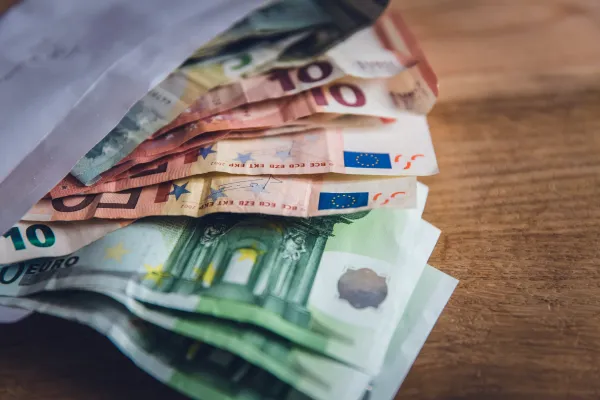
Former Israeli Prime Minister, Benjamin Netanyahu, and his prosecutors are reportedly finalizing the details of a plea deal that would practically water down, shelve, or drop altogether all three major corruption cases that have led to his high-profile trial in May 2020. If such news actualizes, Israel would officially sink to a new low in terms of political nepotism and corruption.
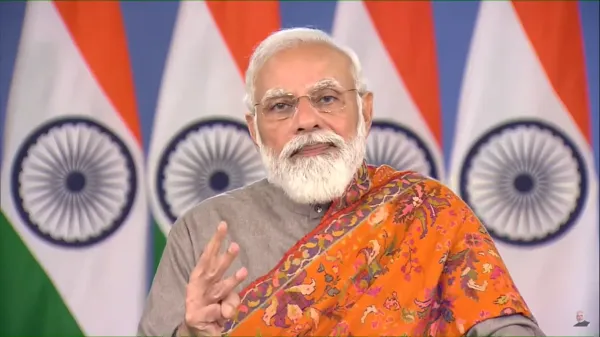
On November 19, one of the world’s largest and longest protests achieved a major victory—farmers in North India woke up to Prime Minister Modi apologizing to them and asserting his intention to repeal the three farm laws they have been opposing. Despite Modi’s sudden declaration, farmers initially stood their ground on the outskirts of the capital of New Delhi. Americans should continue to support their movement because it is not over.
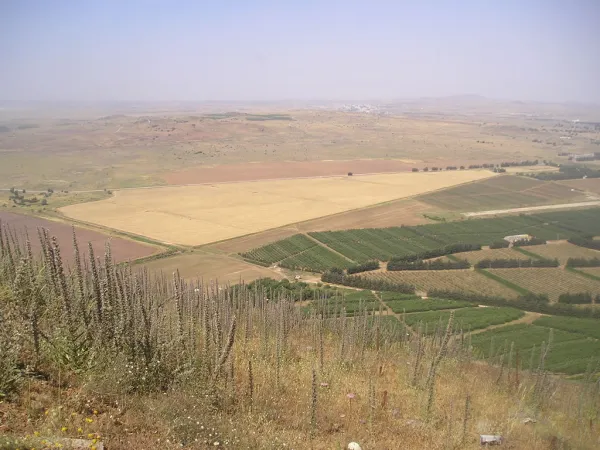
With Syria still embroiled in its own war, Israel has been actively rewriting the rule book regarding its conduct in this Arab country. Gone are the days of a potential return of the illegally occupied Golan Heights to Syrian sovereignty in exchange for peace, per the language of yesteryears. Now, Israel is set to double its illegal Jewish settler population in the Golan, while Israeli bombs continue to drop with a much higher frequency on various Syrian targets.
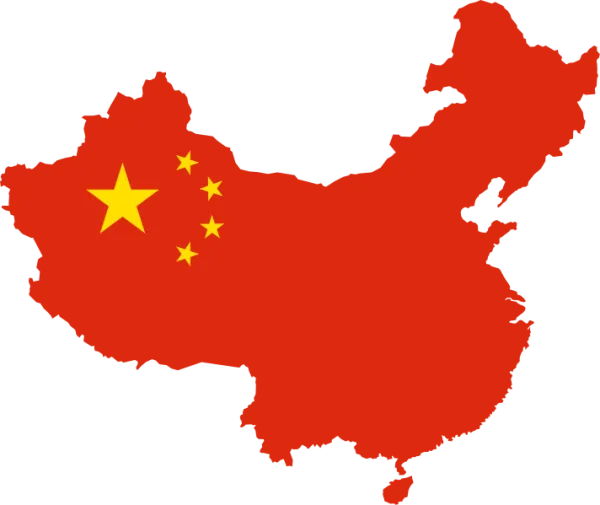
An article by Gideon Rachman in the Financial Times last July is a prime example of western intelligentsia’s limited understanding of China’s unhindered rise as a superpower. “Becoming a superpower is a complicated business. It poses a series of connected questions about capabilities, intentions and will,” Rachman wrote.
To help us understand what this claim precisely means, the FT writer uses an analogy. “To use a sporting analogy, you can be an extremely gifted tennis player and genuinely want to be world champion, but still be unwilling to make the sacrifices to turn the dream into reality.”
At least, in Rachman’s thinking, China is capable of being a political actor, though it remains incapable of vying for the superpower status, as it supposedly lacks ‘the will’ to make the required ‘sacrifices’.
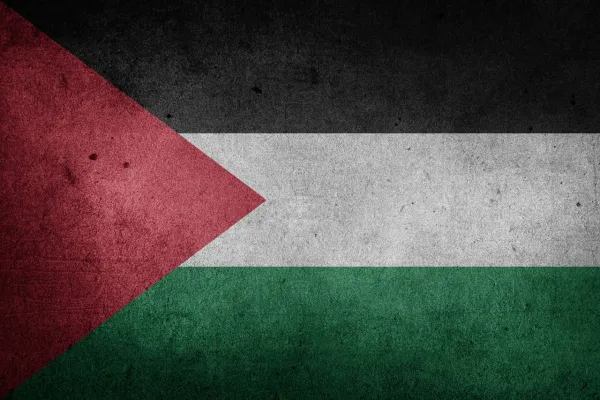
The Belgian government’s decision on November 25 to label products made in illegal Israeli Jewish settlements is welcome, although it will ultimately prove ineffectual.
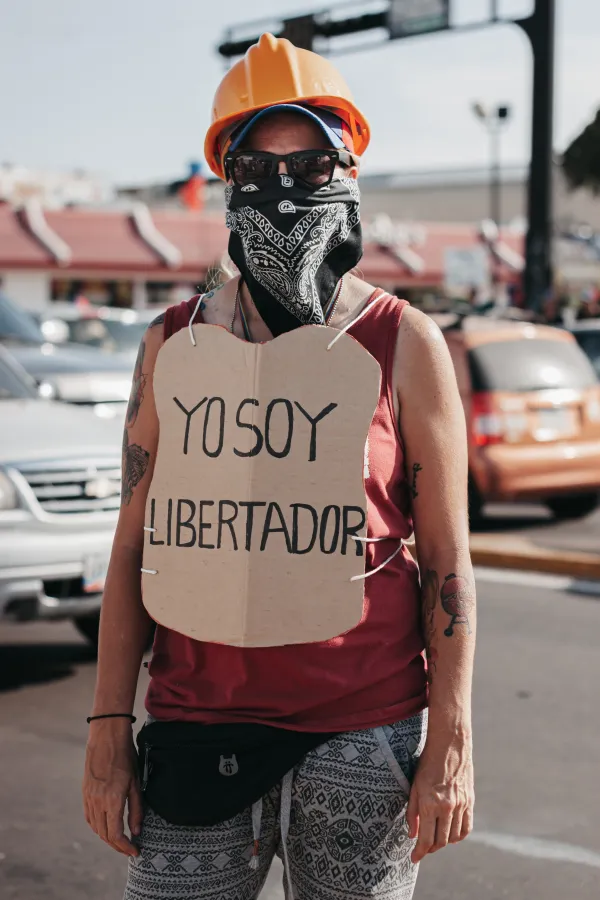
From Panama to Puerto Rico, the emerging struggle for independence from US imperialism continues in Latin America today. Puerto Rico is still a colony, called by the imperialists a common wealth, and although Jimmy Carter had us finally withdraw from the Panama Canal, the US continues to meddle in Panama, and maintain division between Panama and the rest of Latin America whether it be Central (Meso) or South America.
This struggle includes the resistance against economic coercion in all forms, including the guerra economica (economic war in Spanish) also known as sanctions. The imperial term sanction makes it sound like a surgical procedure, but it is far more harsh. The blockades or embargoes under international law are in fact a form of warfare. According to the UN, US imposed sanctions on the Venezuelan people have killed 10s of 1000s.