
Global
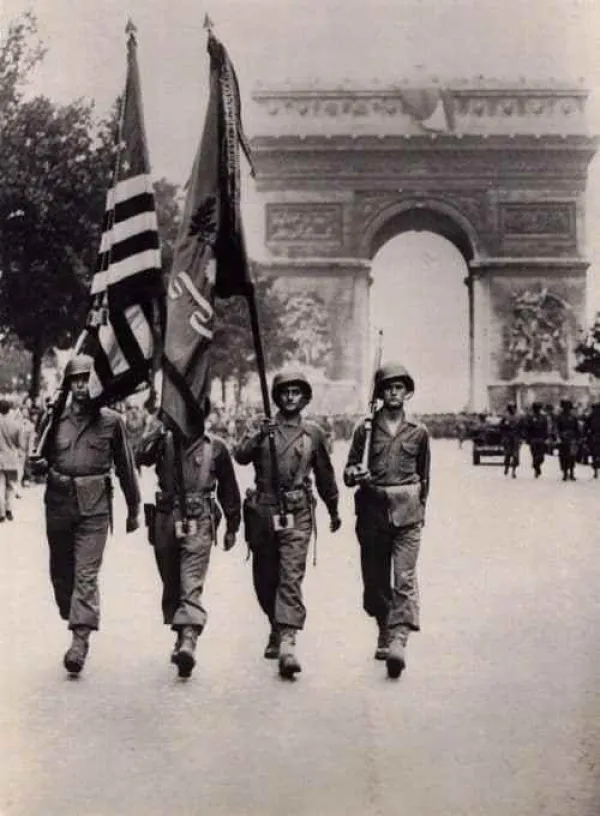

Are you a fan of The Grateful Dead? Bluegrass and funk? A variety of art performance and talent all packed together over a three-day weekend event? I think it’s time you prepare for next year’s Dark Star Jubilee festival, where you can expect all of this and also making friends with a family of people who all share the same passions for these things in life.
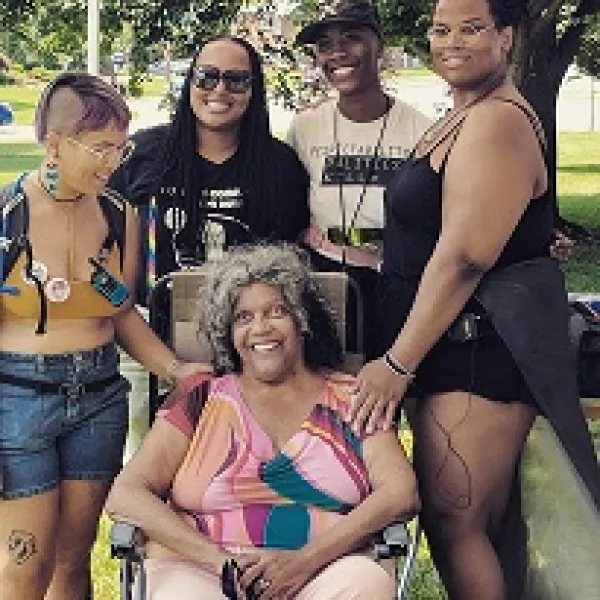
Pride season is a monumental one this year, considering that 2019 is the 50th anniversary of the Stonewall Uprising. This revolutionary uprising, led largely by queer and trans people of color (QTPOC) against oppressive police forces raiding the Stonewall Inn, ignited the modern movement for LGBTQIA+ rights.
Their uprising in New York was very much in the footsteps of the LGBTQIA+ folks who rose up against violent, transphobic police officers three years prior at the Compton Cafeteria Riots in San Francisco’s Tenderloin District. Though white homonormativity soon began to dominate the general narrative around LGBTQIA+ experiences, there were militant trans women of color, like Miss Major, Marsha P Johnson, and Sylvia Rivera who rejected assimilation and instead fiercely advocated for the true liberation of the most marginalized. They consistently uplifted low-income trans women of color, houseless queer and trans youth, and sex workers in their communities until their dying days.
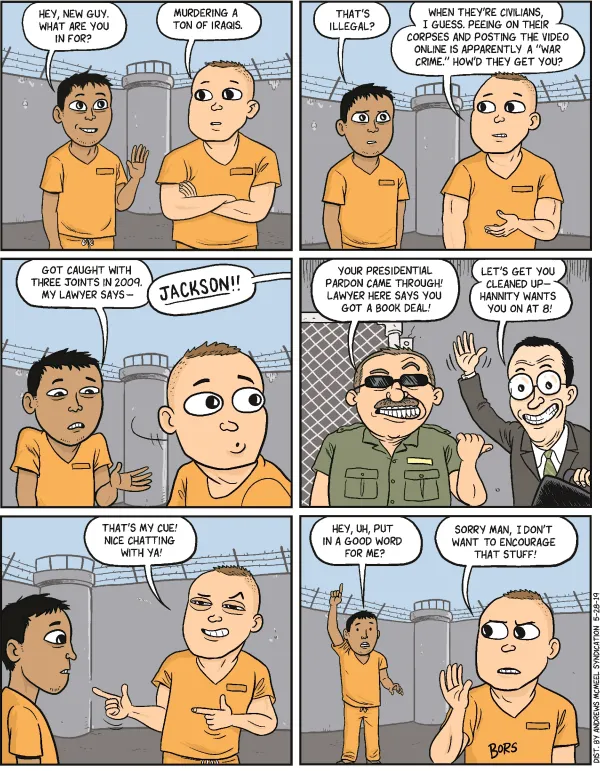

The U.S. government protects itself, not democracy. That’s what is most apparent about its 18-count indictment of Julian Assange, not to mention the ongoing imprisonment of Chelsea Manning, for the leaking and release of State Department and military documents and videos a decade ago.
The current reporting on the indictment is mostly about Assange himself: his expulsion from the Ecuadoran embassy in London after he’d been holed up there for seven years; the sexual assault charges against him in Sweden; and, of course, his role as a “tool” of the Russians, along with his flip-flopping appeal to both the political left and right (depending on the nature of the controversy WikiLeaks is stirring up). What a story!

“He enlisted in the Virginia National Guard in April 1996, according to spokesman A.A. Puryear. He was assigned to the Norfolk-based 1st Battalion, 111th Field Artillery Regiment, 116th Infantry Brigade Combat Team as a 13B cannon crew member. He was discharged in April 2002 and held the rank of specialist at the time, the spokesman said. His records did not indicate overseas deployments.” —CNN on latest mass shooter
We’re supposed to overlook this bit of information. We’re supposed to focus on mental health questions or the inscrutable incomprehensible mystery of the inevitable human tragedy of mass shootings, which bizarrely and unfairly are inflicted by the universe on this particular 4 percent of humanity living in the United States, which quite irrelevantly has been glorifying violence through endless wars for many years.
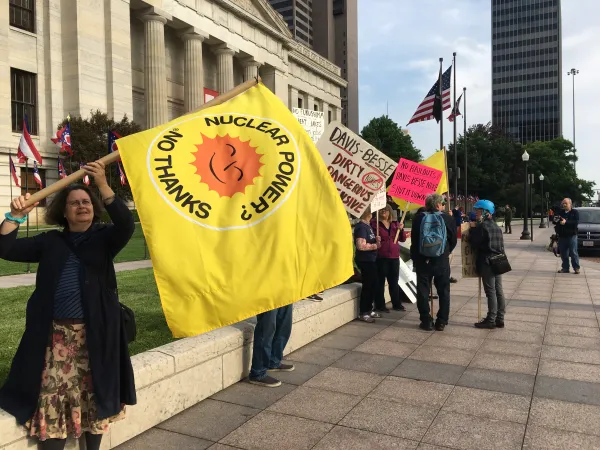
NO NUKES! Anti-HB6 Protests Scheduled Across Ohio
Scheduled Protests:
TOLEDO: Monday, June 3, 4:30 to 6:30PM, 300 Madison Ave. (Toledo Edison Building.
COLUMBUS: Wednesday, June 5, 4:30 to 6:30PM, Ohio Statehouse, corner of 3rd and State.
AKRON: Friday, June 7, 4:30 to 6:30PM, Venue to be determined.
House Bill 6 would eliminate Ohio's energy efficiency and clean energy programs, and instead replace them with a charge on every Ohioan's electric bill that would go to bailout First Energy's crumbling, leaking Davis-Besse and Perry nuclear plants, as well as two coal fired plants, one in Indiana.
Opponents will be gathering at three locations across the state during the first week in June to protest this unacceptable nuclear power tax on Ohioans. Wind and solar power are cheaper and can easily replace both Davis-Besse and Perry plants. However, the Republican controlling the Ohio state government are hostile to clean energy, and instead want to protect First Energy, one of the largest donors to the Republican Party.
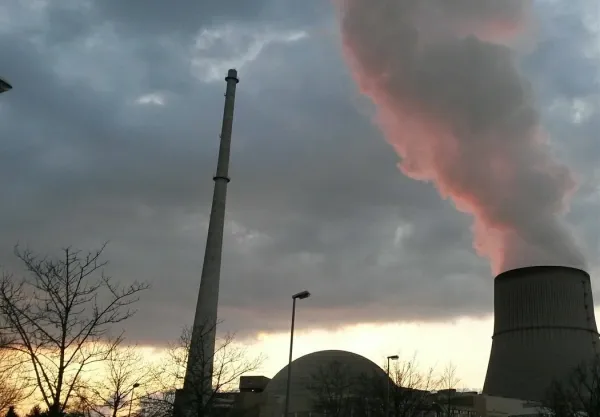
Defying all laws of competitive economics, climate change, and technological progress, the state House has voted in a ratepayer-funded bailout for two aging nuclear power plants.
efying all laws of competitive economics, climate change, and technological progress, the Ohio House has voted in a ratepayer-funded bailout for two aging nuclear power plants on Lake Erie, and two even older coal burners, one in Indiana, but owned by the Ohio Valley Electric Corporation, based in Piketon. According to Politico, a senior adviser to the Trump reelection campaign, Bob Paduchik, pressured at least five members of the Ohio House of Representatives to vote “yes” on the bill.
If it passes Ohio’s Senate next week, the astonishing multi-billion-dollar public handout will guarantee the Buckeye State a prime spot in the new millennium’s can’t-compete Rust Belt rumble seat for decades to come.


The tale of 9/11 will just not go away, largely because it is clear to anyone who reads the lengthy 9/11 Commission Report that many issues that should have been subject to inquiry were ignored for what would appear to be political reasons. The George W. Bush Administration quite obviously did not want to assume any blame for what had happened and that bias also extended to providing cover for U.S. “allies,” most particularly Saudi Arabia and Israel. Those who have sought the truth about 9/11 have been persistent in their attempts to find out information that was suppressed but they have been blocked repeatedly in spite of numerous FOIA requests.