
Global
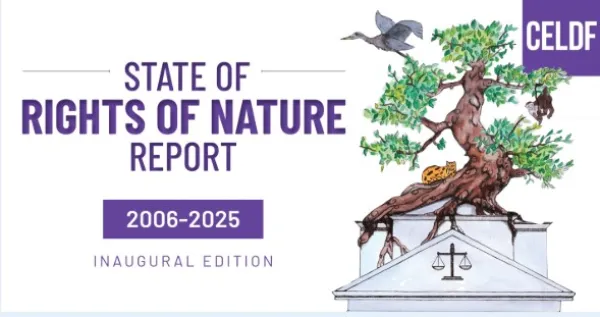
After 20 years of controversial and challenging work, the “rights of nature” movement, which aims to extend legal protections to the natural world, finds itself on shaky ground, facing counterattacks, outright bans, corruption, cooptation, and — in a few inspiring cases — victories.
A new report called the State of Rights of Nature explores these issues in detail based on the expertise of the Community Environmental Legal Defense Fund (CELDF), the organization responsible for the first modern “rights of nature” law in the world which passed in 2006.
For thirty years, CELDF has worked with hundreds of communities across the U.S. and internationally on rights of nature, participated in numerous coalitions and conferences, and watched a spark turn into a global movement. But the growing popularity of rights of nature has also fueled a backlash which, in some cases, has led powerful forces to co-opt movement language and advocates to water down their rights of nature initiatives to the point of near irrelevance.
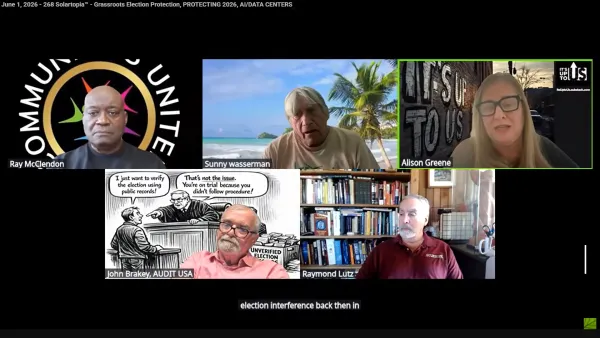
GREEP Zoom # 268 opens with JUDITH EHRLICH and CLAIRE GREENSFELDER introducing us to a wonderful new documentary about DAN ELLSBERG & his legendary activism that changed the world.
We then take a deep deep dive into the decisive, dangerous world of protecting the 2026 election through the critical eyes of RAY MCCLENDON, JOHN BRAKEY, ALLISON GREENE, LYNN FEINERMAN, RAY LUTZ, MYLA RESON, JOHN STEINER, STEVE CARUSO and others.
The key issues that have erupted as we approach this world-changing vote include Gerrymandering, mass intimidation, stripping the voter rolls, vote by mail, manipulating the vote count and much more.
From LORI GRACE, DOROTHY REIK and DAVID SALTMAN we get priceless perspectives on the media sink hole surrounding this all-important issue.
We then visit the AI/Data Center battleground with Ohio’s LEATRICE GUTTENTAG, VINA COLLEY and CHRISTIAN NUNES, both of them neck deep in grassroots fights against these hideous planet-destroying digital monstrosities that are so often now nuke-powered.
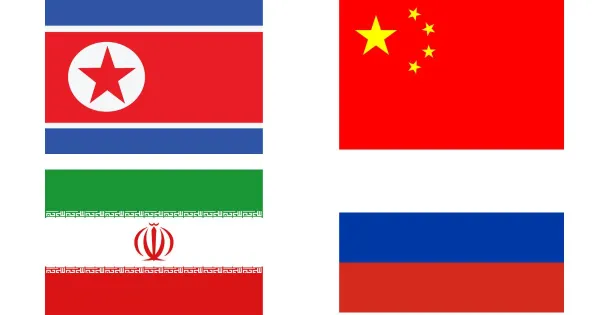
What does an alliance between China, Russia, Iran and North Korea mean for the West, especially America and the rest of the world? Is this cabal as Peter Van Praagh, president of the Halifax International Security Forum, believes in cahoots with the express purpose of disrupting the global status quo? If so, what’s new about that? Far from strangers the relationship between these four nations dates back as early as the Cold War. While the four nations were never best friends, so to speak, the relationship between the four has taken on greater meaning and substance since the war in Ukraine and the West’s reaction, namely the United States’s response by way of economic sanctions and military support of Ukraine.
Thursday, June 4, 2026 - 08:00pm
this event will be occurring via Zoom
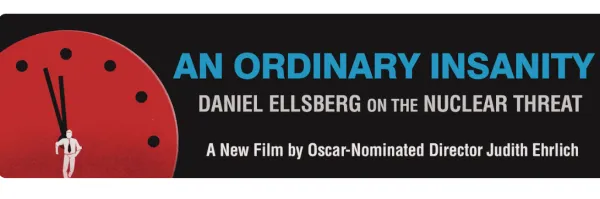
Join us for the online premiere of "An Ordinary Insanity", a new 28-minute documentary featuring renowned whistleblower Daniel Ellsberg. Filmed by Oscar-nominated director Judith Ehrlich one year before his death, Ellsberg provides a powerful wakeup call about the global threat posed by nuclear weapons and how we can greatly reduce the danger of nuclear annihilation.
The free premiere will include a panel featuring director Judith Ehrlich, Ellsberg family members, and nuclear weapons experts and activists, followed by a Q&A.
https://us06web.zoom.us/webinar/register/WN_jX-74q1nTcaqFOyW8_iDkw?link_id=4&ca…
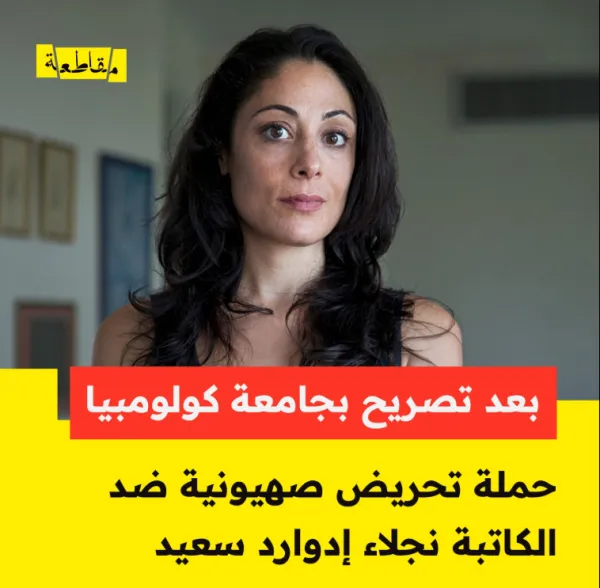
Americans place a high value on freedom of speech, often considering it more important than other rights. Some American would fight to death to defend their foes right to speak, but not the Zionist lobby, better known as the "Jewish lobby" in America. Case in point, platforms affiliated with the Israeli lobby are now waging a widespread incitement campaign targeting Palestinian American writer and playwright Najla Said by distorting her political statements and cherry-picking her stances against the occupation.
This attack followed her participation in the student solidarity encampment at Columbia University, where she asserted that accusing protesters of "antisemitism" is merely a tactic to intimidate free voices, emphasizing that defending an entity committing genocide reflects a moral and humanitarian failing.
This is nothing more than a coordinated effort by Israel and the powerful Israeli lobby groups, with the intention of suppressing those who shed light on the reality in Palestine and Lebanon in order to downplay the plight of Palestinians and Lebanese while portraying the perpetrators as victims.
Who is Najla Said?
Is war simply part of human nature? It’s been absurdly “ordinary” throughout my lifetime, and continually expanding its power and psychological reach.
And unless you’re in the middle of it – unless you’re digging for a dead child beneath a bombed building – war is just an abstract horror. It’s necessary. It’s what keeps us safe. Glory, glory hallelujah.
“You ask: What is our policy? I will say: It is to wage war, by sea, land and air, with all our might and with all the strength that God can give us: to wage war against a monstrous tyranny, never surpassed in the dark lamentable catalogue of human crime. That is our policy. You ask, what is our aim? I can answer with one word: Victory – victory at all costs, victory in spite of all terror, victory however long and hard the road may be; for without victory there is no survival.”
Hmmm . . .

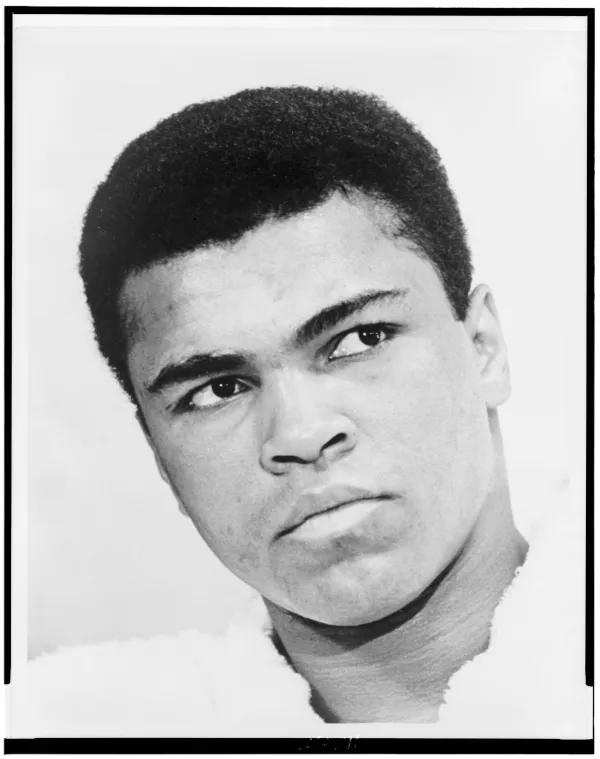
Ten years ago, friend Willis E. Brown, and my two young sons piled into my van in the early morning hours of Friday, June 10, 2016, and set out for Louisville, Kentucky, the birthplace of Muhammad Ali. Two hours later we stopped in Cincinnati and picked up my former student, Kevin L. Brooks, PhD, who was there visiting friends and family. The weather cooperated making for a rather uneventful trip.