Global
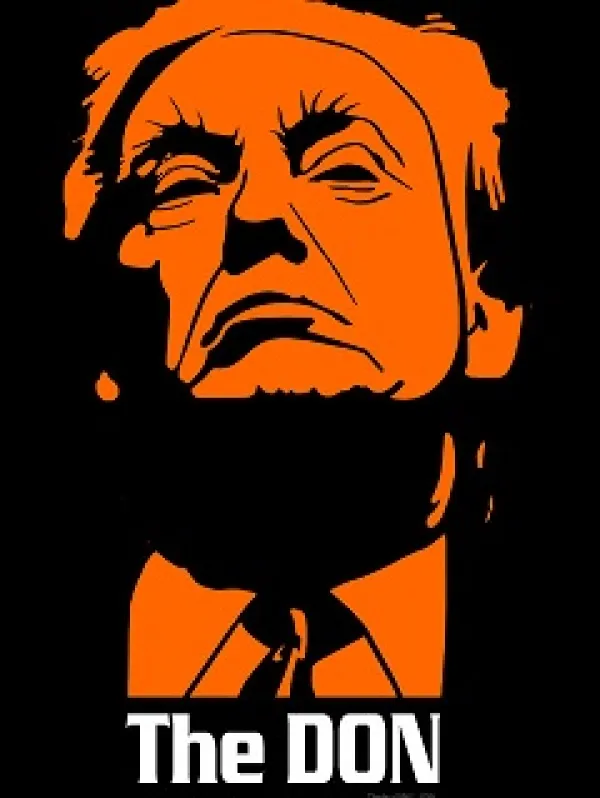
Angst, fear and loathing are the overwhelming emotions six months into the disastrous Trump presidency. Just exactly who, or what, do we have at the helm of the United States Ship of State, and the little red button that could end life as we know it?
This month’s Free Press cover depicts a Trump regime floundering in rough sea waters, with the Don confident, but clueless.
The planet and its leaders are watching in horror as the ship appears to be capsizing. Trump and his fools enrich themselves, all the while gleefully decimating domestic social programs, dooming the environment and destroying our nation’s relationships around the world.
Charles Wince, the artist, is asking: just who is steering this ship of fools?
A buffoon? A bully? An oft-bankrupt billionaire businessman? A Benito Mussolini in the making?
Simply put, what we have is an international criminal hell-bent on continuing his crime spree within and without his corrupt administration. Making the world safe for oligarchy.
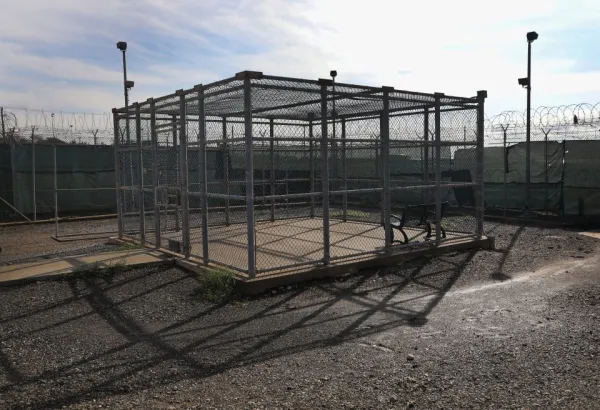
To read Witnesses of the Unseen: Seven Years in Guantanamo is to run your mind along the contours of hell.
The next step, if you’re an American, is to embrace it. Claim it. This is who we are: We are the proprietors of a cluster of human cages and a Kafkaesque maze of legal insanity. This torture center is still open. Men (“forever prisoners”) are still being held there, their imprisonment purporting to keep us safe.
The book, by Lakhdar Boumediene and Mustafa Ait Idir — two Algerian men arrested in Bosnia in 2001 and wrongly accused of being terrorists — allows us to imagine ourselves at Guantanamo, this outpost of the Endless War.
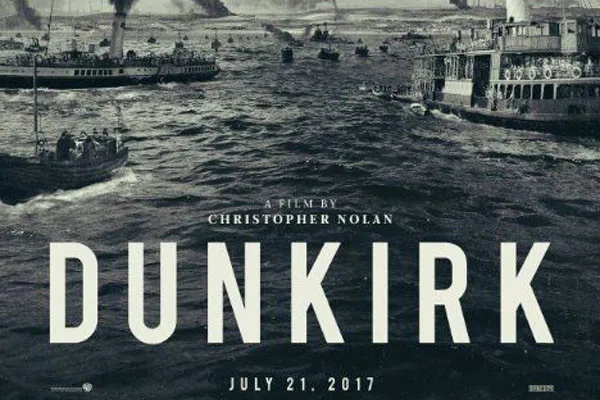
Yes, I’m going to tell you what’s missing from this film without watching the film. Trump has, as promised, made me so sick of winning that I really could enjoy watching a defeat film, but I think I’ll pass. If I’m wrong about what’s missing from it (I mean one of the many things that are, no doubt, missing from it), I promise that I will eat an entire plan for victory in Afghanistan annually for the next decade.
One of the oddest things about World War II is how it has been marketed as a humanitarian war since the moment it ended.
One reason this is odd is that several times the number of people killed in German concentration camps were killed outside of them in the war (at least 50 million worldwide vs. 9 million killed in the camps). And the majority of those people were civilians. So a war against killing people in camps would be a very strange way to understand World War II, unless killing many more people can be made an acceptable means of opposing killing people. The scale of the killing, wounding, and destroying made WWII the single worst thing humanity has ever done to itself in any short space of time.
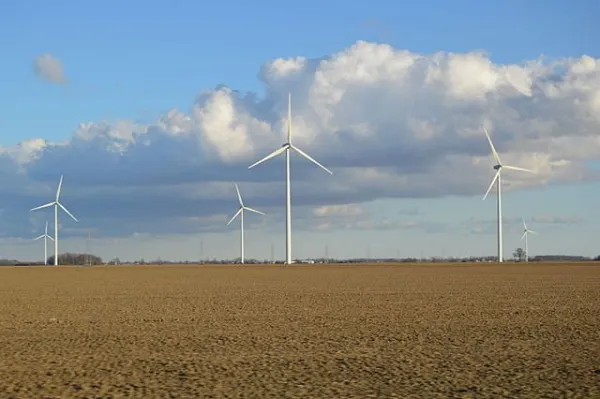
In the corporate war against renewable energy, a single Ohio regulation stands out.
It is a simple clause slipped into the state budget without open discussion, floor debate, or public hearings.
The restriction is costing Ohio billions of dollars and thousands of jobs.
The regulation demands that wind turbines sited in the Buckeye State be at least 1,125 feet from the blade tip to the nearest property line, about 1300 feet total—nearly a quarter-mile.
Human beings are now waging war against life itself as we continue to
destroy not just individual lives, local populations and entire species
in vast numbers but also destroy the ecological systems that make life
on Earth possible.
By doing this we are now accelerating the sixth mass extinction event in
Earth's history and virtually eliminating any prospect of human
survival.
In a recently published scientific study 'Biological annihilation via
the ongoing sixth mass extinction signaled by vertebrate population
losses and declines'
http://www.pnas.org/content/early/2017/07/05/1704949114 the authors
Gerardo Ceballos, Paul R. Ehrlich and Rodolfo Dirzo document the
accelerating nature of this problem.
'Earth's sixth mass extinction is more severe than perceived when
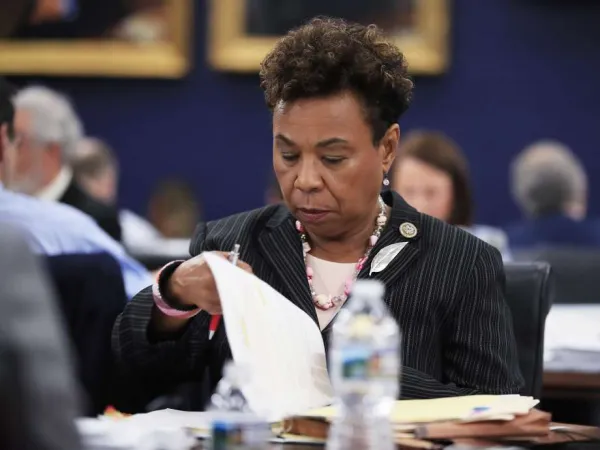
For Americans who oppose perpetual war, no member of Congress has been more admired than Barbara Lee. Ever since she cast the only vote against a blank-check war resolution, three days after the Sept. 11 terrorist attacks, the Oakland Democrat has earned a reputation for bravely speaking antiwar truth to militarist power.
But, now, the core wisdom of her eloquent speech on the House floor nearly 16 years ago is under threat — from Lee herself.
When Lee beseeched her colleagues to “think through the implications of our actions today, so that this does not spiral out of control,” she was looking far beyond the politics and passions of that moment on Sept. 14, 2001. In a July 7 tweet, she has stepped away from steadfast support for the necessity of diplomatic initiatives.
U.S. Rep. Ron DeSantis recently told constituents of how he participated in a wreath-laying ceremony at the Tomb of the Unknown Soldier at Arlington National Cemetery. He told us to remember and give thanks to those who gave their lives in the service of our nation, as they are the “indispensable Americans without whom we would not be free.”
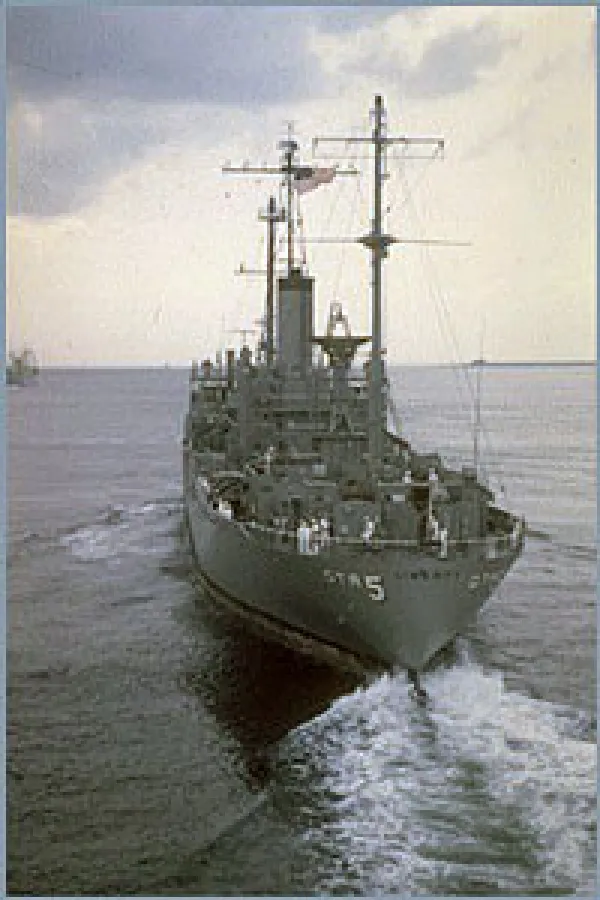
Ernie Gallo of Palm Coast is the USS Liberty Veterans Association’s president. On June 8, 1967, the USS Liberty, stationed in international waters, was attacked for two hours by the Israeli military. That left 34 U.S. sailors and Marines dead, 174 wounded and the Liberty the most decorated ship for a single engagement in U.S. Navy history.

Today I listened to the audio book of Entangled Empathy: An Alternative Ethic for Our Relationship With Animals by Lori Gruen while reading the hardcopy of From Bacteria to Bach and Back: The Evolution of Minds by Daniel Dennett. As a result I have been better able to empathize with Dennett’s obsession with the uniqueness of human consciousness, and I have been better able to marvel at the complex precision of Gruen’s theorizing. But I don’t seem to be any better off than I was before when it comes to knowing how to persuade or otherwise mobilize people to stop humanity from wrecking this planet or harming various life forms on it. In that and other senses, both books read/listen to me like eternal introductions that never get around to the tofu of the matter.
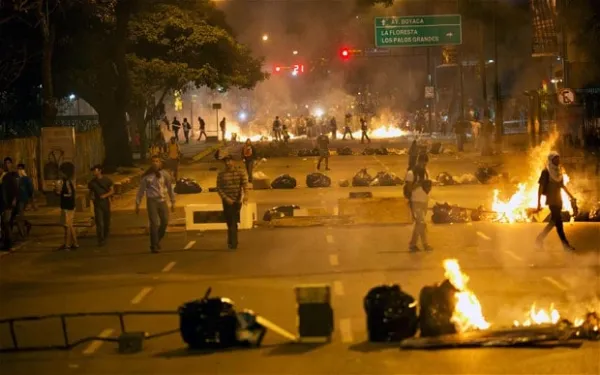
It is all about the oil. Whatever else one hears about Venezuela, it is all about the oil. That is what one needs to know first about why the U.S. Empire has Venezuela under siege. It is about the oil.
When President Trump says, "Venezuela is a mess; Venezuela is a mess, we will see what happens”, it is all about the oil. When the U.S. Empire imposes sanctions on Venezuela, it is all about the oil. When the mainstream corporate media (i.e. Fake News) cries crocodile tears about democracy, human rights and political prisoners in Venezuela, it is about the oil. When the U.S. calls into session emergency meeting of the United Nations and the Organization of American States, it is about oil.
Venezuela has the largest known reserve of oil in the world, and Venezuela controls its own oil, not international corporations; and it uses its oil for the benefit of its people. The U.S. Empire instead wants to control that oil and it wants the profits from the oil to go to U.S. oil corporations, especially ExxonMobil. Everything else one hears now about Venezuela is prologue or epilogue. The main plot is about the oil.
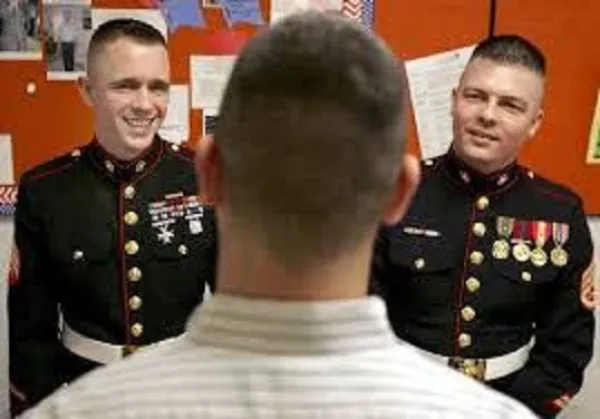
Ominous developments in three states this summer – Oregon, Texas, New Jersey, and one city – Chicago, provide a glimpse into the Pentagon’s new playbook to recruit soldiers from high schools across the country. In brief, the military has been engaged in a robust lobbying campaign to lower academic standards to make it easier to recruit youth.
New recruits have long been required to hold a high school diploma or a GED certificate. This requirement is a major impediment to finding enough soldiers to meet annual targets, but even when struggling students barely manage to graduate, the Pentagon has developed a plan to marshal more of them into the military.