
Global

Dr. Bob Fitrakis and Dan-o Dougan picked some of the best and some of their favorite rock songs with great guitar solos.
Listen live at 11pm Fridays, October 2 and 9, and Mondays, October 5 and 12 at 10am streaming at wgrn.org or on the radio at 91.9FM
and
Mondays at 2pm streaming October 5 and 12 at wcrsfm.org or on the radio at 92.7 or 98.3FM.
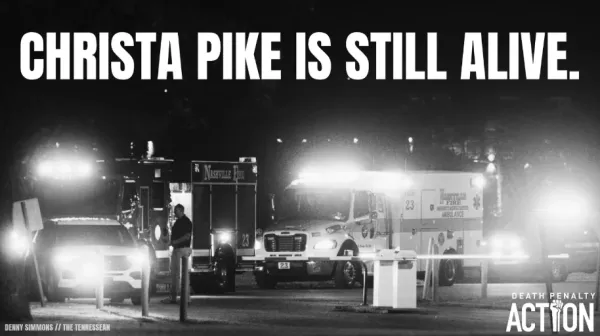
In a stunning twist of events, Tennessee failed to execute #ChristaPike Wednesday night - the second failed execution this year.
Originally scheduled for execution at 10am CT, Christa Pike was granted a last minute reprieve by the 6th Circuit Court of Appeals.
- Of course the State could not let that stand and appealed immediately.
- It wasn’t until some 8 hours after the original scheduled execution that the State of Tennessee was given the go ahead.
NOTHING went as planned… an outcome that Christa and her legal team warned of.
The same physician who presided over the failed execution of Tony Carruthers earlier this year was also involved in Wednesday’s fiasco.
After the first lethal dose of pentobarbital failed to kill Christa, they administered another.

On the morning of November 6th, 2024, as the American nation rose once again, phones lit up on nightstands, televisions flickered to life in living rooms and break rooms, and across time zones, millions of eyes met the same headline at once:
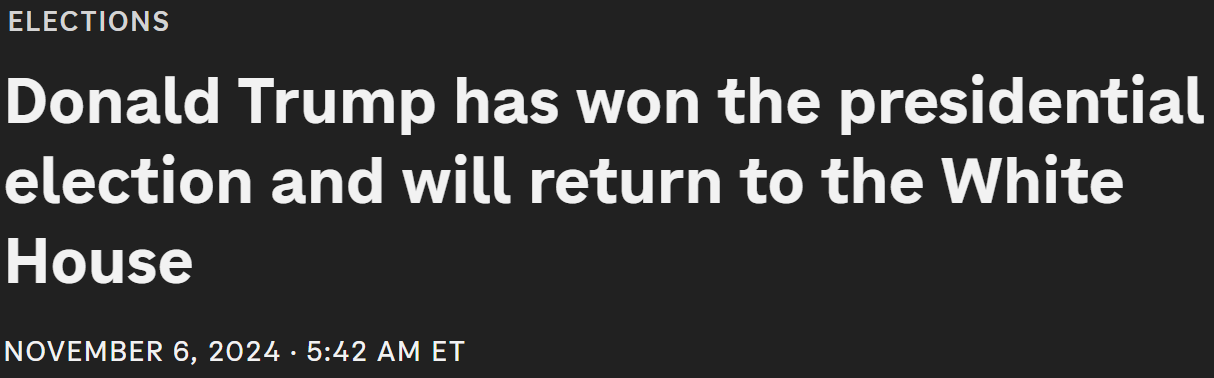
Donald Trump had done it again. He had won the 2024 U.S. presidential election.
Some stood in complete disbelief, terrified, and immediately ran a mental forecast for the coming four years in America. Others rejoiced, bragging about how they’d “owned the libs” and how Trump—just like Ronald Reagan, who he’d plucked the slogan from—was going to “Make America Great Again.”
Being forcefully pro-Palestine is the most efficient way to weed all the worst people out of your life.
It takes care of them all. Zionists. Islamophobes. Apathetic narcissists. Unthinking herd-minded right wing ideologues. Abuser-enabling “both sides” moral cowards. Emotionally stunted man-babies who turn every challenging conversation into an “allow me to play devil’s advocate” mental exercise to avoid feeling normal human feelings. Leaned-back, too-cool-for-the-current-thing victims of western meta-irony brain rot. It’s like spraying yourself with asshole repellant.
Supporting Palestine doesn’t automatically make you a good person; opposing genocide and apartheid is just the basic bare-minimum position we’re all morally obligated to take. But supporting Israel against the Palestinians absolutely does automatically make you a bad person.
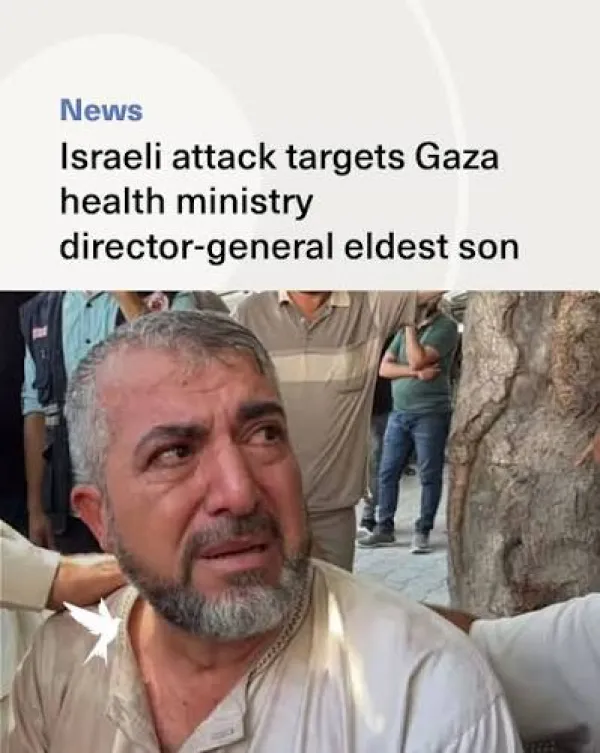
When I first saw footage of Gaza doctor Munir al-Bursh and his family kneeling beside the white-shrouded body of his son, surrounded by mourners, I thought it was an old video. It was not.
My conclusion, however, was understandable. In December 2023, only months after the start of the Israeli genocide in Gaza, the al-Bursh family was targeted in an Israeli attack. Dr. Munir, director-general of Gaza’s Ministry of Health, was wounded. So were other members of his family. His daughter, Jinan, only 13, was killed.
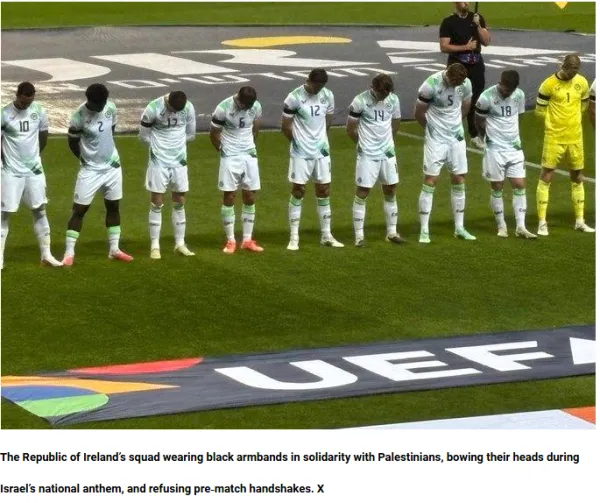
The Republic of Ireland’s national soccer team sent a powerful political message during its Nations League match against Israel in Debrecen, Hungary, on September 27.
Irish players wore black armbands, bowed their heads during the playing of Israel’s national anthem, and declined the customary pre-match handshakes and pennant exchange with the Israeli players. They then went on to defeat Israel 3–0, with goals from Troy Parrott, Adam Idah and Jack Moylan. Source: AP
For many people, the gestures were a symbolic expression of solidarity with Palestinians amid the war in Gaza. For others, they were an inappropriate mixing of politics and sport. Whatever one's view, it was impossible to miss the message the Irish players were sending.
And apparently, some people at Fox News were not happy.
Fox News Takes Offense
A Fox News/OutKick headline declared:
“Irish national soccer team should be ashamed for not shaking hands with Israeli opponents.”

It was the last week of my sixth grade year when Robert Kennedy was assassinated in 1968. It was just two months earlier that Martin Luther King, Jr., had been murdered, and I remember all the magazines my mother got–Life, Look, Ebony, Jet–and reading about both assassinations over and over.
We had a swing set in our back yard, and my friend Shielda Miller and sat in the swings talking about Kennedy’s shooting. She was adamant that he was going to die; I was just as adamant that he was not. I remember the news coverage on television and how one New York television station broadcast the word SHAME in bold black giant letters for almost three hours rather than running regularly scheduled programs.