Global
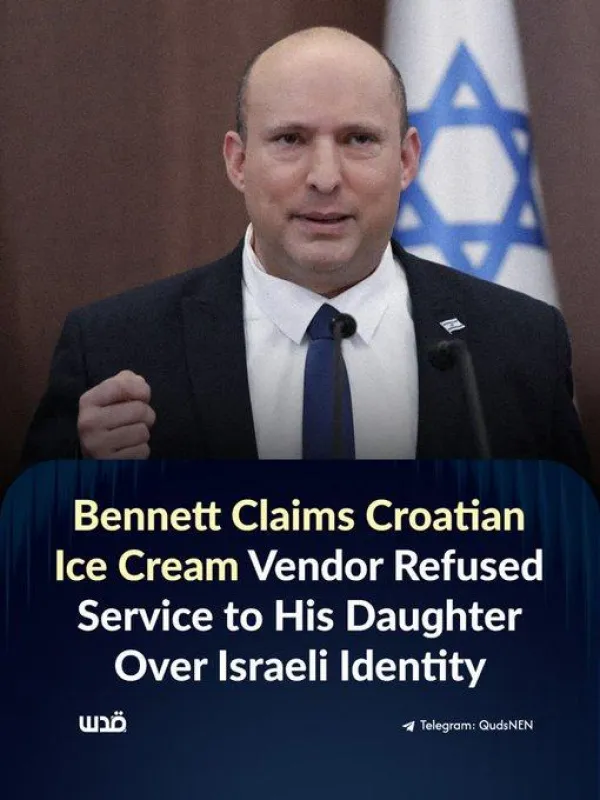
Oh, cry me a river!
Rather than simply presenting the incident as evidence that Israelis are victims of irrational hostility, perhaps Bennett should use the opportunity to explain to his daughter why Israel has become the object of such intense anger and resentment in many parts of the world.
If I were advising Bennett, I would suggest that he tell his daughter and his other three children something like this:
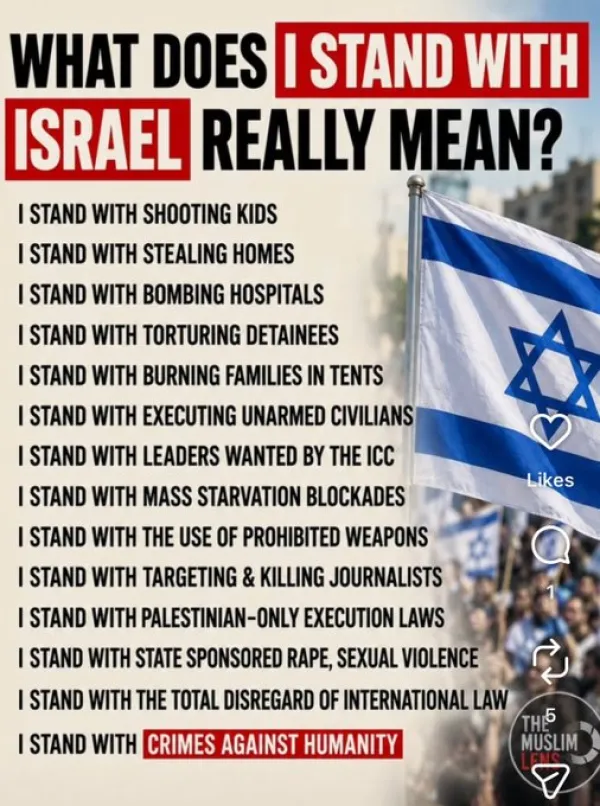
Friends of the Israel Defense Forces (FIDF) was named the top Jewish charitable organization of 2023 by The Jerusalem Post.
So, before you donate, ask yourself: What is your money helping to fund—and who ultimately pays the price?
After reading a powerful post on X by @LailaPalestini1 of Los Angeles, California, highlighting some of the human impact of supporting Israel, I was inspired to expand on the issues she raised and examine what donations to organizations such as FIDF can mean in practice.
https://x.com/LailaPalestini1/status/2093800096680800348?s=20
While we may not be able to stop the Trump administration and Congress from providing military and financial aid to Israel, we can influence businesses, charities, and private organizations through our choices.
According to FIDF, donations support programs intended to equip, strengthen, and empower IDF soldiers. But that raises an important question:
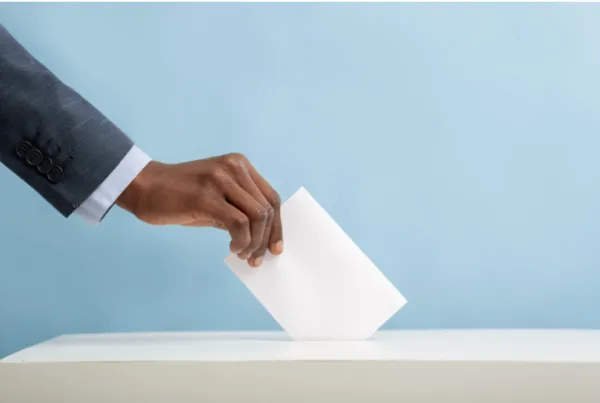
When political candidates take their core voters for granted, hide behind calculated identity PR, or refuse to stand on core principles, those voters notice—and they respond at the ballot box. History provides a clear blueprint.
In 2016, Hillary Clinton assured Black voters she carried "hot sauce in her purse" while her past rhetoric labeling young Black men in hoodies as "alarming" went unaddressed alongside the lasting harms of the 1994 Crime Bill and the War on Drugs. Voters saw through the calculation and handed the election to Donald Trump. In 2024, Vice President Kamala Harris leaned into aggressive marketing, but it could not erase a prosecutorial record marked by systemic incarceration, wrongful convictions, and convenient policy shifts. When pressed on reparations, Harris kicked the can to study committees, insisting, "On the point of reparations, it has to be studied, there's no question about that."

Turnstile’s Never Enough Version Reimagined is a 22-song collection of covers, remixes and collaborations of Turnstile’s Grammy winning album Never Enough album with a wide selection of artists:
Elton John, Slayyyter, Dying Fetus, Porches, Hayley Williams, A. G. Cook, Floating Points, Rod Lee, Kettama, Mustafa, Julien Baker, Panda Bear, Brandon Woody, Four Tet, Dan Deacon, Blood Orange, Chanel Beads, Faye Webster, Angel Du$t, Shabaka, Oklou, Nourished By Time, and Alex G.
Porches sets Never Enough Reimagined off with a likable understated folk-pop cover of Never Enough. A couple songs later, and some techno – I feel like I’m organically standing at Short North gay clubs Axis and The Union. The Union and Axis are places I’ve chilled with Turnstile’s Franz Lyons. Turnstile is from Baltimore. Franz Lyons is from Columbus. I usually don’t really like the music at Axis or the Union.
Franz isn’t homophobic. This isn’t contrived. I understand Never Enough reimagined is authentic. I also don’t really need to listen to Turnstile acknowledging they’ve heard queer techno music.
The entire album doesn’t sound like WNCI queer techno.
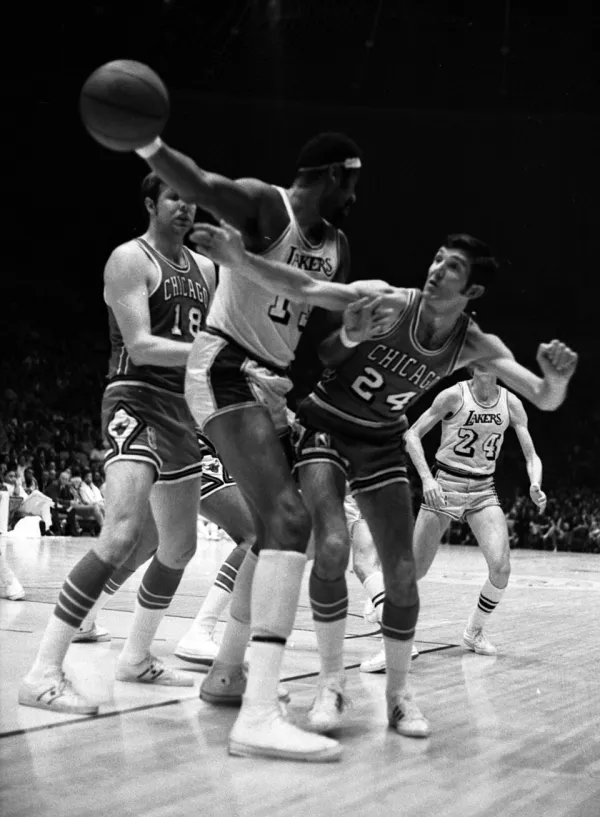
"Matt Guokas and Wilt Chamberlain" by Bill Varie, Los Angeles Times is licensed under CC BY 4.0.
The hyper-macho National Basketball Association needs to finally surrender to the Granny shot.
The guy to do it is Mitchell Robinson. The team is the Boston Celtics.
The Celts are in deep disarray after the shocking departure of super-star Jaylen Brown. Coming from the Knicks, seven-footer Mitch Robinson is being paid millions to serve as a Boston’s stabilizing Force.
But he also comes like Wilt Chamberlain and Shaquille O’Neal as a truly miserable free throw shooter. His absurdly lame 40.8% average is among the very worst in NBA history.
In his ten-year career, Shaq shot an embarrassing 52.7%. He blew about 5300 freebies. Sinking half of those misses would’ve raised his ppg from 23.7% to 25.9%
Wilt blew about 5,800 free throws. Converting half those misses would’ve raised his ppg from 30.1 to 32.8.
Hitting the league average of 75% could’ve won Shaq’s and Wilt’s teams many more games.
Plus being such losers at the line let opponents hammer them with impunity, disrupting the offensive flow. The “Hack-a-Shaq” was an infamous game killer.
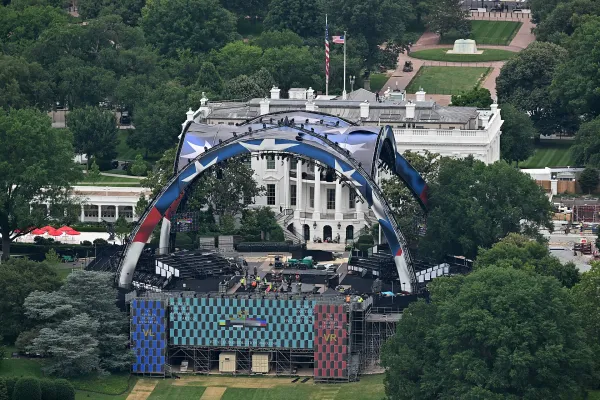
Trump is among the beneficiaries of the current troubled economy, as his stock portfolio goes up by millions. Some American corporations and CEO’s are making windfall profits.
At the same time, Americans generally are experiencing an affordability crisis. The Iran War contributes to the high prices, especially gas prices. All the while, the national debt grows to unprecedented and unsustainable levels.
Amid this economic turmoil, Trump is unable to make headway on opening the Strait of Hormuz and the high prices that stem from it. At the same time, he is spending time and money (some of it government money) on his vanity projects (e.g., the ballroom). He has also, stunningly, started a trade war with Canada that will contribute to high prices and scarcities.
Trump’s windfall
Trump's stock portfolio increased by $15.5 million and Democratic committee claims rise is buttressed by the effects of the Iran war
Nicole Dauphinee provides some documentation, Yahoo, Aug 24, 2026
Did Democratic gubernatorial candidate Dr. Amy Acton isolate Ohio’s registered voters—including millions of Black voters, grassroots organizers, Gen Z, LGBTQ+ advocates, and constitutional conservatives? We personally think so, and here is why.
In Ohio—where registered voters do not register by party affinity but rather establish political affiliation by voting in partisan primaries—there are approximately 800,000 to 1,000,000 active Republican primary voters alongside millions of independent and liberty-minded citizens. Tens of thousands of these voters consistently support Representative Warren Davidson (R-OH) in Ohio’s 8th Congressional District, where he routinely secures over 60 percent of the vote. Similarly, Representative Thomas Massie (R-KY) commands a massive regional and national constitutional-conservative following that heavily overlaps into the Greater Cincinnati and Southern Ohio media markets.