
Global
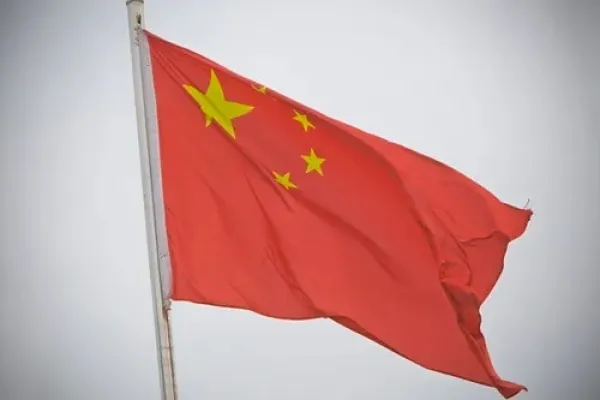
Chinese diplomacy has done it again.
By hosting a historic signing of a unity agreement between 14 Palestinian political parties in Beijing on July 23, China has, once more, shown its ability to play a global role as a peace broker.
For years, China has attempted to play a role in Middle East politics, particularly in the region's most enduring crisis, the Israeli occupation of Palestine.
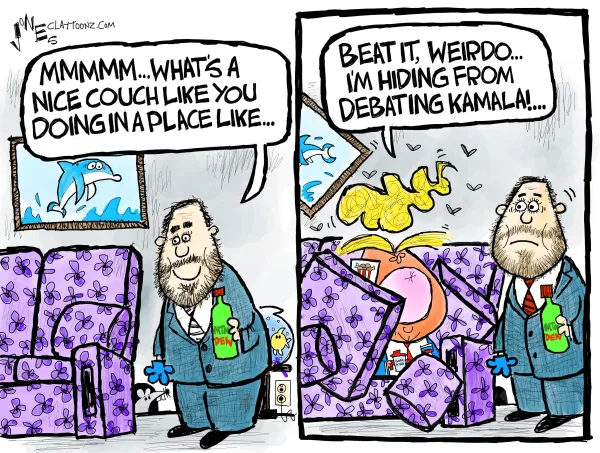
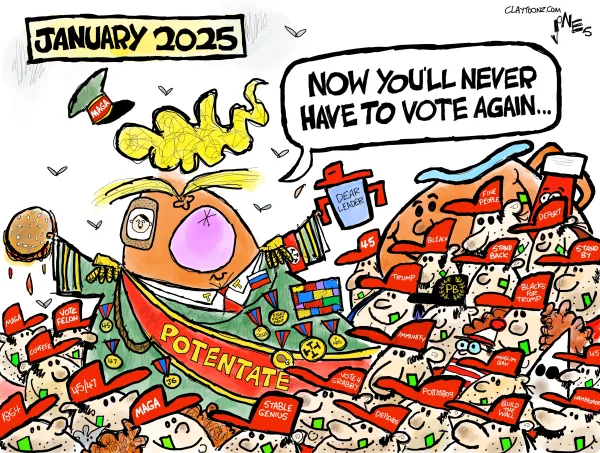
Why are many amongst us still tiptoeing around language when it comes to the horrific Israeli genocide in Gaza?
Layers of censorship imposed on Palestinian and pro-Palestinian voices in corporate and social media seem to have blurred the judgment of some. They continue to speak of a 'conflict', calling on 'both sides' to use ‘restraint’ and, partly, blaming the Palestinian Resistance for the ongoing Israeli massacres.
Though such language is expected from the 'sensible' few of mainstream media, there are those who are counted as ‘pro-Palestine’ intellectuals, journalists and activists who often use similar language.
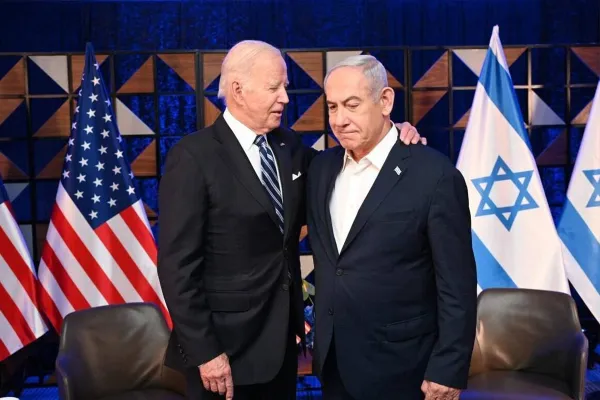
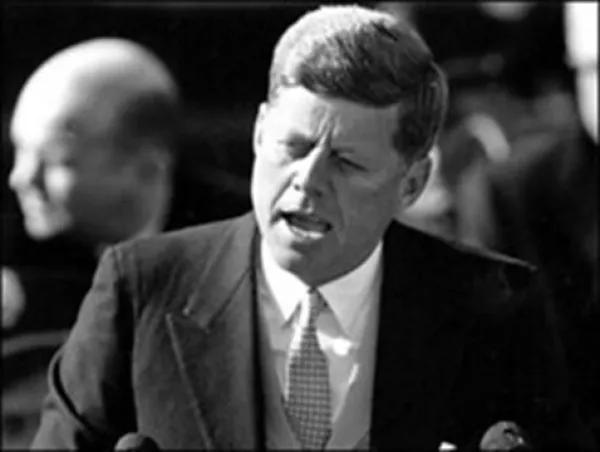
On Wednesday, July 24, 2024, the US Congress reached a new low. Our elected officials, once the envy of the world, proved beyond any reasonable doubt that, in the words of Will Rogers, “the United States of America has the best Congress money can buy.” Or, as Mark Twain said, “We have the best government that money can buy.” On this day of infamy, a certified war criminal, Benjamin Netanyahu, who has been committing genocide in real-time for the past 10 months while the world watches, was received by the US Congress and hailed as a hero.
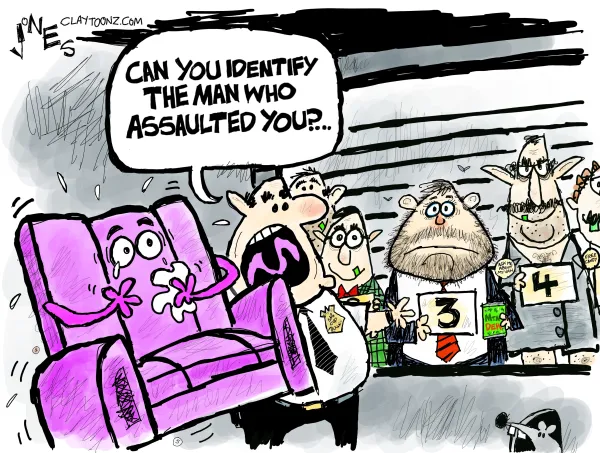
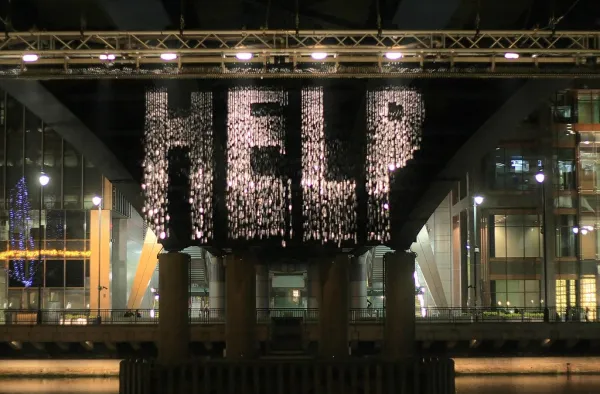
Everyday we hear horror stories from the Gaza strip (concentration camp).
70% of residential buildings are now destroyed, friends of ours that have
been forced to move 7, 8 or 9 times to places that are then bombed again.
Children burned or mutilated. Tens of thousands of women and children
murdered with Western Support. The situation here in the occupied West Bank
has been horrible before 7 October but the level of horror amplified ten
fold since. This increase in rate of home demolitions, land confiscation,
killing of Palestinians, military and settler pogroms against our people,
closing off of 12 ghettos/concentration camps created to store the unwanted
indigenous people. All Palestinians are targets whether they miraculously
remained in Palestine or are in exile diaspora. The Zionist movement is
taking desperate measures to liquidate even the hope of liberation. Even
the delusional hope of a two state "solution" is obliterated with laws and
with increased colonial settlements: There are two times more colonial
settlers per square kilometer here in the West Bank than inside the Green
Line.
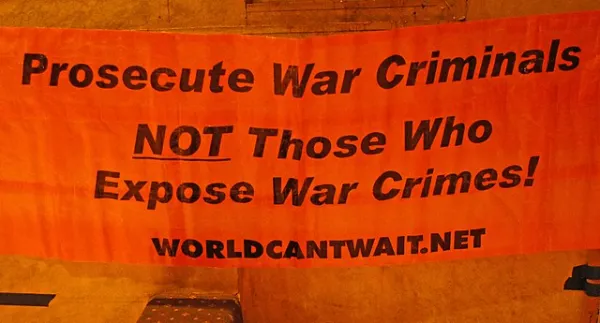
In a shameful moment for U.S. history, an accused war criminal addressed Congress on July 24.