
Global
🗣️Hot topic: I cannot express how maddening it is to listen to influential people with massive platforms tell their audiences that we can "be like Hungary" if we just show up in November and play the same game, only bigger.
Hungary does not use electronic election equipment.
The election equipment and reporting systems in the U.S. are compromised. Election security experts have been telling Congress and the American people this for decades.
The election equipment has been housed in a privately held far-right ecosystem since the 1970s and was deployed nationwide through HAVA in 2002 so the GOP could continue rigging elections.
We aren't going to vote out the mafia.
🚨State legislatures need to pass legislation to remove the election equipment and take us back to the pre-Reagan days of paper ballots, hand-counted totals, and phoning in the results.
Too hard to get state legislators on board? Then governors can use their emergency powers to defer to paper ballot contingency voting methods in November.
Protest is now terrorism, Texas tells us. And green is now blue, at least in reflecting pools. Small victories: the Knicks did it in five, matching Iran’s win (in months). (Maybe.) Meanwhile, the Trumpistrate has switched from destroying the oceans to defending lung cancer. And housing for the homeless is held hostage by the Voter Fraud Hoax. Curiouser….
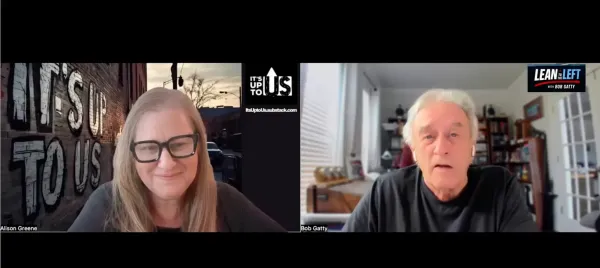
The fight for the 2026 midterms won’t begin on Election Day. It has already begun.
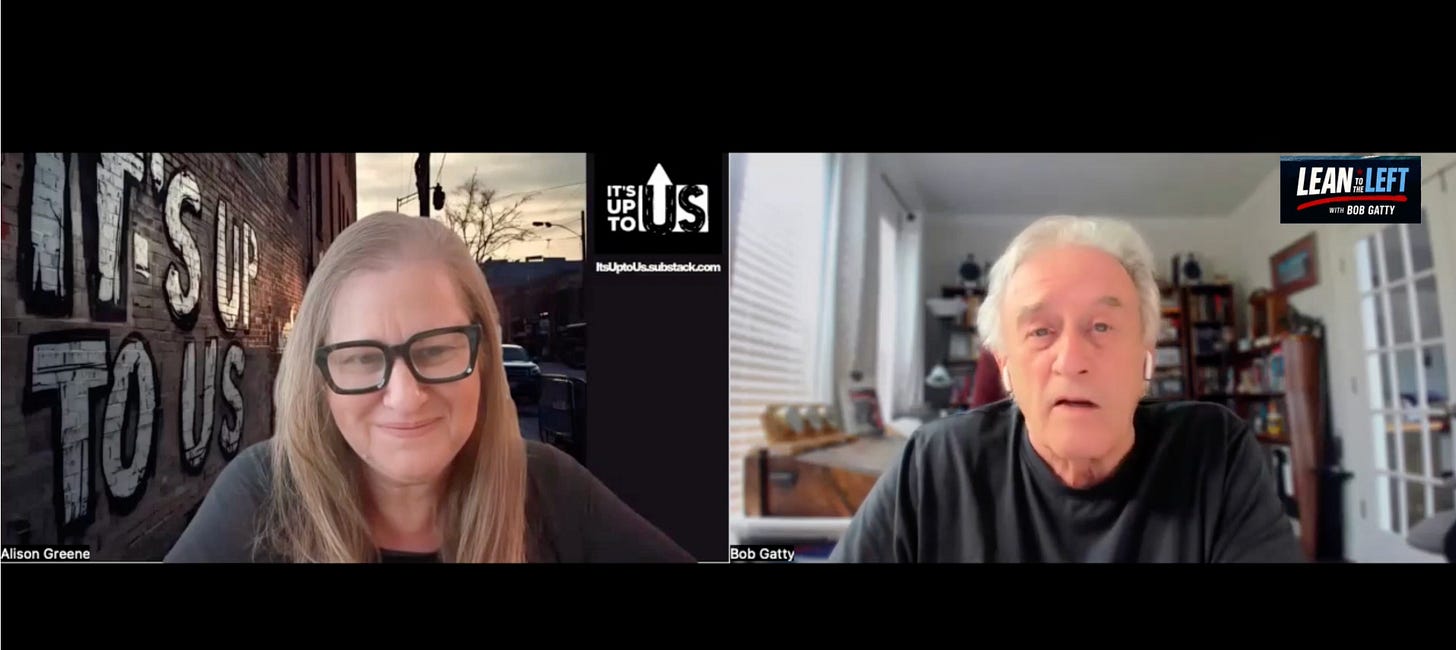
In this interview, we discuss the conspiracy that is still going on and how we can fight back now… before it’s too late to save the midterms.
I recently had the opportunity to sit down with journalist Bob Gatty for an in-depth conversation about my election research and the work we’re doing through the It’s Up to Us initiative.
Here is the link to watch the full video:
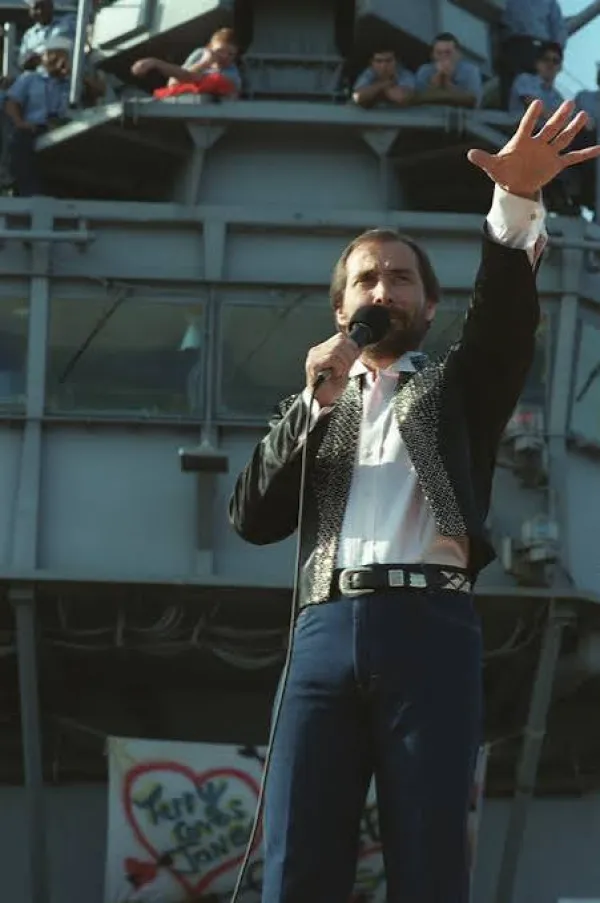
After musician after musician pulled out from Trump’s “Freedom 250” concert, he was left with Lee Greenwood, an opera tenor, a couple of military bands, and Kash Patel’s girlfriend. The anthem that made Greenwood a star, “God Bless the USA,” was written in 1985 during the height of the Cold War. It begins with the specter of loss— “If tomorrow—all the things were gone, I’d worked for all my life/ And I had to start all over with my children and my wife.” Then the wounds disappear before they’re felt: “I’d thank my lucky stars to be living here today/ Because the flag still stands for freedom and they can’t take that away.”
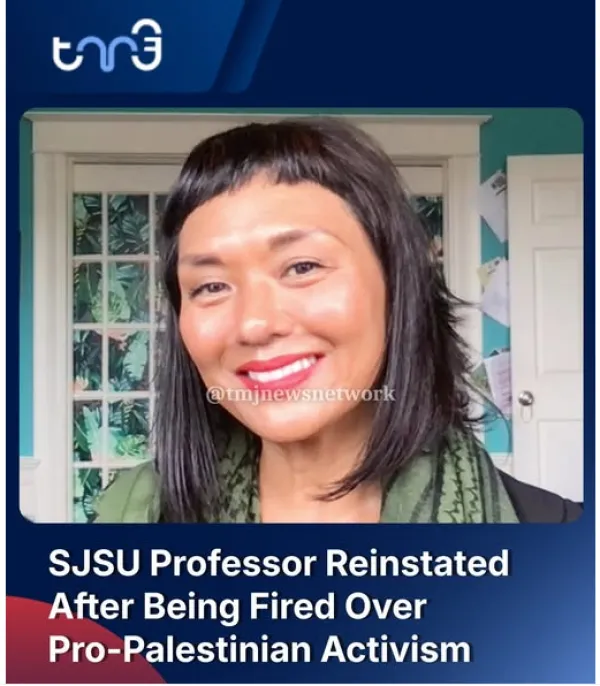
Professor Sang Hea Kil, a tenured Justice Studies professor at San José State University (SJSU), became widely known for her involvement in pro‑Palestinian campus protests. She was fired in 2025 after the university determined she had violated campus and CSU policies during several protest‑related incidents. In June 2026, however, an arbitrator ruled that her termination was excessive, ordering SJSU to reinstate her with back pay and reduce the penalty to a one‑month unpaid suspension.
Prof. Kil is an Asian American with no roots or affiliation to the Middle East. She is also known for her work with the California Faculty Association (CFA), where she serves as co‑chair of its Palestine, Arab, and Muslim Caucus. She has long been active in student advocacy, labor organizing, and pro‑Palestinian activism across CSU campuses. Like many Americans, Prof. Kil has not shied away from speaking out against injustice — most notably the genocide in Gaza and the plight of the Palestinian people.
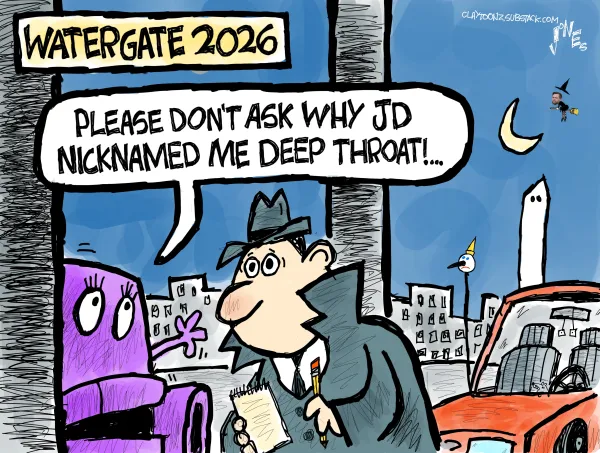

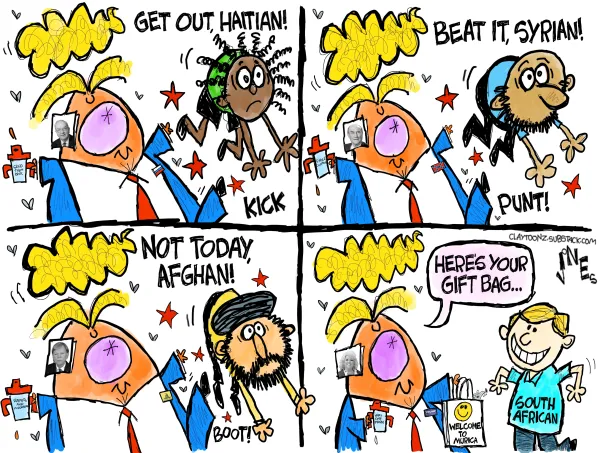
I hope Trump, Miller, ICE and all the haters have a great celebration about their Supreme Court’s greenlight for the president to end of temporary protective status for Haitians and Syrians. I’d make a bet this is going to be a case of maybe “they should have been careful about what they wished for.” They’ve already seen fierce push back from agribusiness and farmers on all sides of the political spectrum for diminishing their workforce, forcing them to make allowances or look the other way. Now with more than 1.1 million workers at risk of losing the right to work based on a protective status, they can’t imagine the whelping from their allies and foes in the healthcare, service, industrial, and agricultural sectors.
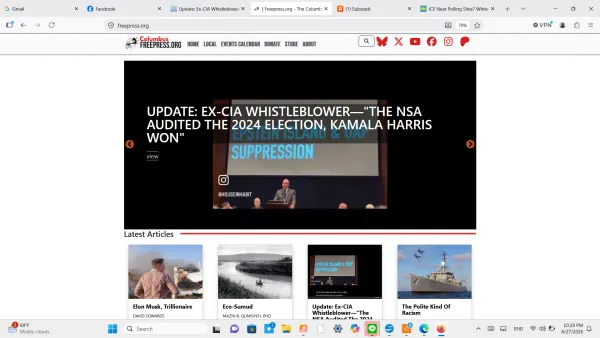
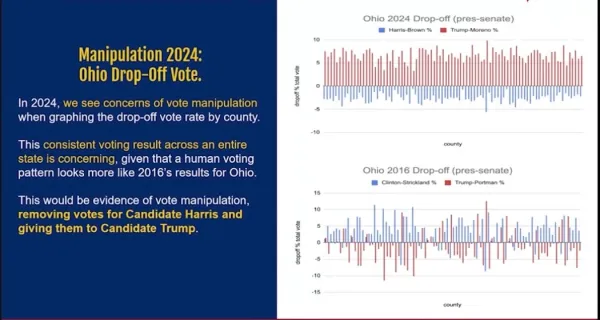
The Columbus Free Press has a long history of investigating stolen elections beginning with the 2000 election (Bush vs Gore). Our most important contribution was the stolen election of 2004, where George W Bush and Karl Rove stole the election from John Kerry. This election was stolen in Ohio, so the Free P ress orchestrated important public hearings and published “Did George W. Bush Steal America's 2004 Election?”. Similarly we reported on Trump's theoretical defeat of Hillary Clinton in 2016, and Trump's most recent “win” over Kamala Harris. We recognize that Trump spent 4 years crying about a stolen election that was not stolen (2020), effectively causing Democrats to remain silent, as usual (Trump-cry makes America reluctant to discuss Stolen Elections).
Under Orange King Trump, the wannabe fascist government of the United States is working to ensure there is never a fair election in America again, and are specifically targeting the midterm elections.
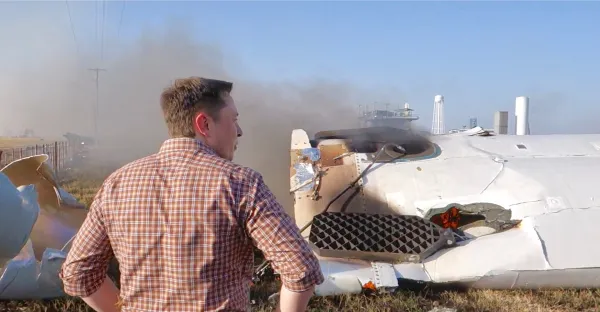
Elon Musk became the world's first trillionaire recently. Is that a good thing for one person to have that much wealth and influence? How feasible are Musk's plans to build spaceships to go the moon, Mars, or other areas of the solar system?
There are some good reasons the US have not gone back to the moon since 1972. Anything can go wrong on a mission as we have seen with Apollo 13, which failed to get to the moon but managed to return to Earth with its astronauts still alive.
There's not much reason to go. There's no life there or no way to grow anything. There's no oil or mining prospects there. The whole moon would have to be covered with gold to reap the enormous expenditures of financing a mission there. Even the worst land on Earth is better than the best land on the moon or Mars. It would certainly be much cheaper to build data centers here.