
Local

The Table was an exciting new discovery in vegan options located in the Short North on the south side of 5th Ave directly across the street from Brothers Drake. They have a comfortably eclectic atmosphere of with variety of mismatched dinning tables, chairs and dinner plates and interesting lighting fixtures. Friendly and informed staff, regarding vegan needs, and delicious food made a great overall experience. A friend and I went for dinner and enjoyed the squash ribbons starter, and veganized versions of the beet gnocchi and the curried chickpeas. They even made us a special dessert with a variety of apples and the entire meal was loaded with flavor.
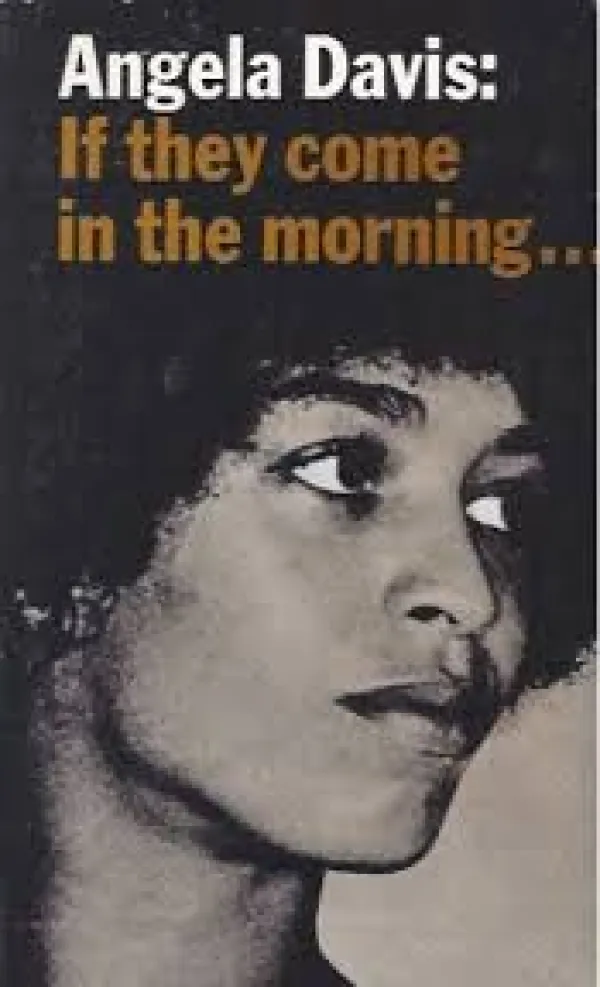
As the book editor for the Columbus Free Press, I am currently reading Jimmie Lee & James: Two Lives, Two Deaths and the Movement That Changed America, by Steve Fiffer & Adar Cohen. The book shines a light on two neglected deaths that occurred during the campaign for voting rights in the South. Jimmie Lee Jackson was a young African American man, a father, a deacon at his church and determined to be free in his lifetime. James Reeb, a white minister in the Unitarian Universalist Church, was a husband and father of four.
Reeb was one of the many ministers who had answered a call from the Southern Christian Leadership Conference (SCLC) to come to Selma and work in the campaign for African Americans’ voting rights. Their deaths, especially that of Reverend Reeb – white outrage trumps black lives every time – were the catalyst that moved President Lyndon B. Johnson to send a voting rights bill to Congress. Outside of the movement their deaths are little known, especially that of Jimmie Lee Jackson. Keep your eye on The Free Press for the review.
A diary is a book in which one keeps a daily record of events and experiences. Generally if read by someone other than the writer they would come away with an idea of who the person really is in their own words. They would learn the writers likes and dislikes, how and where they live and other personal information.
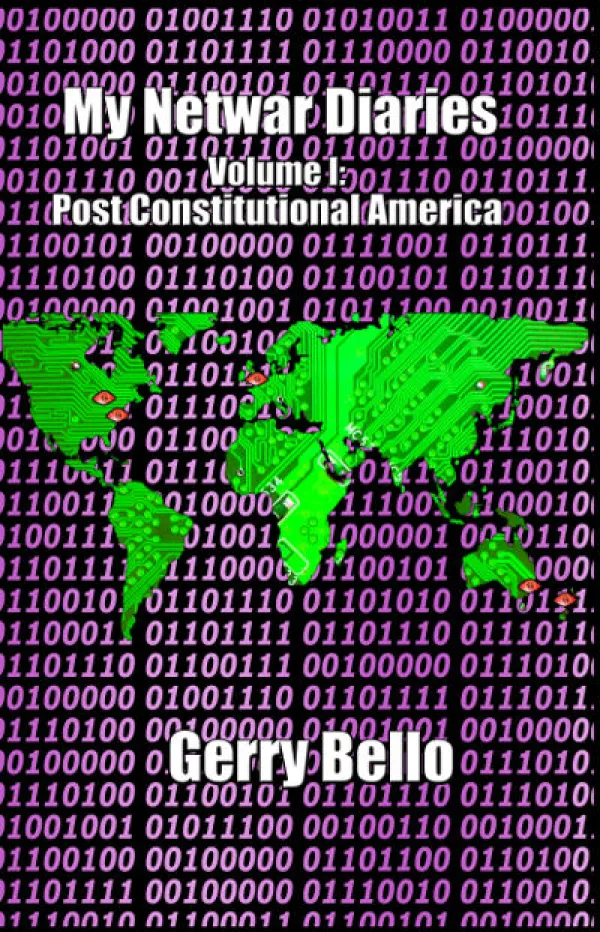
Gerry Bello gives you all of that and more in his recent book “My Netwar Diaries Volume 1: Post Constitutional America.” Bello starts off like all other diaries by telling the reader how he came to start writing his diary, or rather how he came to piece together in chronological order articles that have been written by him and other creditable journalist that deal with the very real threat of Netwar to American citizens, and people everywhere. The diary dates start from May 31, 2013 to May 27, 2014.
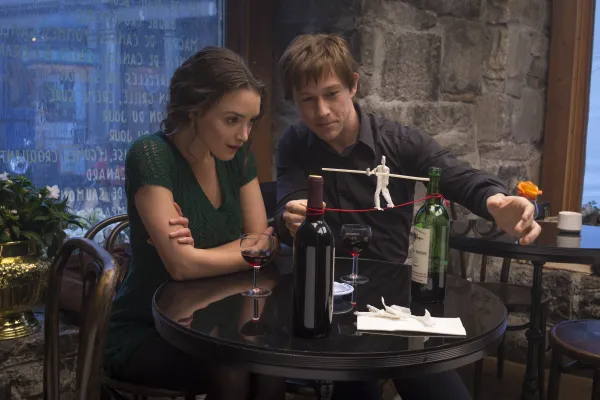
On Aug. 7, 1974, a Frenchman named Philippe Petit put on a show that was at once beautiful, dangerous and completely illegal.
With the help of collaborators, he sneaked up to the top of the yet-unfinished World Trade Center and strung a cable between the Twin Towers. Then, as dawn broke, he proceeded to put on a high-wire act a quarter-mile above the streets of New York.
Petit’s stunt was previously examined in a 2008 documentary called Man on Wire. Even if you’re lucky enough to have seen that fascinating flick, you won’t be disappointed by The Walk. Directed and co-written by Robert Zemeckis (Back to the Future, Forrest Gump), it explains just who Petit was and why he was so obsessed with conquering what were then the world’s tallest buildings.
Inevitably, Petit’s biography turns into a thriller of the first order. If you have the slightest fear of heights (and who doesn’t?), your palms will start sweating as soon as the ballsy Frenchman arrives on the South Tower’s 110th floor.

The publisher and editor of the Columbus Dispatch like to brag about what they consider sterling journalism in the newspaper and about all the awards it has won.
But when it comes to reporting news about their own shop, they travel the road of self-serving public relations, not journalism.
After leaving us to read reporter Tom Knox’s articles in Columbus Business First about $10 million in budget cuts and impending layoffs, the Dispatch broke its silence in mid-September with a “news article” and columns by publisher Jim Hopson and editor Alan Miller over a two-day span that disclosed that 63 non-newsroom employees had been laid off and hinted that journalists would be let go (I’ll guess 25) after the first of the year when the Dispatch moves much of its editing and design work to Austin, Texas, where parent GateHouse Media operates a centralized editing and design shop for its many newspapers.
Jobs lost, Governor silent
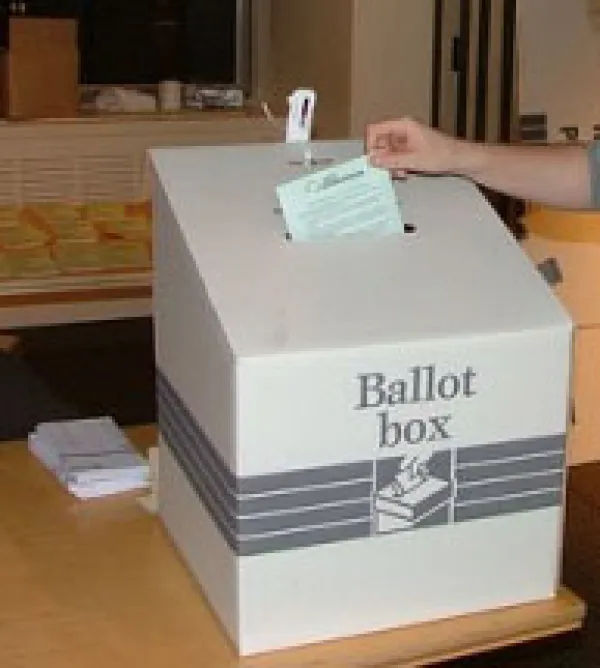
The Free Press told you so. Since 2000, this newspaper alone in Ohio has warned of the dangers of allowing private partisan for-profit companies to secretly count our votes. Former President Jimmy Carter calls our election system dysfunctional and says we have more of an oligarchy than a democracy in this country.
The chief reason why the U.S. election system fails to meet any minimum international standard of democracy is its “faith-based voting,” where people “push and pray” and hope their vote gets counted right. But they are usually voting on machines without paper trails.
Two recent events underscore the factual nature of this massive problem. The Brennan Center for Justice’s 2015 report entitled “America’s Voting Machines At Risk” is one of the best current compilation dissecting the vulnerabilities of our computer voting machines.

The Poindexter Legacy Committee (“PLC”), a project of the Coalition for the Responsible and Sustainable Development of the Near East Side (“CRSDNES,” or “the Coalition”) and the Poindexter Historic Advisory Committee, submitted on September 22nd a proposal for the repurposing and rehabilitation of the last two remaining historic buildings at Poindexter Village, the former public housing community on the Near East Side.
The owner, Columbus Metropolitan Housing Authority (“CMHA”) has held off on demolition of the last two buildings after community objection to the mass demolition of the historic complex – the first public housing community in the nation addressing housing needs for black Americans in the segregated 1940s. Its opening was attended by President Roosevelt, as he sought to help Americans recover from the Great Depression, and launched public housing as one means of improving the lives of Americans.

The Ohio State University endowment reached the $3.6 billion mark in 2014 and ranked 22nd out of 800-plus US public and private colleges and universities, this according to the National Association of College and University Business Officers.
The Ohio State endowment, or “Long Term Investment Pool,” is managed by both internal and external fund managers, and like many college endowments, is managed for the long-term with relatively low risk. The endowment’s yields for the most part are earned from global equity, hedge funds and real assets.
The endowment is heavily financed by the university’s current “But for Ohio State” campaign, the largest fund raising endeavor in university history, as over 230,000 donors in fiscal year 2015 contributed $405 million.
Any Buckeye alum will tell you the university has upped its game when it comes to soliciting donations for the endowment, as regular phone calls from Ohio State phone banks continue. And no doubt the endowment has helped the university pay for capital improvements, research and retaining top faculty.

Issue 1: Ohio Bipartisan Redistricting Commission Amendment
What’s the issue?
Issue 1 attempts to end the blatant partisan gerrymandering of Ohio’s state legislative districts.
ger·ry·man·der (ˈjerēˌmandər/), verb. Definition: gerund or present participle:
“gerrymandering” -- to manipulate the boundaries of (an electoral constituency)
so as to favor one party or class.
Issue 1 creates a redistricting commission, including members from the two major parties, that would redraw Ohio’s House and Senate districts. The plan requires that four out of seven members of the commission vote to approve a redistricting plan and one of the votes must come from the major party that is not in the majority on the commission. Essentially, Issue 1 gives Ohio’s major opposition party veto power to prevent unfair district rigging.
Pros and Cons
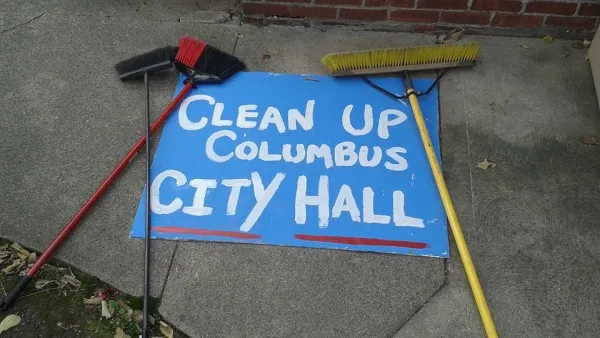
Columbus citizens need to be heard and represented.
• We need to take money out of politics and create a government that is responsive to its citizens.
• We need a Ward System so that citizens are represented in City Council
• We need a Community Review Board overseeing police activity on the city level.
• We will remain diligent and fearless and continue to make this the crisis that it is, confronting all city elected officials to ensure that this issue is front and center in the public sphere.
MONDAY - SEPTEMBER 28 - 5:00PM
Meet at Columbus CITY HALL (corner of Front and Broad St.)
JOIN US AND SPREAD THE WORD!! - PLEASE FORWARD THIS EMAIL AND INVITE FRIENDS ON THE FACEBOOK EVENT PAGE Facebook Event Page: https://www.facebook.com/events/824185194346580/