
News

USDA announces it will discontinue funding solar projects
The U.S. Department of Agriculture announced it will discontinue providing funds for solar and wind projects, through its Rural Energy for America (REAP) grant program. In recent years the USDA has provided over $4 billion to fund energy projects in rural and farming communities.
The Inflation Reduction Act (IRA) of 2022 added over $2 billion in funding for the program through Fiscal Year 2031. Post-IRA, over $1 billion in funds supported 6,822 projects from 2023 to 2025, contributing an estimated $2.75 billion to rural economic development.
The REAP grant program provides guaranteed loan financing and grant funding to agricultural producers and small rural businesses for renewable energy systems or to make energy efficiency improvements. The program was officially created in 2008 through the Farm Bill when Congress combined an energy efficiency program with one that focused on renewable energy.
The Ohio Coalition to End Qualified Immunity (OCTEQI) is advancing its historic citizen-led initiative to amend the Ohio State Constitution. After overcoming a prolonged series of administrative and legal battles, the campaign has now entered its critical statewide signature-gathering phase, aiming for placement on the November 3, 2026, general election ballot. The coalition is a unified effort of multiple civil rights and accountability organizations, led by the Heartbeat Movement Inc. The initiative’s Ballotpedia page can be viewed here.
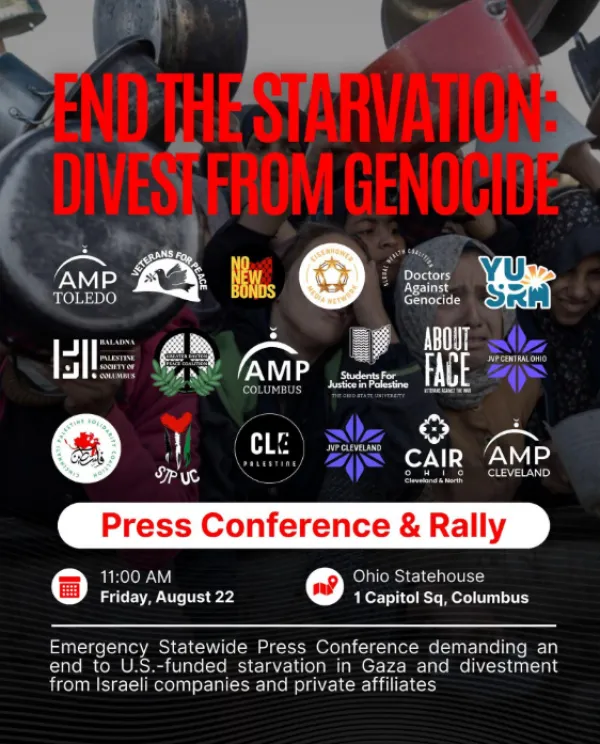
End Starvation. Divest Now
Residents of Ohio will hold a rally and press conference on Friday, August 22 at 11:30 AM outside the Ohio Statehouse to demand an end to the forced starvation in Gaza and Ohio’s investments in Israel Bonds and private affiliates.
● Gaza is facing mass starvation, and aid is being intentionally restricted
● Israel Bonds have dropped below investment grade—yet Ohio counties still buy
in
● Pending legislation (SB 87, HB 188) threatens to silence divestment campaigns
● Ohioans are saying
Friday, August 22, 2025 |
Rally begins 11:00 - 11:30 AM
Press Conference: 11:30 AM - 12:30 PM
Ohio Statehouse – 1 Capital Sq, Columbus
Speakers—including Gazans and those directly affected, veterans, lawyers, faith leaders, students, and healthcare workers—will call for divestment from entities
complicit in Gaza’s starvation and Israel’s war crimes.
The event follows rising public pressure on counties like Franklin for financially and ethically questionable investments in Israel.
This article first appeared on Ohio Capital Journal
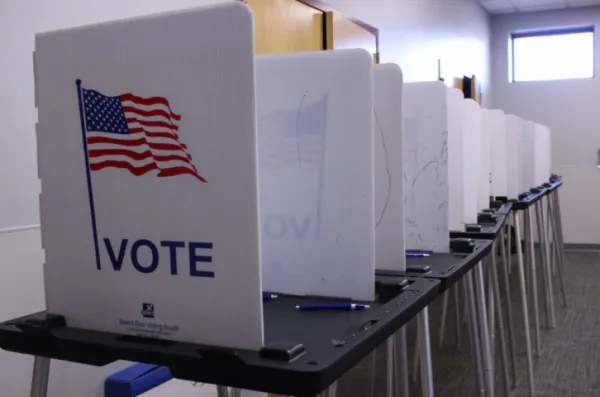
Buried in a March executive order from President Donald Trump is a provision that could cast doubt on voting machines in Ohio and around the country. The order directs federal officials to amend a set of security benchmarks for voting machines.

People gathered for the "End the Genocide. Stop the Starvation and Seige" protest at Schiller Park on Tuesday, July 29, 2025. The message was that Israel is trying to deflect global outrage by promising more aid, but we know the truth: starvation, blockade, and mass killing are not accidents. They are weapons of genocide. Even if trucks move tomorrow, this is not a solution. It’s a PR cover for genocide and the the world must not look away. The protest stopped at US Rep. Mike Carey's house to bring the message directly to him.
The Central Ohio Worker Center and the Ohio Federation of Teachers are co-hosting the first Central Ohio High School Collective Bargaining Day. At least ten unions and 45 students will come together for a day-long program to learn about unions and participate in a Collective Bargaining Simulation. The curriculum and materials for the program are provided by the DePaul University Labor Education Center, and the Northeast Ohio Worker Center has hosted a similar program the last two summers. Students will leave with hands-on experience negotiating a work contract, will learn about what rights they have as a worker, and will make personal connections with local union leadership. Columbus City Councilmember Rob Dorans will share opening remarks. Event registration is full.
Six weeks into Columbus’s self-declared “Summer of Safety,” the headlines are bloodier than the branding suggests. Two youth-involved mass shootings. A spike in gun seizures from teens. Millions of dollars spent—and still, no public accounting of whether any of it is working.
Columbus officials announced a historic $28.2 million investment in youth violence prevention this year. Yet despite repeated public records requests, direct interviews, and community testimony, it remains unclear how much of that money has been disbursed, who it has helped, and whether it’s had any impact on the escalating violence.
In Spring 2025, Mayor Andrew Ginther and Public Safety Director Kate McSweeney-Pishotti announced Columbus would allocate $28.2 million in federal and local funds for youth-focused summer programming. The stated goal: curb youth violence by investing in prevention, jobs, recreation, and mentorship.
“We have 112 programs that are receiving some level of funding, whether it be $5,000 or $500,000,” said McSweeney-Pishotti, in a July 10 interview with ABC6/FOX28 Columbus.
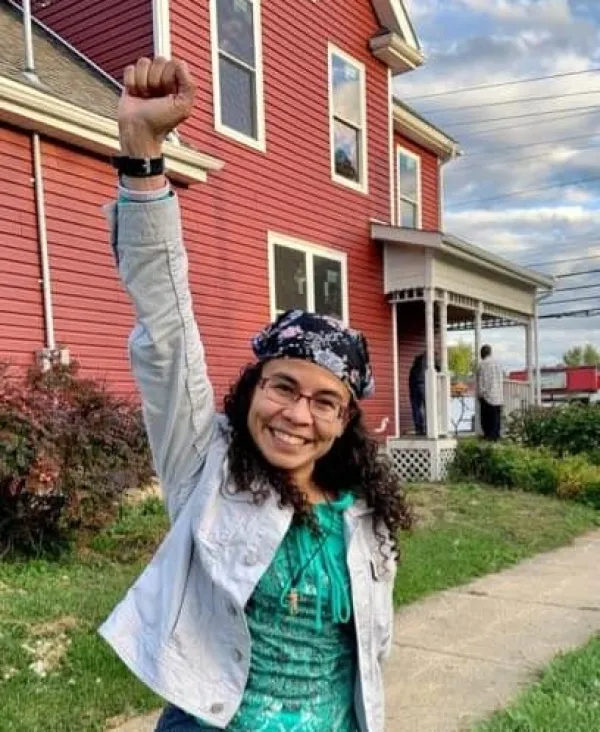
President Hardin, esteemed members of City Council, and fellow community members. Thank you for granting me an opportunity to speak before you tonight on harm reduction strategies for a healthier West Side through our compassionate client center and trauma responsive approach via 1DivineLine2Health Hilltop Drop-In Center. We are on frontlines serving those affected by human and drug trafficking. We serve their children and caregivers. An issue of immense importance to our city is the need to implement and advance effective harm reduction strategies as a cornerstone of our public health response towards substance use disorders. This is a subject that is often difficult to discuss but it is critical to the health, safety, and dignity of residents.
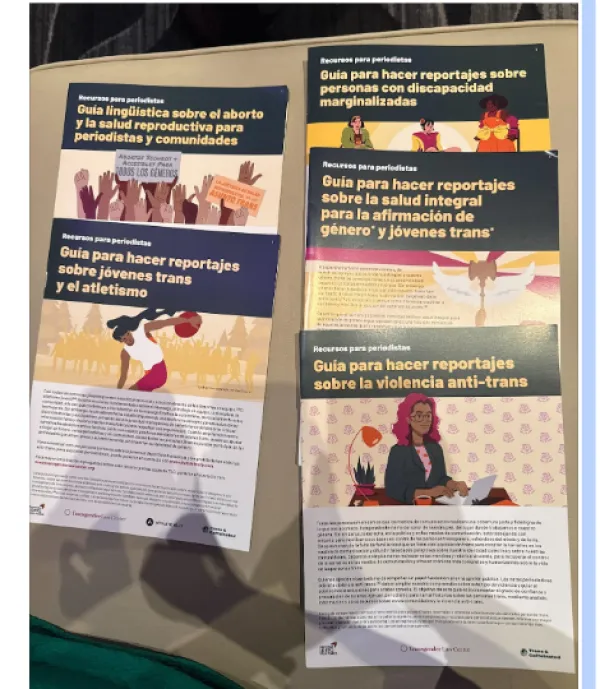
Every story deserves to be told accurately, compassionately, and thoughtfully—in every language. In a time when misinformation spreads rapidly and facts are routinely distorted, the Transgender Law Center (TLC) and the National LGBTQ Task Force remain committed to that core principle. That’s why we are proud to announce the release of our journalist guides in Spanish, a significant milestone in our work toward ensuring that Spanish-speaking reporters have culturally rooted, accessible resources to tell trans stories with dignity, nuance, and power.
This article first appeared on Simply Living.
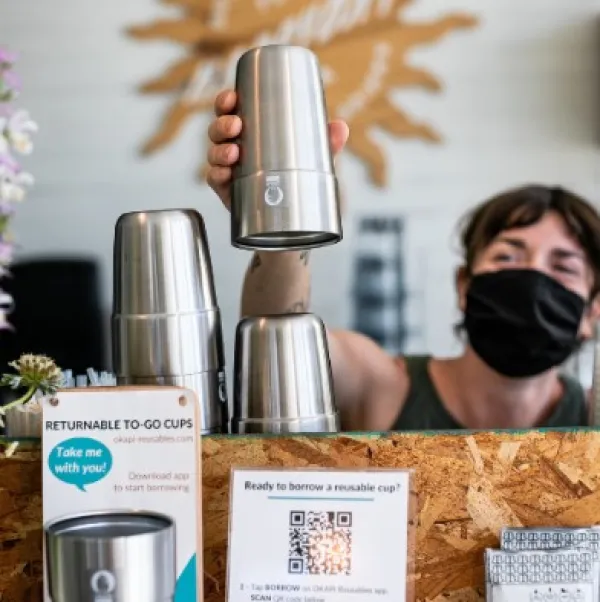
In honor of Plastic Free July, we thought we would highlight some helpful information for Central Ohioans who want to reduce their reliance on plastic. Whether you’re just getting started or looking to level up your plastic-free lifestyle, this guide has you covered.
In this article, you’ll find:
Easy plastic-free swaps to reduce waste at home, in cafés, and while shoppingWays to protect your health from microplastics and toxic plastic exposureIdeas for community action and local resources to support plastic-free living in Central OhioPlastics are used in a wide variety of ways and found in countless products. While they can be helpful and convenient, plastics are also harmful to the environment, to our health, and especially to our oceans.