Global
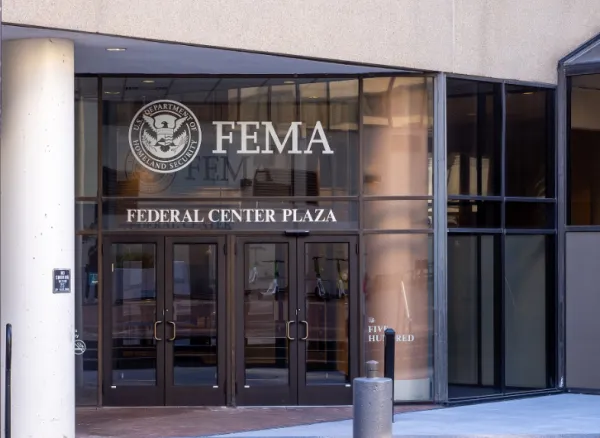
Hurricane Isaias is coming through the Gulf of Mexico and expected to make landfall as a category 3 storm somewhere near Pensacola, Florida. There are storm warnings in a large cone along the Alabama and Florida coasts. Earlier in the week, New Orleans was part of the prediction as the storm gathered. We filled up our vehicles and other gas tanks, shuttered windows and generally did hurricane-lite preparations, not really believing this was our time. There were the usual discussions about evacuation. Mi companera reported Natchez, Mississippi, one of our shelter points in the past, was already completely booked. I stayed out of the conversation, saying I would go to Arkansas, which I had to walk back silently after being accused of deserting the family. Near the Pearl River and Bayou where I sit, raised nine-feet, I made sure the canoes on the dock were tied down tightly. The water was licking the top of the ladder off the pier, higher than usual as wind pushed more out of the Gulf.
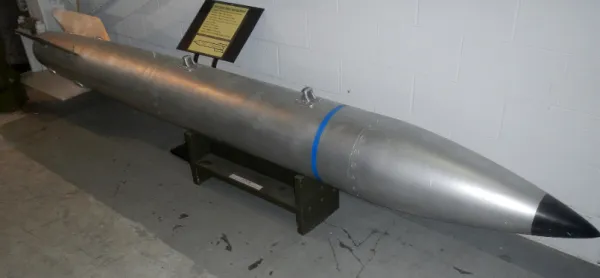
Below is a declaration against US authorizing the use of low-yield nuclear weapons on the battlefield.
The declaration has been initiated by Luigi Mosca as a member of the ‘Abolition des Armes Nucléaires - Maison de Vigilance’ association, and in close cooperation with 'Mouvement de la Paix', both associations being partners of ICAN. It has also been signed by ‘IDN (Initiative pour un Désarmement Nucléaire)’ and 'Pugwash France’.
We welcome you to sign this declaration as organisations/movements or as individuals. Please forward your signature to be added to the declaration to Ulla Klötzer, Women for Peace - Finland: ullaklotzer@yahoo.com
Deadline October 30,2026.
Declaration (October 8, 2026)
US Pentagon Authorizes Use of Low-Yield Nuclear Weapons on the Battlefield!
It was another horrific week in Washington with President Donald Trump actually succeeding in coming out with an apparently improvised comment that equaled or maybe even exceeded his ghastly performance at the United Nations where he speculated over whether he should “annihilate” Iran and drive it back into the Stone Age. It would seem that ninety plus million dead Persians would satisfy Donald’s blood lust when it comes to killing innocent civilians, but the latest musing by our beloved leader had him addressing a campaign rally in Nebraska, where he appeared to be declaring that he might well consider wanting to continue the war against Iran even if the price to pay from the Iranians were to be retaliation consisting of eliminating some of our cities. He said “It’s a small price to pay for keeping the world safe, for keeping our country safe, and it’s going to be over with very soon. Let ’em take out Los Angeles, let ’em take out San Diego.”
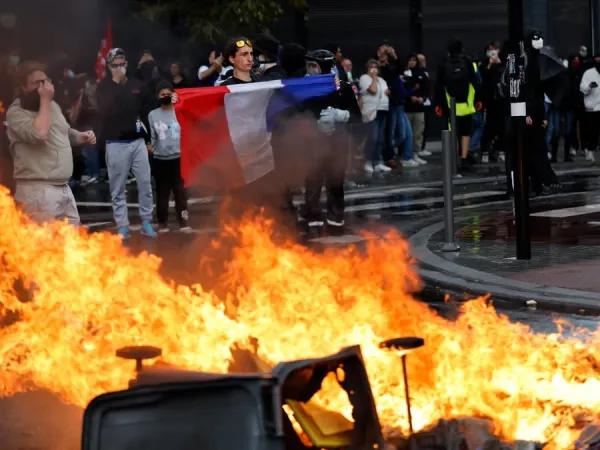
Mon dieu! Quel bordel, as say the French. France, the home of reason and logic, is consumed by riots. How can a nation with such advanced education be in such a mess?
Some two thirds of its 3,700 high schools are now closed, and many are put to the sack. It’s as if the barbarian Vandals have reappeared from the Fifth Century to lay fire and sword on France.
French students are whining their classrooms are too old or decrepit. Their teachers too few, their classes, averaging over 30 students, too large. Some express worries that there may not be enough comfy jobs when they graduate from university.
Poor French teenage babies. I advise these suffering youth to turn to the great French stoic philosopher Michel de Montaigne for comfort and guidance. Just imagine you were studying in the ruins of Gaza, amid all the destroyed buildings and crumbling concrete. Breathing in the stench of buried decomposing bodies, without adequate food or medicines.

A 34-year-old Jordanian American man, Mohammad Faiq Al-Hashaisheh, known as “Abu Fares,” was shot and killed inside his tobacco shop in Chicago a week ago, after reportedly refusing to sell cigarettes to a 17-year-old customer who would not provide identification. According to reports cited by Gulf News, the victim was killed after attempting to enforce age restrictions on tobacco sales.
Chicago has frequently made national headlines for violent crime, particularly homicides. In 2024, the city reported 573 homicides in a population of approximately 2.7 million, according to Al Jazeera.
Incident Details
According to the victim’s family, a 17-year-old boy entered Mohammad’s shop seeking to purchase cigarettes. Mohammad reportedly refused the sale because the customer was underage and asked him to provide identification.
The teenager allegedly left the shop but later returned armed with a handgun. He reportedly shot Mohammad, striking him in the throat. Mohammad succumbed to his injuries shortly afterward.
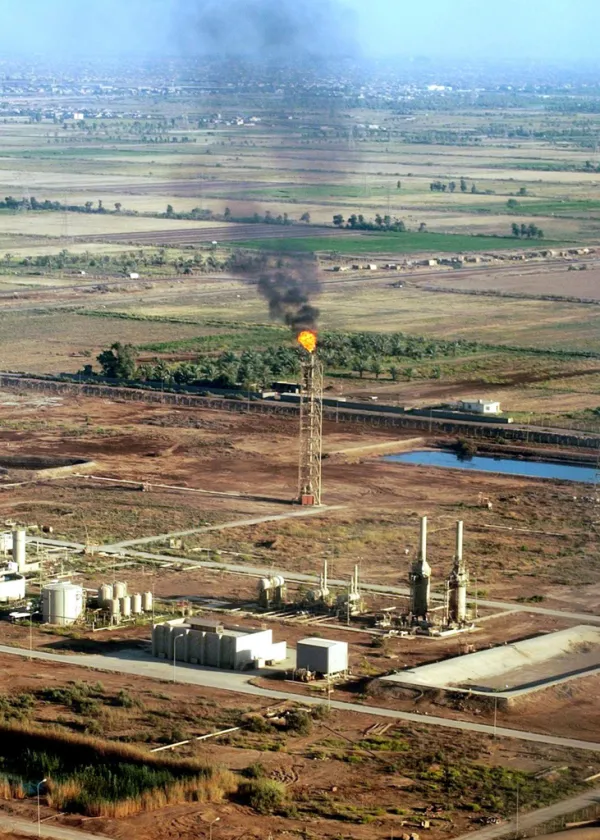
In 2003, George W. Bush’s administration invaded Iraq and overthrew Saddam Hussein on the pretext that his regime possessed and was developing weapons of mass destruction that posed a grave threat to the United States and the world. Those weapons were never found. As the war dragged on, the original justification became increasingly difficult to defend, and the argument gradually shifted toward a different narrative: that America had gone to Iraq to liberate its people, overthrow a dictatorship, and transform Iraq into a democratic and stable country.
On Wednesday, September 30, 2026, the U.S. military announced the completion of its troop withdrawal from Iraq, more than 20 years after invading the country and toppling Saddam Hussein. Sadly, after 23 years, Iraq is neither the functioning democracy that the American intervention promised to create nor a fully sovereign nation free from the continuing influence and military presence of outside powers.
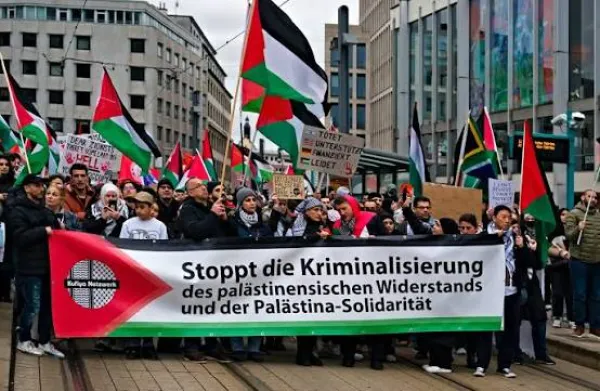
Let’s start with the good news. The Office of the UN High Commissioner for Human Rights has added 61 companies to its database of businesses involved in activities linked to illegal Israeli settlements, expanding the list from 158 to 214 companies.
Why is this good news? Because it further illustrates a degree of seriousness within the international community to move its position on Israel from the realm of language to that of action.
Yet more good news: five previously listed companies were removed after the Office determined that their involvement in the relevant activities had ended.
This matters because it suggests that the mechanism can work: sustained scrutiny can influence corporate behavior, and supporting Israel’s illegal occupation of Palestine can carry a price.
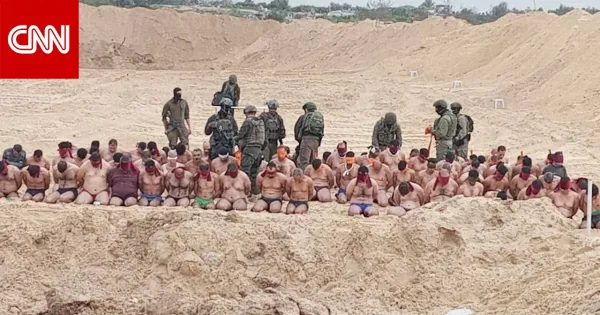
Today, I was stunned by a shocking video reportedly showing an Israeli soldier displaying Palestinian children who were cuffed and blindfolded, accompanied by the caption: “For sale: 2 for 100, 3 for 75 shekels.”
The video was reported by Al-Quds Al-Arabi in June 2026, which described the children as detained and apparently being held at an Israeli concentration camp.
For readers unfamiliar with the Israeli currency, 100 Israeli shekels is roughly $33 in U.S. currency. But the monetary value is almost beside the point. The disturbing message conveyed by the caption is the suggestion that human beings—children, no less—can be reduced to commodities with a price tag.
Whether the caption was intended as a sick joke, an attempt to humiliate the children, or something more sinister, the dehumanization depicted in the video is horrifying. No child should ever be treated this way. No child should be cuffed, blindfolded and displayed for someone’s amusement.
And that raises a much larger question: Where is the accountability?