
Global
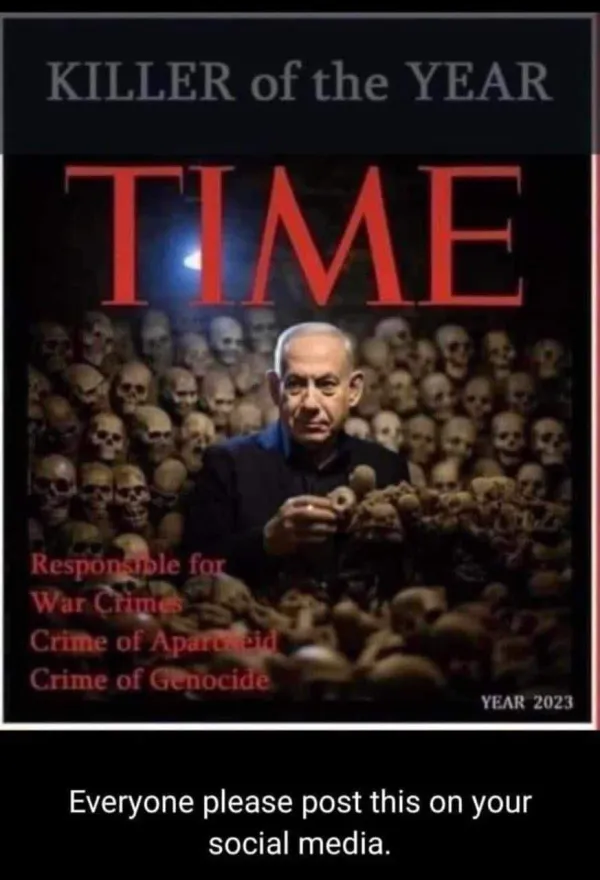
Well friends, the verdict is in! If you are opposed to Israel’s slaughter of something like forty thousand Palestinians, mostly women and children, or the clearly enunciated plans by that nation’s government to ethnically cleanse the rest of historic Palestine, making the developing Eretz or Greater Israel a legally Jewish state, and are prepared to protest or speak up about it, then you are an antisemite Jew-hater and probably even a holocaust denier. If you are a student demonstrating against the slaughter you are increasingly being referred to by talking heads and the media as a pro-Hamas terrorist. That you must be condemned and sanctioned or even criminalized as a consequence of the labels is only fair in a country that apparently has come to believe that Jews and Israel, uniquely, cannot be criticized due to their cited ad nauseam victimhood and their anointment by God no matter what the First Amendment to the US Constitution relating to freedom of speech might say.
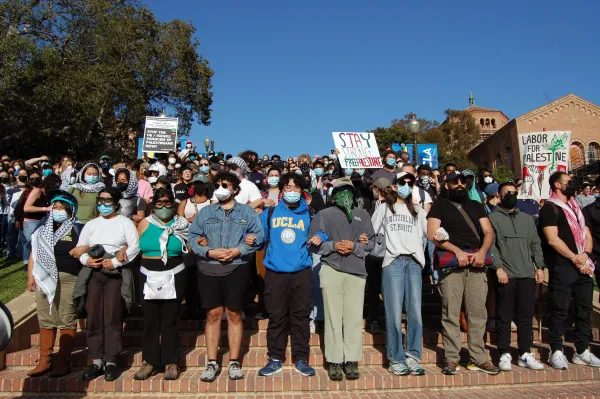
“Biden Biden, Whattaya Say? How Many Kids You Kill Today?”
This was one of the militant chants of hundreds of students on May 1 at UCLA. I went to the university after covering the May Day rally in Hollywood, arriving around 4:00 p.m., and this is what I witnessed at the frontlines of the class struggle in Westwood:
I made my way on foot across the sprawling campus towards the epicenter of the unfolding action, the UCLA Palestine Solidarity Encampment, led by Students for Justice in Palestine and UC Divest Coalition at UCLA. The first thing I noticed was the sound of helicopters hovering overhead and a heavy security presence. The latter included the LAPD, the LA County Sheriff’s Department, California Highway Patrol, UCPD and CSC, a private firm specializing in crowd management. Upon reaching Dickson Plaza, the rather large area was cordoned off with metal barricades.
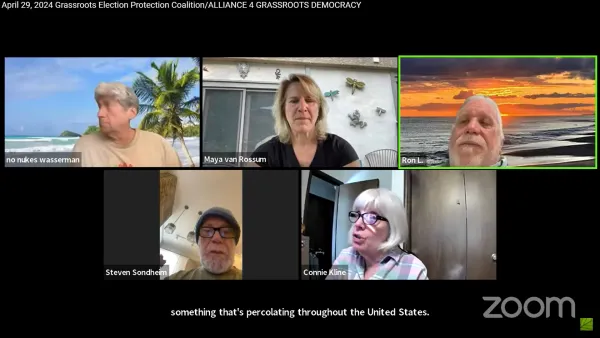
Linda explains that the extreme heat, pressure and radiation inside a nuclear reactor have embrittled Reactor Pressure Vessels, robbing nukes everywhere of their braking systems…rendering them all vulnerable to the next apocalyptic explosion.
As Linda says, we have far more battery storage in California than Diablo produces….so who needs nukes? Answer: NOBODY!!
MIKE THALLER of Progressive Democrats of America tells his personal horror show of what the San Diego utility has done to his electric bill (hint: it’s not pretty).
Ohio’s CONNIE KLINE tells us about the gargantuan pro-nuke bribery fire still melting the Buckeye State.
Green power pioneer RON LEONARD gets us to the solar nitty-gritty.
MAYA VAN ROSSUM tells us how Green Amendments can help shut the nuke industry.
STEVEN SONDHEIM offers his wisdom on saving the planet.
VINA COLLEY of southern Ohio warns us against the dangers of reviving the Piketon enrichment facility, which has “killed so many people in the community.”
VINNIE DE STEFANO gives us an update JULIAN ASSANGE just as Joe Biden has extolled freedom of the press at the National Correspondents Dinner.
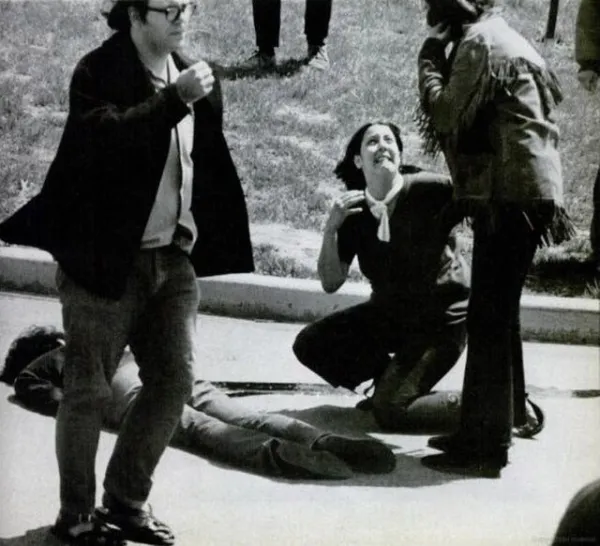
Peaceful protest, violent response – that says it all.
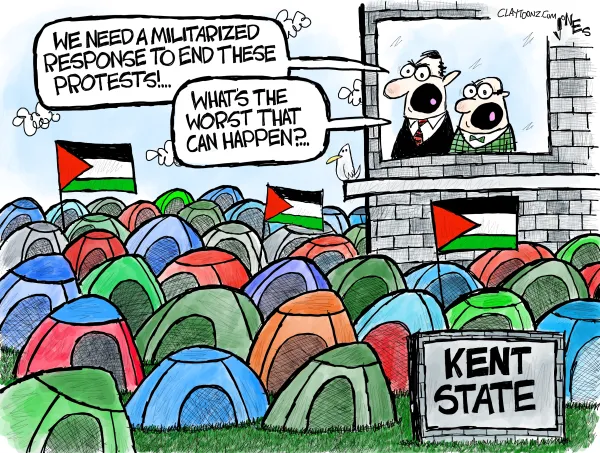
Human politics – from global to local – remain mixed with hatred, dominance and . . . well, dehumanization. We’ve organized ourselves across the planet around one primary principle: the existence of an enemy. The division between “us” and “them” can be based on anything: a difference in race, language, culture – or simply a difference of opinion, which is beginning to happen on campuses across the country, as peaceful, intensely determined protesters, demanding their institutions divest from the Israeli war machine, face violent resistance from police and/or counter-protesters.
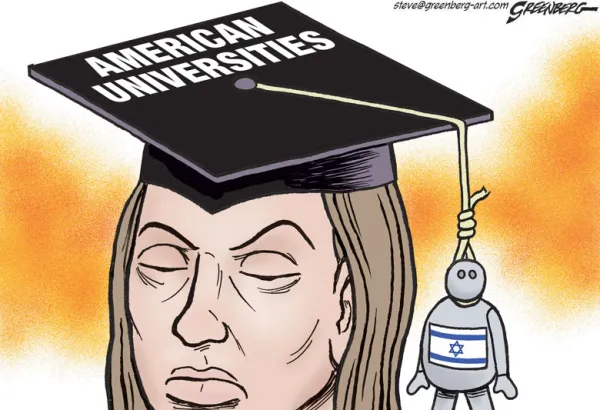
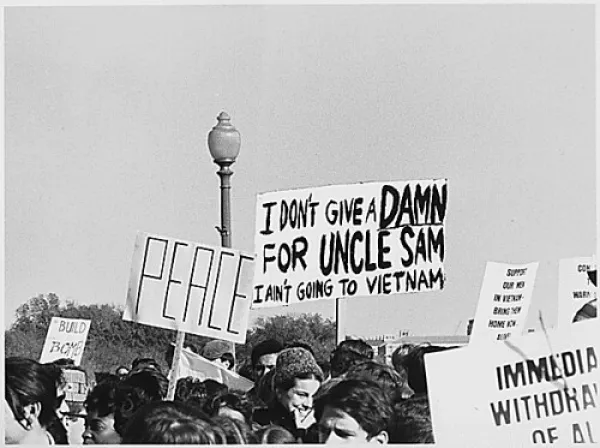
The mass protests at dozens of US universities cannot be reduced to a stifling and misleading conversation about antisemitism.
Thousands of American students across the country are not protesting, risking their own futures and very safety, because of some pathological hate for the Jewish people. They are doing so in a complete rejection of, and justifiable outrage over the mass killing carried out by the state of Israel against defenseless Palestinians in Gaza.
They are angry because the bloodbath in the Gaza Strip, starting on October 7, is fully funded and backed by the US government.