
Global

“Renee sparkled. She literally sparkled. I mean, she didn’t wear glitter but I swear she had sparkles coming out of her pores. All the time. You might think it was just my love talking but her family said the same thing. Renee was made of sunshine.”
The words are those of Renee Good’s wife Becca. They cut to our heart – our humanity. She was shot in the face by an ICE agent, who then muttered: “Fuckin’ bitch.” The murder of this 37-year-old mom as she tried to drive around the ICE guys who stopped her is national news, of course. Almost everyone has seen at least one of the many videos of the incident and, you might say, the national dialogue about virtually anything else has been put on hold.
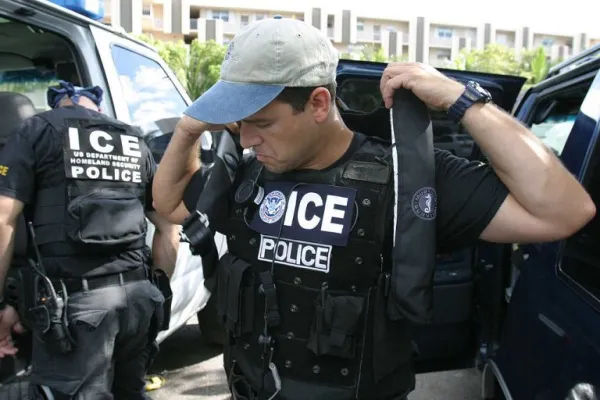
Immigration and Customs Enforcement (ICE) has arrested, detained, deported, and/or imprisoned many people that it has unilaterally determined to be undesirables. At first, they claimed they would deport only criminals, but it has already gone beyond that. We at the Free Press consider every person who has been sent to the Tecoluca (El Salvador prison), Guantanamo naval base, or detained in other prisons throughout the country to be innocent until proven guilty. We will include students who have been expelled for protesting genocide. It appears the government will revoke Visa's to get rid of undesirable students. This article will be updated as long as is necessary.
Love and cherish our world. That’s the secret to remaining both (A) deeply happy and (B) well-informed about the dystopian abuses of the empire.
You don’t have to choose. You can have both.
I sometimes get called a Debbie Downer for my nonstop writing about all the evils that are being inflicted upon our world by powerful people every day, but readers who meet me or listen to my podcasts have often expressed surprise at how upbeat and cheerful I am in real life. They see me focusing on extremely dark subject matter day after day and expressing rage and revulsion at the horrors we are witnessing, so they expect me to show up as some kind of dour, jaded misanthrope.
But the truth is I am a very happy person. I don’t generally mention it because this writing project isn’t about me, but my overall experience of life from moment to moment is one of awe, wonder and delight. I experience the full range of emotions and I get my heart ripped out of my chest by Gaza just like anybody else, but after feeling my feelings all the way through I return to marveling at this astonishingly beautiful planet we get to walk around on.
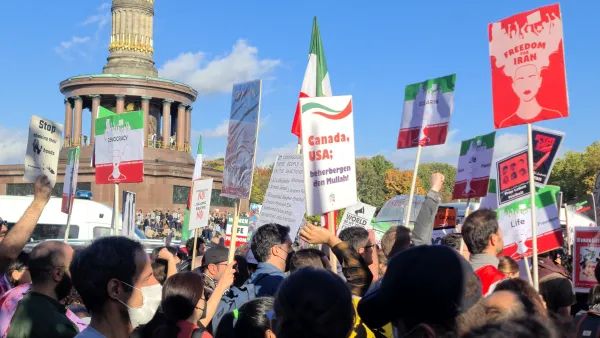
In my previous article, I argued for an international ban on the death penalty, regardless of the crime alleged or the circumstances of the conviction. Iran offers one of the starkest demonstrations of why such a ban is necessary. Iran's extraordinary use of capital punishment is not simply a story about crime, religion, or political repression. It is the product of something more consequential: a state in which the death penalty is deeply embedded in the legal system, readily available to prosecutors, weakly constrained by judicial safeguards, and increasingly useful to an authoritarian government seeking to intimidate and control its population.

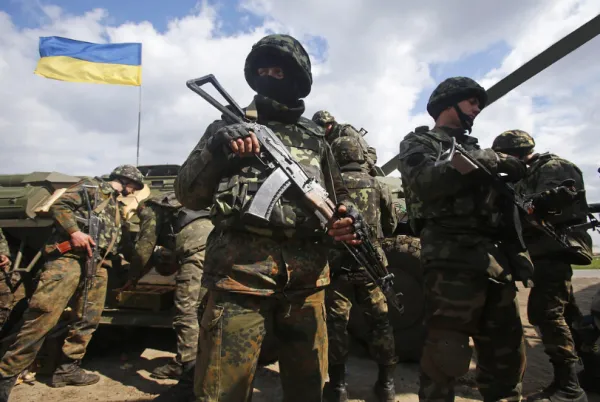
Russia’s 2022 illegal invasion of Ukraine outraged the world. Imperialist Russia had no good reason for violating the sovereignty of a much smaller country, and the world’s response was to “stand with Ukraine” with military aid. This appears to be a just cause in defense of democracy and freedom. In reality, it is a dangerous war that could end in nuclear annihilation. Few are explaining that connection to the public. We must understand the real causes of this war, and overcome our hostility to Russia, if we hope to get out of it alive.
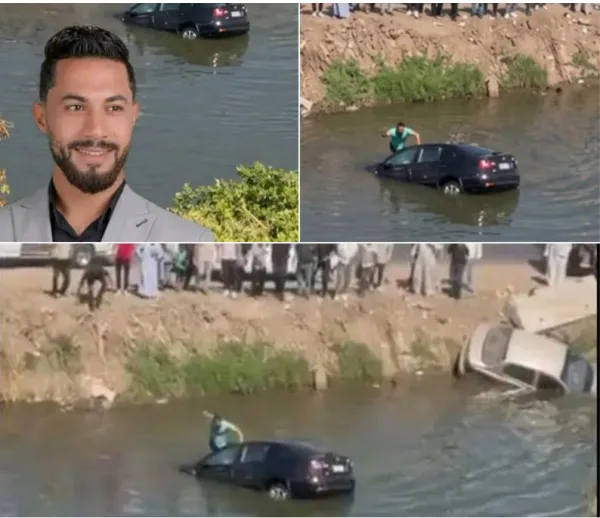
Sometimes, an ordinary person is placed in an extraordinary situation, and what he does in those few critical moments reveals more about his character than a lifetime of words ever could.
That is what happened in Gharbia Governorate, Egypt, on July 19, 2026, when a car plunged into the Al-Qased Canal in Tanta with an entire family trapped inside. As the vehicle sank, Ahmed Magdy Nada El-Banna did not stand by and watch. He jumped into the water and risked his own life to help save the family.
The dramatic rescue was captured on video and widely shared on social media, prompting many Egyptians to call for the rescuers to be recognized for their courage and selflessness. The incident also became a powerful example of shahama—the Egyptian ideal of courage, generosity, and coming to the aid of someone in danger.
What Exactly Happened?
Ahmed was on his way to work when he witnessed a private car veer off the road and plunge into the Al-Qased Canal in Gharbia Governorate. Inside the vehicle were a father, a mother, and their young daughter, all suddenly fighting for their lives as the car began to sink.

When analyzing headline-grabbing national news, it is easy to view these events as isolated incidents happening elsewhere. But as decentralized, independent media—the Fifth Estate—our responsibility is to strip away corporate news noise, bypass institutional gatekeepers, and ask the direct question: How does this power dynamic directly impact everyday working families in Ohio? From severe accountability failures in municipal halls to institutional shifts in the military and geopolitical games driving global energy markets, a clear thread emerges. Unchecked institutional authority and geopolitical speculation continuously shift costs, burdens, and vulnerabilities onto everyday citizens.
The Local Price of Oversight Failures
The recent 23-count federal indictment against former Hanahan, South Carolina City Councilman Kevin Hedgpeth—alleging child sex trafficking, exploitation, and coercion across multiple digital platforms while he served in local office—serves as a grave reminder of what happens when public figures operate without rigorous oversight.
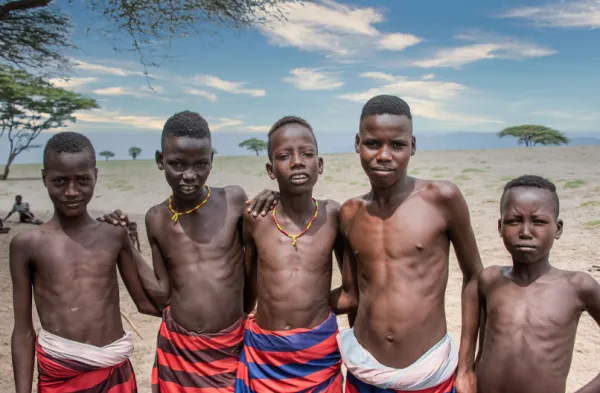
Starvation is a particularly cruel and horrible way to die. Beginning with intense hunger and pain and followed by exhaustion and mental deterioration, starvation continues with the body gradually consuming its own tissues on a downward spiral toward death.
The major safeguard against mass starvation around the globe is the World Food Program (WFP), which received the Nobel Peace Prize in 2020 for its vital humanitarian work. With hundreds of millions of people in jeopardy thanks to poverty, famines, violent conflict, and extreme weather, this UN agency distributes massive quantities of food aid―last year alone, reaching more than 100 million people facing acute hunger―thereby saving millions of lives.