
Global
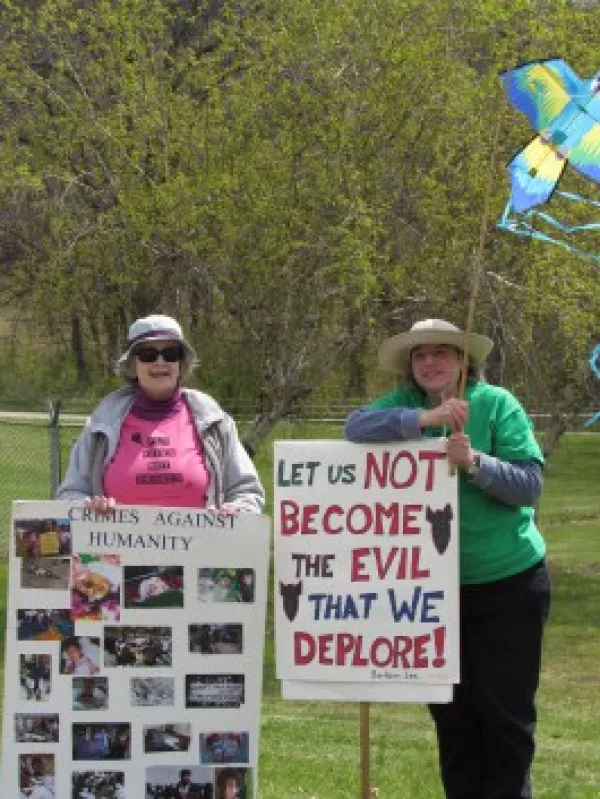
Wisconsin Coalition to Ground the Drones and End the Wars has held monthly vigils against drones at the gates of Volk Field for over five years. This Wisconsin Air National Guard Base is a critical component of the whole drone warfare program being conducted by the US government in a number of countries in the Middle East and Africa. At Volk Field personnel are trained to operate the RQ-7 Shadow Drone, which has been used for reconnaissance, surveillance, and target acquisition. However, now there is the likelihood that the RQ-7 is also weaponized.

How devastating would the Republican health care legislation be if enacted?
Leighton Ku, a leading health care expert and director of director of the Center for Health Policy Research at the Milken Institute School of Public Health at George Washington University, told NBC that, based on the Republican House bill, cuts in funding for Medicaid and health subsidies would trigger “sharp job losses and a broad disruption of state economies.”
“Within a decade, almost a million fewer people would have jobs,” he added. “The downturn would hit the states that expanded Medicaid the hardest.” That includes West Virginia, Ohio and Pennsylvania.
This job loss wouldn’t be offset by the effects of top-end tax cuts. If the wealthy do create any jobs — which is far from likely — they won’t be located in the states and communities ravaged by the cutbacks in hospitals, clinics and nursing homes.

The Persian Gulf nation of Qatar has been held in a weird kind of hostage situation since June 5. That’s when Saudi Arabia, the United Arab Emirates (UAE), and a few other countries decided to try to isolate and manipulate Qatar by cutting diplomatic relations and imposing an embargo and something of a blockade. A blockade is, by definition, an act of war, but the blockaders didn’t actually declare war, or send troops, or even make a clear statement of casus belli at the time. Qatar has long been a scapegoat for hardliners devoted to regional stability on their own terms only.
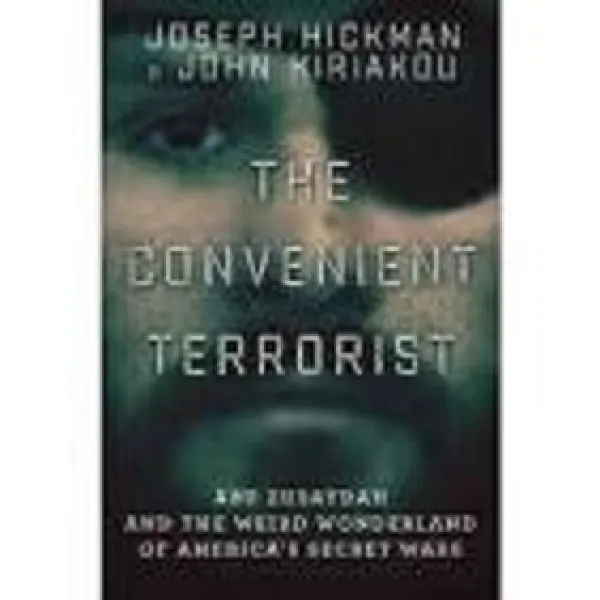
John Kiriakou led the CIA operation that arrested, or rather, kidnapped without charge, Abu Zubaydah. Joseph Hickman helped imprison Abu Zubaydah as a guard at Guantanamo and was later the lead researcher for Zubaydah’s habeas defense team.
Here are some highlights of a tale of crackpot criminality recounted by Hickman and Kiriakou in their jointly authored new book, The Convenient Terrorist:
Maher Abu Zubayda and Zain Abidin Mohammed Husain aka Abu Zubaydah are two completely different people. They and many other people use the name Abu Zubayda, with various spellings in English transliterations from Arabic. The Zubaydah family was evicted from a Palestinian village during the Nakba. The CIA, employing more torturers than Arab speakers, confused the two Zubaydahs. When the basic facts that the CIA had about the life of the man it imprisoned and tortured turned out to all be wrong, the CIA paid no attention.

America serves up its news in a caldron from hell, or so it sometimes seems. The fragments are all simmering in the same juice: bombs and drones and travel bans, slashed health care, police shootings, the Confederate flag.
Double, double, toil and trouble . . .
Suddenly I’m thinking about the statues of Confederate generals taken down in New Orleans, the Confederate flag yanked from the state capital in Charleston, S.C. . . . and the secret flag the authorities can’t touch. Ray Tensing was wearing such a flag — a Confederate flag T-shirt — on July 19, 2015, while he was on duty as a University of Cincinnati police officer. That afternoon, he pulled over Samuel DuBose because of a missing front license plate. Less than two minutes into the stop, DuBose — a dad, a musician, an unarmed black man — had been shot and killed.
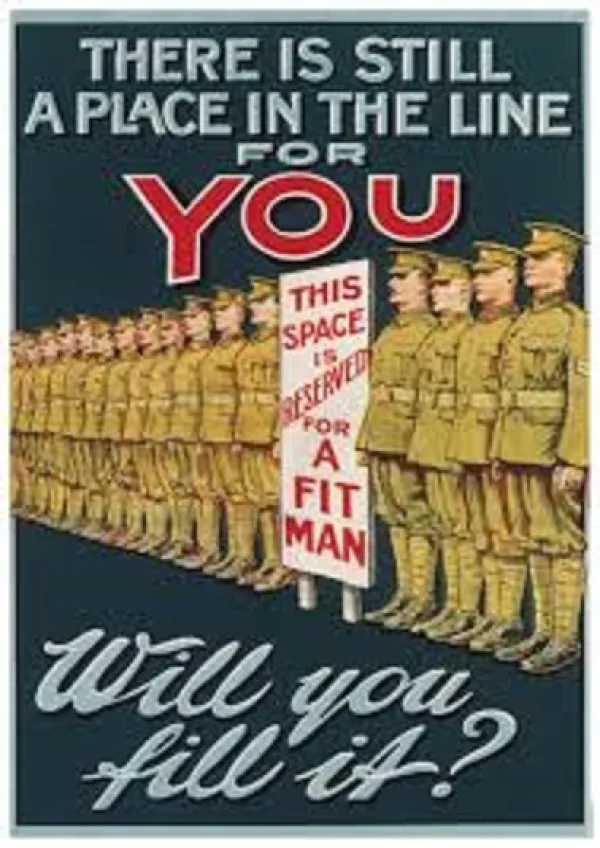
The idea that the United States has a problem with war propaganda is typically scratched in a bad-apples manner with a story that the U.S. has set up a new propaganda agency, such as the Global Engagement Center, or hired a company, such as the Lincoln Group, to plant articles in foreign media. Or we’ll read a report that former generals are secretly picking up their talking points from the Pentagon and their income from weapons companies while appearing as objective commenters on television. Or occasionally we’ll hear the recognition that some particularly obvious or disproven set of lies (such as those regarding Iraq in 2003) were the result of a well-meaning slip-up.
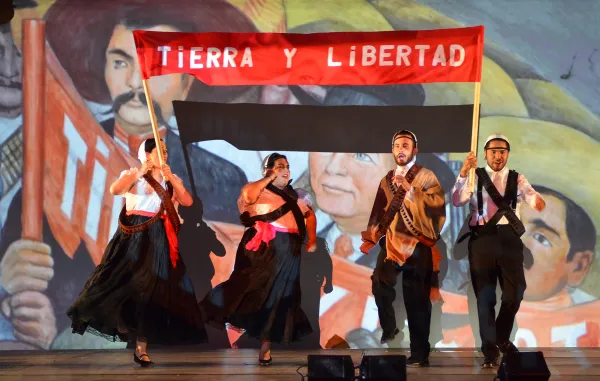
With Robert Xavier Rodríguez’s Frida Long Beach Opera has presented its second socially conscious, 21st century bio-op premiere of the season, solidifying its stature as a cutting edge operatic force to be reckoned with. LBO’s first biographical opera was composer Philip Glass and librettist Rudolph Wurlitzer’s highly critical look at the beloved Walt Disney (baritone Justin Ryan), The Perfect American - who as the scathing opera showed, with flaws and all, was anything but. While the latter enjoyed its U.S. debut at LBO, Frida had its SoCal premiere courtesy of LBO. Interestingly, both of these real life historical figures - animator and theme park innovator “Uncle Walt” and Mexican painter Frida Kahlo (Puerto Rican mezzo-soprano Laura Virella) - are icons in Southern California.
In keeping with its concern for cinema’s and society’s underdogs, LAFF presented a series of “Diversity Speaks” discussions to “shine the spotlight on underrepresented voices” at the Kirk “I’m Spartacus!” Douglas Theatre in Culver City, June 17-18. According to LAFF program notes, they included:
Filmfest’s often include a stinkeroo, and Opuntia is arguably LAFF 2017’s most-must-miss movie. In his defense, writer/director David Fenster’s 60 minute pseudo-doc does have some interesting things about it. Opuntia (which translates as “prickly pear”) is a movie meditation on 16th century Spanish explorer Álvar Núñez Cabeza de Vaca and his peregrinations across much of what whitey now calls America. So viewers can learn a bit of history and particularly, in keeping with LAFF’s multi-culti leanings, about this European’s early contact with our continent’s indigenous people.
Fenster’s film form is also interesting as he attempts to combine the documentary with the poetic in an effort to create what LAFF’s program guide dubs a “visual essay.” But in doing so, Fenster fails to create either a doc per se (although he does use actuality footage) or a motion picture poem. Many of his interview subjects are inherently incredible airy fairy New Age types - to give you an idea of Fenster’s fringe fixations, he previously helmed cinema about Sasquatch called Bigfoot Museum (methinks the name says it all).