
Human Rights
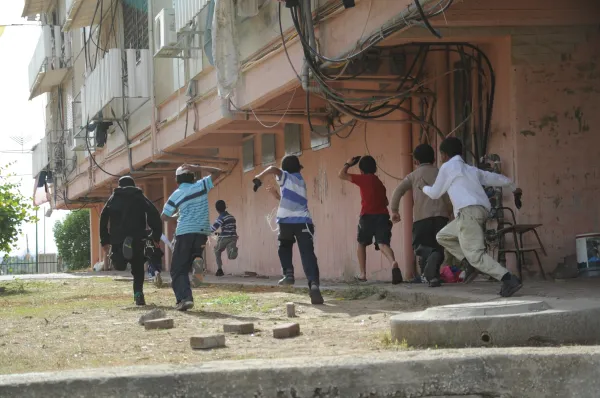
At the outset, the Israeli military decision to revise its open-fire policies in the occupied West Bank seems puzzling. What would be the logic of giving Israeli soldiers the space to shoot more Palestinians when existing army manuals had already granted them near-total immunity and little legal accountability?
The military’s new rules now allow Isreali soldiers to shoot, even kill, fleeing Palestinian youngsters with live ammunition for allegedly throwing rocks at Israeli ‘civilian’ cars. This also applies to situations where the alleged Palestinian ‘attackers’ are not holding rocks at the time of the shooting.
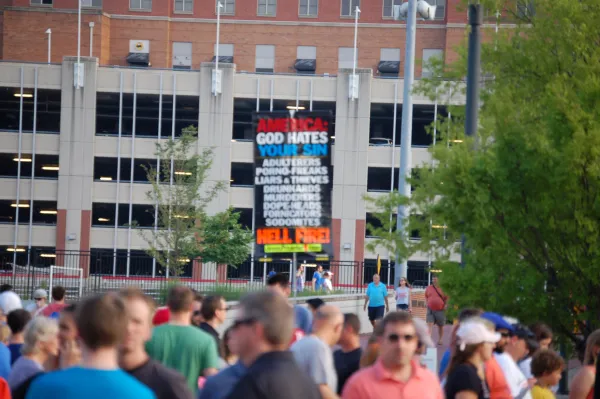
The result of a vote, on December 14, in the US House of Representatives regarding the combating of Islamophobia, may, possibly, appear to be a positive sign of change, that Washington is finally confronting this socio-political evil. However, conclusions must not be too hasty.
Disquietingly, Congress was nearly split on the vote. While 219 voted in favor of the resolution, 212 voted against it. What is so objectionable about the resolution, which was introduced by Rep. Ilhan Omar, that prompted a ‘nay’ vote by such a large number of American representatives?
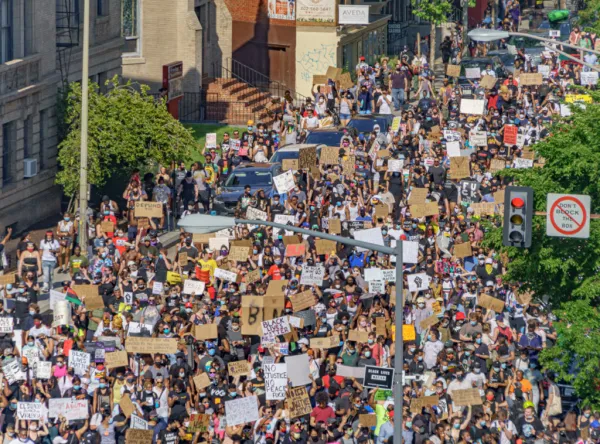
Top U.S. officials want us to believe that the Pentagon carefully spares civilian lives while making war overseas. The notion is pleasant. And with high-tech killing far from home, the physical and psychological distances have made it even easier to believe recent claimsthat American warfare has become “humane.”
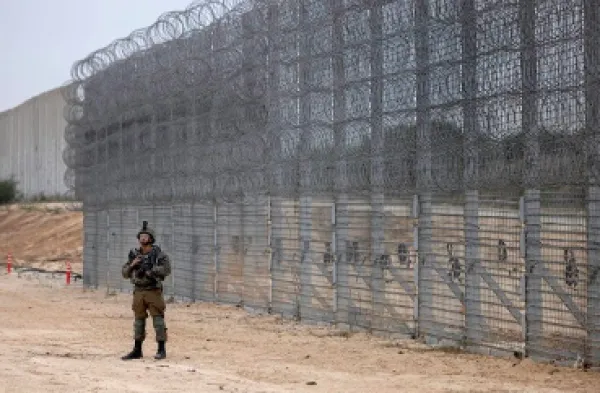
The biggest news story over the past few weeks has been the continued exposing of the Israeli military’s use of dirty tech to surveil Palestinians, and the extent to which Israeli-made spyware is used globally by oppressive governments. As JVP Executive Director Stefanie Fox points out in her latest newsletter Every Single Phone Call: What Israeli Spyware Reveals about the US-Israel Alliance: “Right after the Israeli Defense Ministry criminalized six of the leading Palestinian human rights and civil groups by designating them “terrorist organizations,” news broke that the phones of multiple Palestinian human rights defenders were infected with Pegasus, the military-grade spyware created by the Israeli company NSO Group.
On the very same day, another investigation revealed the Blue Wolf and White Wolf Initiatives, an extensive network of technology used by both Israeli soldiers and settlers to collect and record photos of Palestinians that are fed into a massive facial recognition database.

The decision by several governments across the globe to institute travel bans on seven African countries, starting on November 27, due to the discovery of a new Covid-19 variant, Omicron, was perceived to be hasty in the eyes of some and fully justifiable on medical grounds, in the view of others. However, the matter is hardly that of a difference of opinion.
The swiftness of choking off some of Africa’s poorest countries, including Botswana, Lesotho and Zimbabwe, is particularly disturbing if placed within a proper context concerning the impact of the Covid-19 pandemic on the Global South, generally, and Africa, in particular.
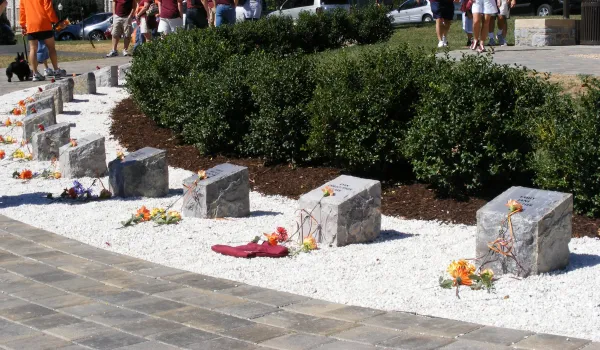
Four students dead, six more, plus a teacher, wounded. Can you believe – another mass shooting last week. This one north of Detroit, at Oxford High School. A 15-year-old boy – and his parents – were arrested.
While the shock and collective horror are still fresh, before the news cycle moves on, a question resonates with every heartbeat. It’s always the same one: Why? Why? Why?
Partial answers abound. Mostly, we keep them to ourselves. Nothing changes. The accused killer, Ethan Crumbley, has been charged as an adult for murder. . . and terrorism. So what? Should we call in drone strikes on Oakland County? Bureaucratic “justice” is not going to keep us safe, any more than endless war has kept us safe.
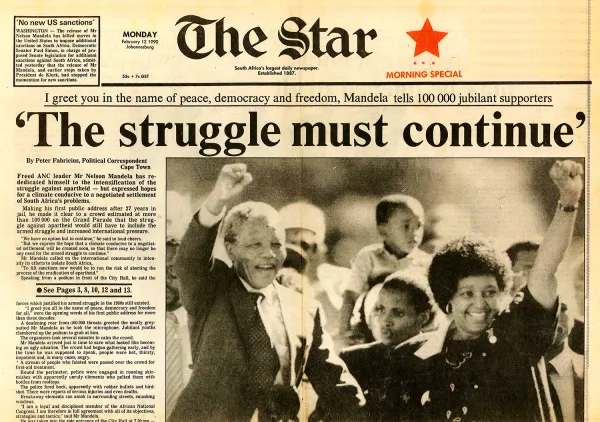
For whatever reason, some mistakenly perceive the Israeli newspaper, Haaretz, as liberal, progressive and even ‘pro-Palestinian’. Of course, none of this is true. This misconstrued depiction of an essentially Zionist and anti-Palestinian newspaper tells of a much bigger story of how confusing Israeli politics is, and how equally confused many of us are in understanding the Israeli political discourse.
On November 28, newly-elected Israeli President, Isaac Herzog, stormed the Ibrahimi Mosque in the Palestinian city of Al-Khalil (Hebron) with hundreds of soldiers and many illegal Jewish settlers, including the who’s who of Israel’s extremists.

Some are calling it the beginning of a “Gen Z uprising” while others are even suggesting American unions could rise out of the ashes as leverage for service sector workers continues to grow.
Starbucks baristas are beginning to organize in two cities and a representative from Workers United – an arm of the Service Employees International Union (SEIU) – told the Free Press Starbucks workers in Columbus have reached out to them.
“Absolutely some have, we are getting calls from every major urban center in the Midwest,” said Pete DeMay, organizing director for Workers United in the Midwest. “I can’t confirm or deny that there are active campaigns in Columbus, because if I say there is there will be a management onslaught. But if and when we go public, I will let you know.”
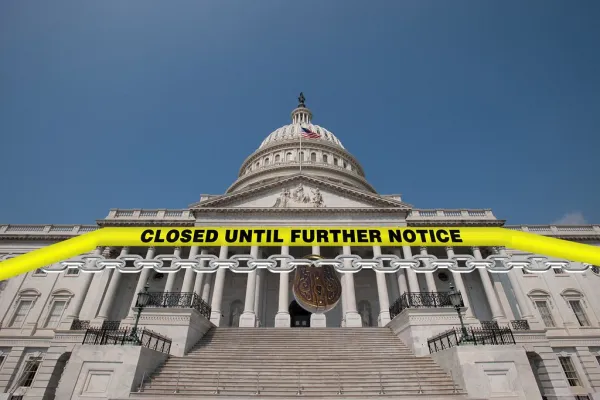
While “anti-vaxxers” continue to clash with police in various European cities, a whole media discourse has been formulated around the political leanings of these angry crowds, describing them in matter-of-fact terms as conspiracy theorists, populists and right-wing fanatics.
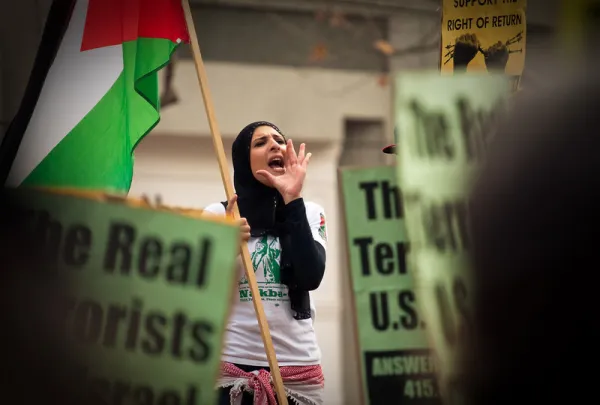
At a recent New York event, the President of the Foreign Press Association Ian Williams declared, before an approving audience, that it is time “to reclaim the narrative on Palestine”.
This phrase - ‘reclaiming the narrative’ - is relatively new to the Palestinian discourse. Years ago, the concept, let alone its implementation, were quite alien: the pro-Israel crowd refused, and still refuses, to acknowledge that Palestinians, their history and political discourse matter; some in the pro-Palestinian movement relegated Palestinian voices as if they were simply incapable of articulating a coherent narrative.
For many years, I, along with other Palestinian intellectuals, raged against the misrepresentation and marginalization of Palestine and the Palestinians, not only by Israel and its allies in mainstream media, but also against the elitism that existed within the Palestinian movement itself.