Global
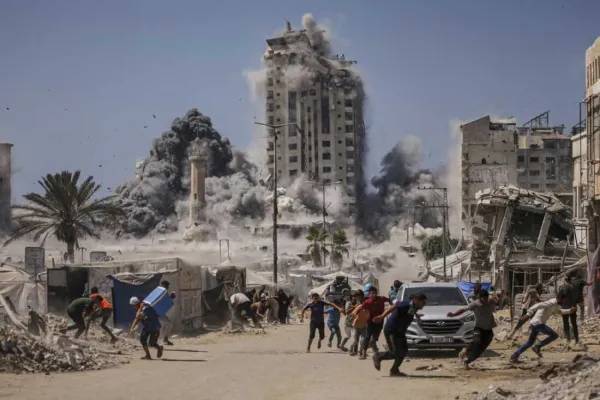
Colombia's decision to recognize Israeli sovereignty over the occupied Syrian Golan Heights marks a dangerous turning point.
By becoming only the second country in the world - after the United States - to endorse Israel's illegal annexation of Syrian territory, Bogotá has signaled a complete reversal of Gustavo Petro's foreign policy under new far-right President Abelardo de la Espriella.
I am in awe
of the deadeye imperturbability
of the armed righteous,
who look upon the world’s suffering
and see targets. . . .
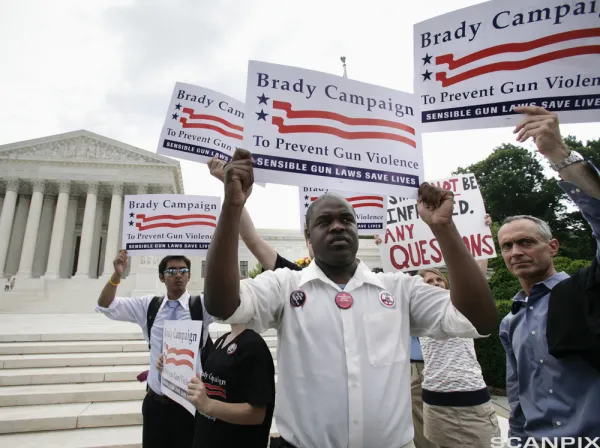
This is a fragment of a poem (“Vigil”) I wrote 25 years ago, in response to the “vigil” some gun-rights advocates held in front of a school in Columbine, Colorado, while Bill and Hillary Clinton were in the gym meeting with students, in the wake of the terrible shooting at the local high school. The men held up bright yellow signs reading “Gun Control Kills Kids” and “We Will Never Give Up Our Guns.”
Yeah, my response was bitter. The vigil was really about . . . what? Even if the participants were truly concerned about their safety – and furious that bureaucratic theft of their sacred right to live with a sense of power was looming – I couldn’t tolerate their collective refusal to acknowledge what had just happened. Oh, every classroom in the country just needs a few armed good guys in them, ready to start firing when a lunatic announces his intent to lessen the student population? Can’t we open our souls and truly try to figure out how to create a sane future? I’ve been asking this question for decades.
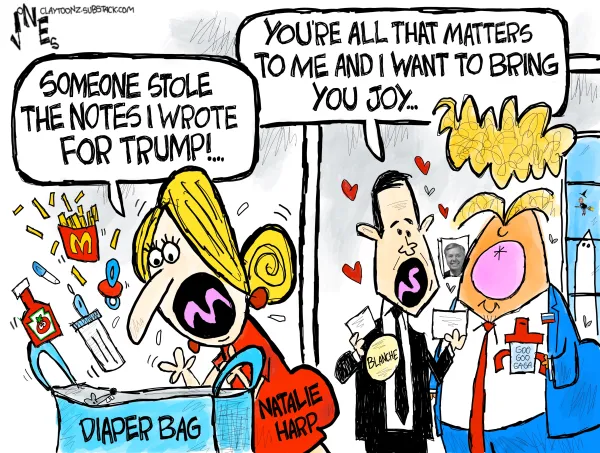
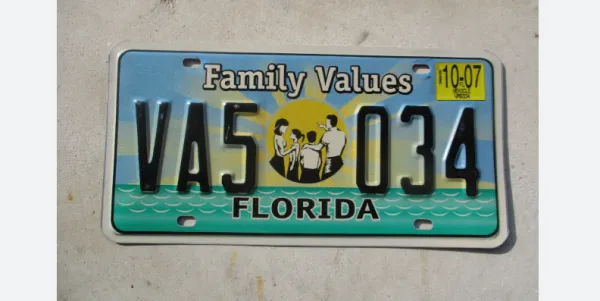
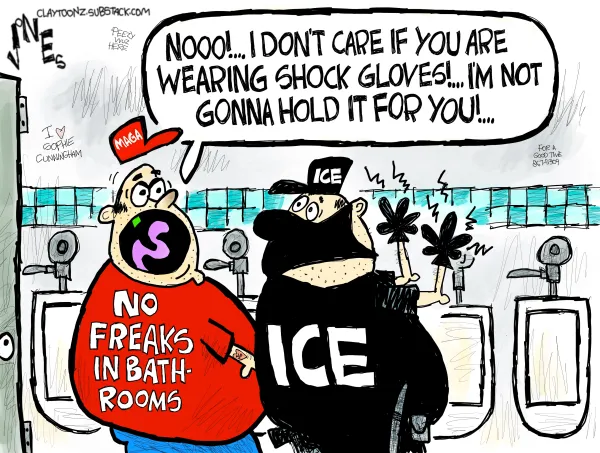
When political movements center their platforms on protecting families and upholding moral order, the public has a right to expect accountability when leaders commit severe harms. We have watched Republican politicians spend years manufacturing panic about teachers, librarians, the LGBTQ+ community, and drag performers. They have turned "protect the children" into a campaign slogan, a fundraising engine, and an excuse to target communities their base already fears.
Meanwhile, stories involving people inside their political network keep demanding attention—revealing a stark disconnect between rhetoric and reality across public office.
Before you read this piece—and I hope you will enjoy it—I want to make three points.
First, Arabs love parables. It is almost in our DNA. We use stories and metaphors, often without explaining exactly what they mean. We tell the story. We make the comparison. And then we leave the rest to the reader or the listener.
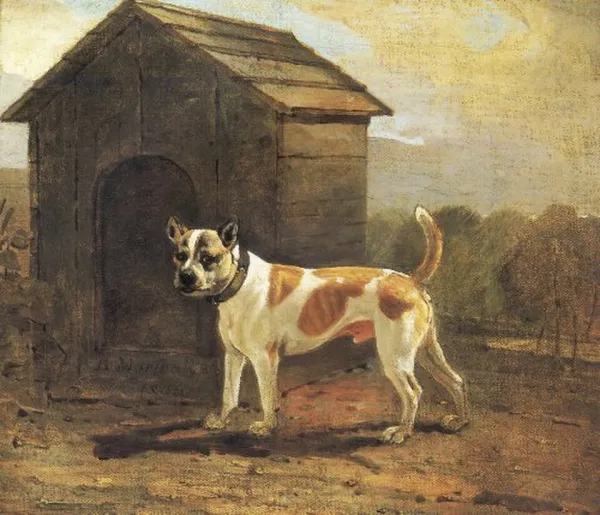
Second, before anyone thinks this is an attack on dogs, it is important to understand that dogs carry somewhat different cultural meanings in different societies. What follows is a cultural note, not a judgment about dogs.

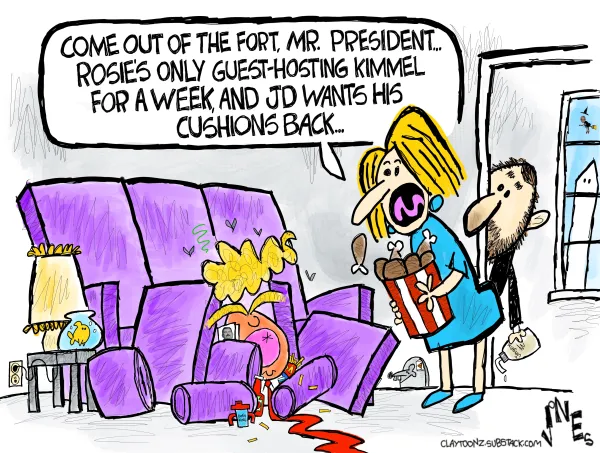
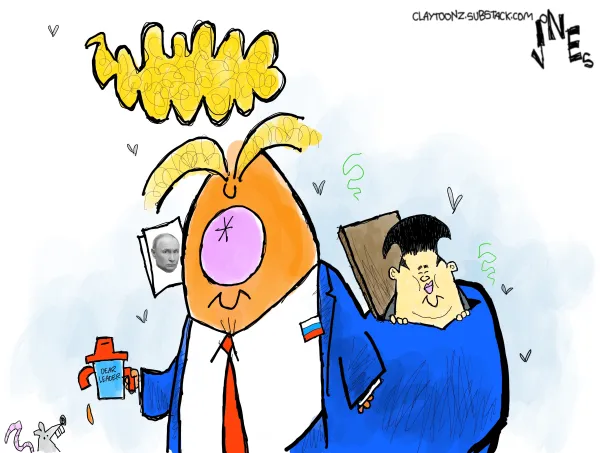
Believe it or not, clowns are begging America to quit calling President Trump a clown—and I second their motion.
Clowns provide a benefit to the world by making people laugh and spreading joy. They also maintain professionalism and ensure that their performances are suitable for all ages. They avoid crude jokes, offensive gestures, risky performances, and content that could be disrespectful to any group, according to CareerExplorer.
So, here are 20 things Trump will do that a clown would not:

First of all, has anyone wondered what Jared Kushner’s qualifications are to be a peace negotiator? Here’s what I think his qualifications are:
• He says he has read 25 books about the Middle East.
• He is Trump’s son-in-law and a close family adviser.
• He has a close relationship with Israeli Crime Minister Benjamin Netanyahu.
• His investment firm could potentially benefit from expanded Israeli settlements and a "New Gaza Plan."
• His “New Gaza Plan” envisions a radically transformed Gaza, including development of its coastline and large-scale infrastructure.
• Kushner has described Gaza’s coastline as having the potential to become something like a “French Riviera.”
• The proposed plan includes data centers and an industrial complex.
• Palestinians living in Gaza were not meaningfully consulted about the plan.
* Jared Kushner will be aided in implementing his so-called Peace plan by "war criminal" of the Iraq war Tony Plair.
The plan raises serious concerns that “rebuilding” Gaza could become a sugar-coated form of ethnic cleansing—transforming the territory while displacing or excluding the people who live there.