
Global


Freedom’s just another word for . . . blowing up your children? Giving them cancer?
Militarism is obsolete, for God’s sake. Its technology is out of control. The latest shred of news that has left me stunned and terror-stricken is this, as reported by Reuters: “The Biden administration will for the first time send controversial armor-piercing munitions containing depleted uranium to Ukraine. . . . It follows an earlier decision by the Biden administration to provide cluster munitions to Ukraine, despite concerns over the dangers such weapons pose to civilians.”


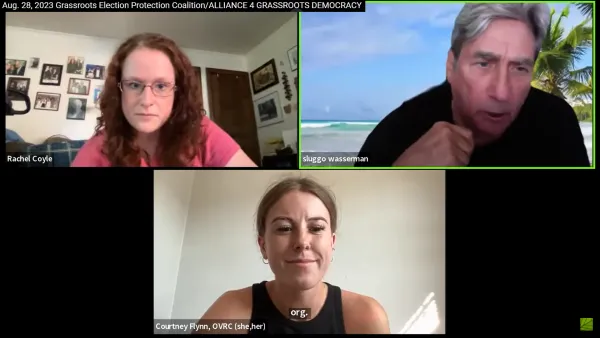
This breakthrough two-hour networking session joins RAY MCCLENDON and ANDREA MILLER of the “Georgia Miracle” with RACHEL COYLE and COURTNEY FLYNN of swing state Ohio, where a major grassroots victory has been won protecting the referendum process.
Ray tells us he has now helped form a new multi-state organization to help spread the grassroots tactics and strategies that famously turned two US Senate seats from Georgia into a reshaped majority in the nation’s upper house.
Andrea explains some of the key organizing principles that have made her work at the Center for Common Ground so critically important to protecting democracy throughout our nation.
Rachel then explains how the grassroots forces in the Buckeye State beat back a GOP attempt to destroy the referendum process.
She’s joined by Courtney Flynn from the Ohio Voter Rights Coalition, which helped turn this seemingly un-winnable fight into a landmark victory for democracy.
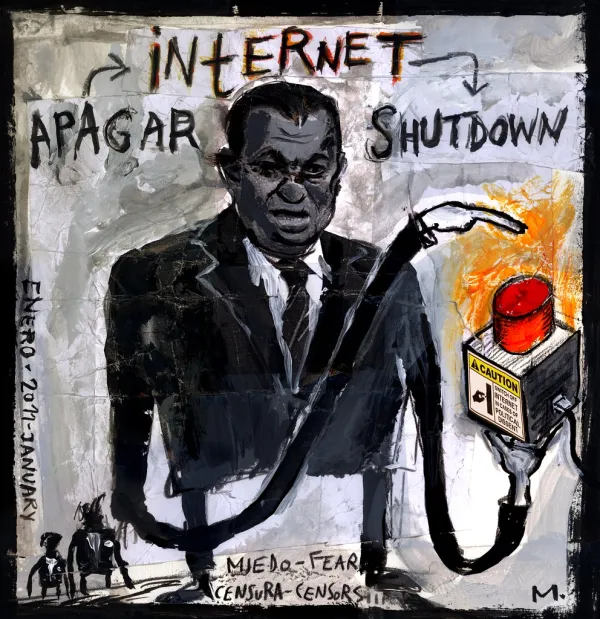
At the zenith of the mass protests in Egypt on January 25, 2011, Twitter, Facebook and other Western-based social media platforms appeared to be the most essential tools for the Egyptian Revolution.
Though some observers later contested the use of the terms ‘Twitter Revolution’ or ‘Social Media Revolution’, one cannot deny the centrality of these platforms in the discussion around the events which attempted to redefine the power structures of Egypt.
It was hardly a surprise that, on January 26, the Egyptian regime decided to block access to social media in a desperate attempt to prevent the spread of the protests.
August 15, 2019
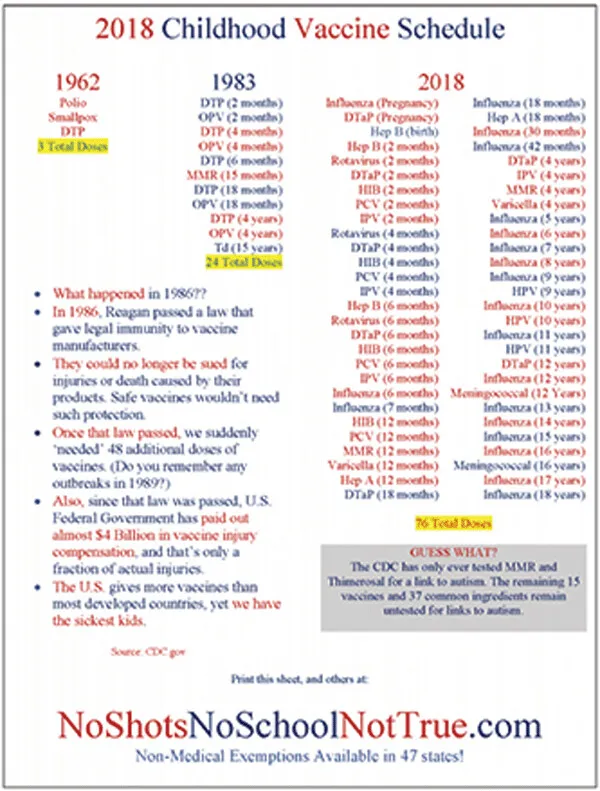
“Instead of demanding blue-ribbon safety science and encouraging honest, open and responsible debate on the science, liberal blogs shut down discussion on this key public health and civil rights issue, and silence critics, treating faith in vaccines as a religion; the heresy of questioning dogma meets with anathema and excommunication.”…”Many vaccines contain dangerous amounts of known neurotoxins like mercury and aluminum and carcinogens like formaldehyde, that are associated with neurodevelopmental disorders, autoimmune problems, food allergies and cancers that might not be diagnosed for many years.”…“No matter how toxic the ingredients, how negligent the manufacturer or how grievous the harm, vaccine-injured children cannot sue a vaccine company!”….” Pervasive financial entanglements with vaccine makers and the other alchemies of agency capture have transformed the FDA and CDC into pharmaceutical industry sock puppets.” - Robert F. Kennedy, Jr (
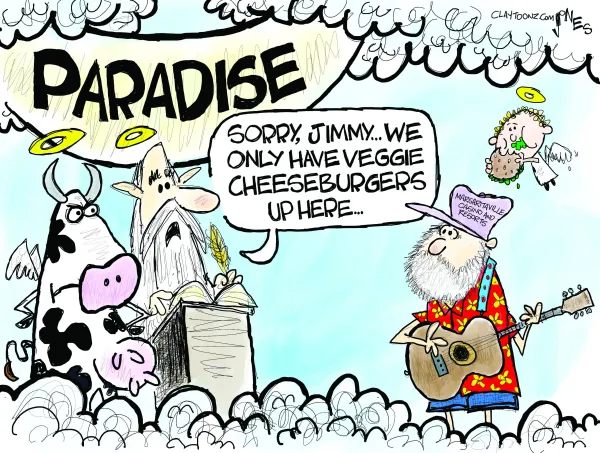
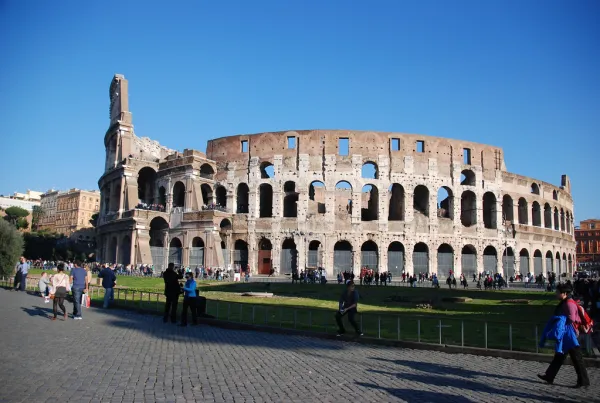
‘Panem et circenses’, said the Romans - ‘Bread and circuses’.
This maxim served the Romans well. In times of crisis and whenever they needed a distraction from military defeats or political infighting at the highest levels, they simply entertained the masses.
Caroline Wazir wrote an article in The Atlantic in 2016, linking entertainment and the need for political validation in the Roman Empire.
“The Exotic Animal Traffickers of Ancient Rome” is a good summation of how thousands of rare animals - at least rare for the Romans - were transported to Rome to be butchered at the Colosseum.
The practice was used in the early years of the Roman Empire to win approval for ambitious emperors and, during the age of decadence, to distract from the failures of struggling Caesars.
Ultimately, the entire exercise had little to do with entertainment for its sake and everything to do with distraction.