Global
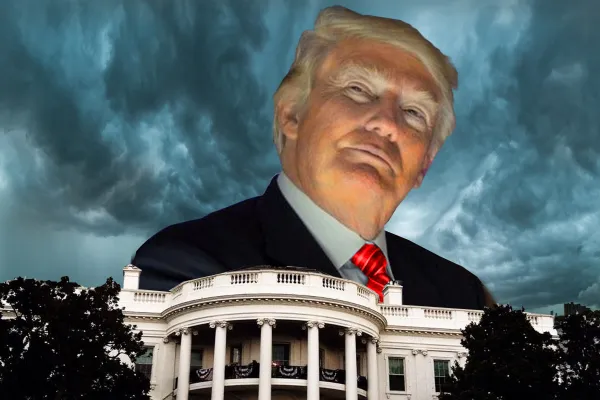
Trump Threatens the future of human civilization
There is so much wrong with Donald Trump that one hardly knows where to start. He is a bully, braggart, narcicist, racist, mysogenist, habitual liar, and tax evader, in addition to being demonstrably ignorant. He has contempt for both domestic and international law, as well as for the US Constitution. However, it is Trump's climate change denial, withdrawal from the Paris agreement, and sponsorship of fossil fuels that pose the greatest threats to the future of humans society and the biosphere. The general support of the Republican Party for the fossil fuel industry is the reason why Prof. Noam Chomsky has called the party “the most dangerous organization in history”.
Trump's climate change denial
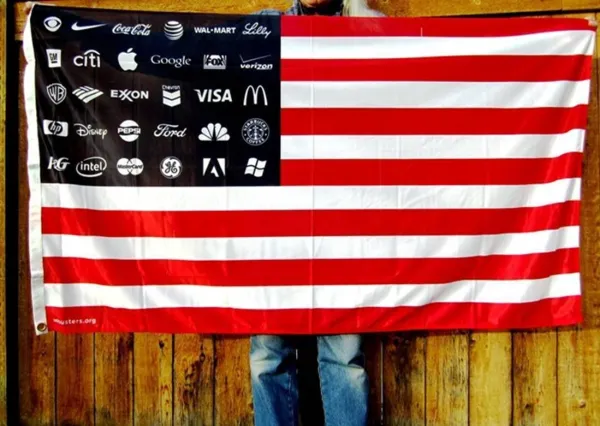
“He who pays the piper, calls the tune.” (Which basically means that the wealthy corporate elites and their wealthy corporate-influenced “family” foundations that own and operate the media also get to decide 1] what Big Pharma drugs and vaccines are promoted in the media, 2] what corporate propaganda gets broadcast as headline news and, incidentally, 3] what investigative journalists and whistle-blowers are censored or fired.)
“Fascism should more appropriately be called corporatism because it is a merger of state and corporate power.” – Commonly attributed to Italian Dictator Benito Mussolini
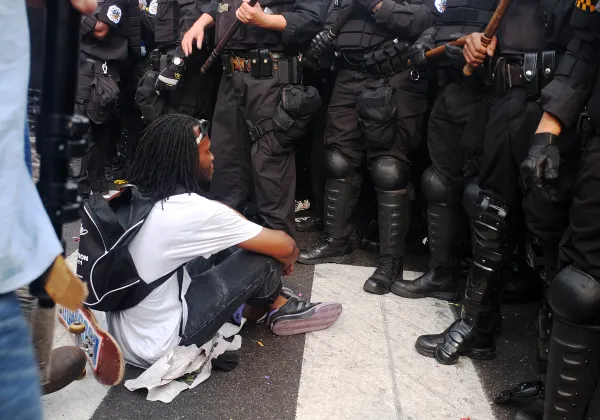
Using its fora such as the World Economic Forum – see ‘Strategic Intelligence’ – and its agents (particularly the World Health Organization, the pharmaceutical industry, governments, the medical industry and corporate media) the global elite continues to tighten its grip on the human population, bombarding us with COVID-19 propaganda to heighten people’s fear while introducing new and/or extending existing restrictions to conceal the many measures being taken to execute their ongoing coup against humanity. See ‘The Elite’s COVID-19 Coup Against a Terrified Humanity: Resisting Powerfully’.
Editor Note: to view the interactive map properly, go to original article here: https://worldbeyondwar.org/militarism-mapped/
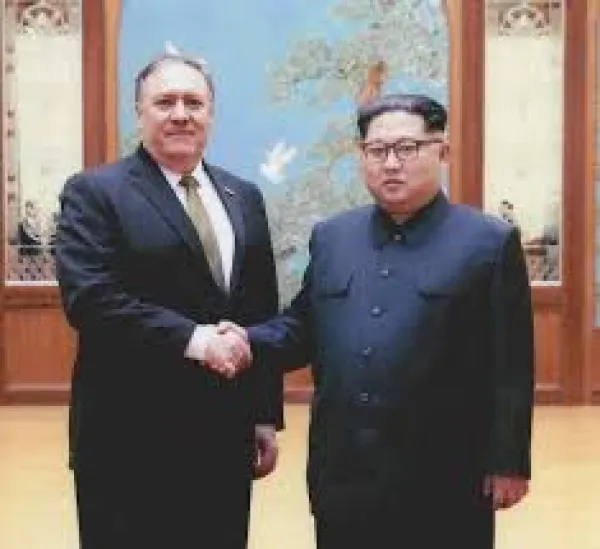
Secretary of State Mike Pompeo recently recounted to an audience at Texas A&M University that when he was head of the Central Intelligence Agency he was responsible for “lying, cheating and stealing” to benefit the United States. “Like we had entire training courses. It reminds you of the glory of the American experiment.”
The Secretary made the comment with a grin, noting that when he was a cadet at West Point he subscribed to the Academy honor code, which stated that “You will not lie, cheat, or steal or tolerate those who do.” The largely student audience clearly appreciated and irony and laughed and applauded, though it is not clear what they made of the “glory of the American experiment.” The normally humorless Pompeo was suggesting ironically that yesterday’s Pompeo would be required to turn today’s Pompeo into the appropriate authorities for lying and also conniving at high crimes and misdemeanors while at the Agency.
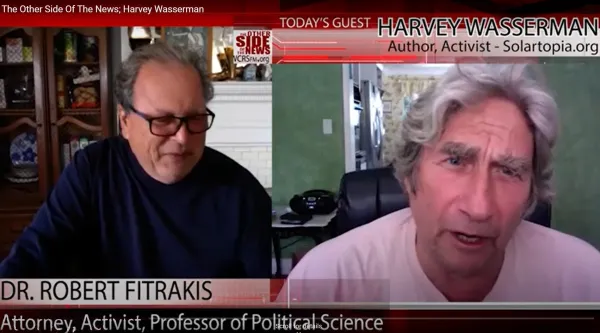
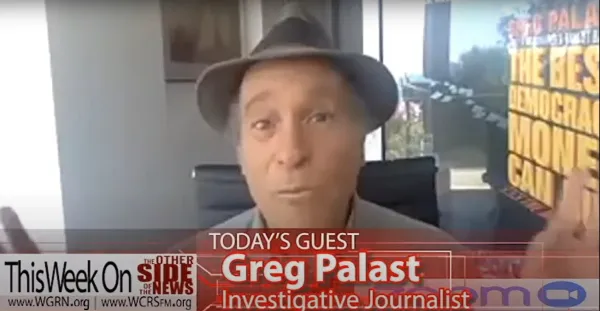
The Free Press Network presents; Harvey Wasserman The Other Side Of The News With Dr. Robert Fitrakis
The Other Side Of The News With Dr. Robert Fitrakis
Dr. Bob is joined by lifetime activist, and author; Harvey Wasserman! And they give you their side of local, national, and international news.As broadcast LIVE! on WGRN 94.1fm and WCRS 92.7FM & 98.3FM Fridays at 5:30pm in Columbus Ohio!
Please support the Indy-Media Center of the Free Press Network;
https://www.Patreon.com/FreePressNetworkThe Columbus Free Press http://columbusfreepress.com Free Press National and International Desk http://freepress.org

At a time when the president wants to reopen the economy — but not the borders! — it’s time to grab ahold of the moment and start groping in our minds beyond what’s politically possible and start envisioning serious social change.
Life is fervid chaos right now for those who are on the front lines of the pandemic, from hospital workers to grocery store clerks, not to mention those who are sick and dying — and those who are helpless and vulnerable, such as immigrants and prisoners — but for most people life has slowed down to a matter of staring out the window . . . or into the future.
Many of the life-shattering issues people are facing right now are manmade, and often result from an allegiance to the worst of who we are. How can this change? This is certainly the time to begin asking this question — and I mean globally, not just nationally.