
Global
y comment: “first the ignore you, then they ridicule you, then they fight
you, then you win”. We are getting close to winning ;-). The response to
this fascist states’ litany of new laws and regulation that stifle free
speech, destroy non-Jews in Jerusalem, kidnap children, deny freedom of
movement, assassinate people etc should fall under these basic categories:
1. Intensify the work for BDS (boycotts, divestment, sanctions) around the
world and take time now to support the 20 groups that the Israeli regime is
trying to silence (and the many others they missed :-)
2. Lobby all governments to treat Israeli citizens in kind: any Israeli
citizen or those connected with Israeli organizations who/which refuse/s to
accept internationally recognized rights of Palestinians (for refugees to
return, for freedom etc) should be denied entry to all countries whose
citizens were denied entry to Palestine (which has to go through “Israeli”
borders).
3. Intensify lobbying governments around the world to withdraw recognition
of the state of “Israel” until it complies with International law including
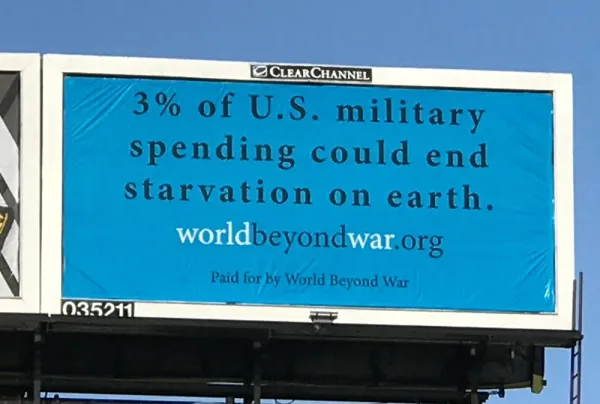
The nonprofit organization World Beyond War has put up a billboard in Baltimore stating that “3% of U.S.
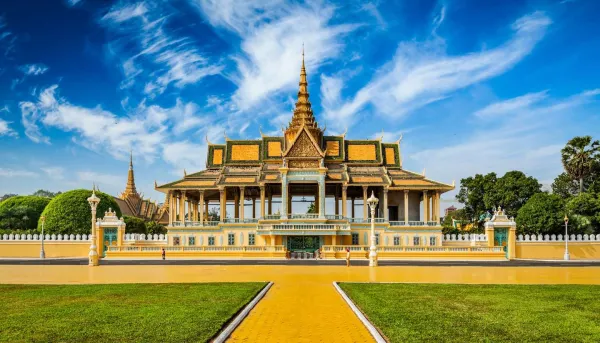
A long-standing French protectorate briefly occupied by Japan during World War II, Cambodia became independent in 1953 as the French finally withdrew from Indochina. Under the leadership of Prince Norodom Sihanouk, Cambodia remained officially neutral, including during the subsequent US war on Indochina. However, by the mid-1960s, parts of the eastern provinces of Cambodia were bases for North Vietnamese Army and National Liberation Front (NVA/NLF) forces operating against South Vietnam and this resulted in nearly a decade of bombing by the United States from 4 October 1965. See ‘Bombs Over Cambodia: New Light on US Air War’.
In 1970 Sihanouk was ousted in a US-supported coup led by General Lon Nol. See ‘A Special Supplement: Cambodia’. The following few years were characterized by an internal power struggle between Cambodian elites and war involving several foreign countries, but particularly including continuation of the recently commenced ‘carpet bombing’ of Cambodia by the US Air Force.
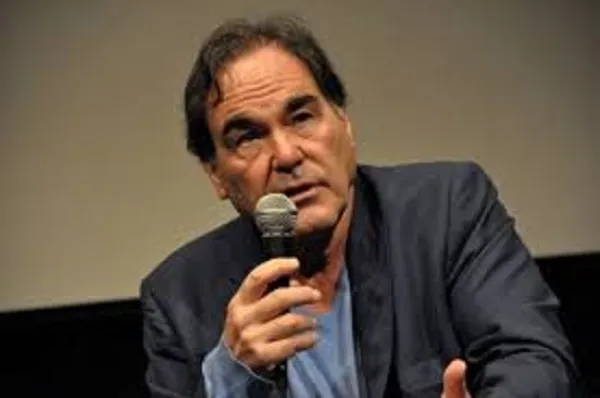
These 10+ TruthDig interviews in the link below are promising sources of information to enlighten (and frighten) viewers into awareness (and activism) concerning the devastating implications of the near-total multinational corporate take-over of the US economy, the environment, the government, the two major political parties, the federal courts, the Oval Office, the Pentagon, the entertainment industry, the food industry, the amusement industry, the major media, the people’s wilderness, the people’s water, the people’s air, the people’s mineral resources, etc.
The #1-rate interview is the one with Oliver Stone. #10 is comedian/social commentator Jimmy Dore, and in between are interviews with a CIA whistle-blower, a NSA whistle-blower, a Green Party candidate, a Code Pink founder, the Young Turks, and a native American Dakota Pipeline resister.
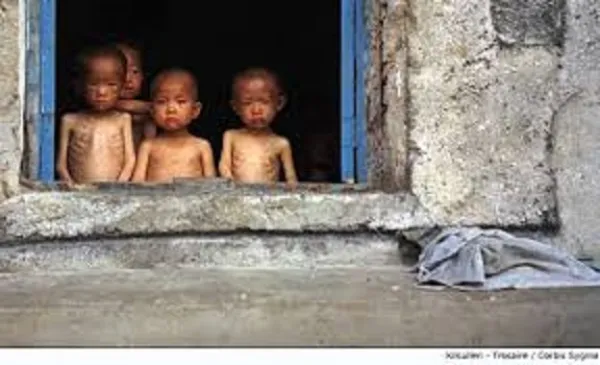
“Mr. Kim may be partly motivated by an intense need to roll back sanctions that, by all accounts, have begun to bite.”
Whoa and ouch. This was my wakeup paragraph. I was sitting at Starbucks, reading the New York Times, feeling confusing old emotions wash over me on the first day of the New Year, when suddenly these words hit me like a sucker punch: The sanctions against North Korea “have begun to bite”?
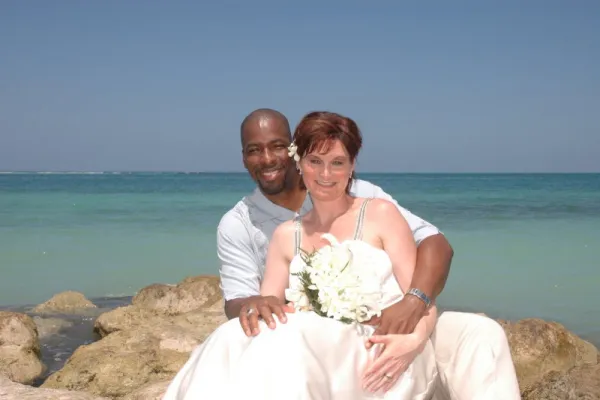
The Free Press rarely if ever posts fundraisering appeals for other organizations or people, after all, we need donations ourselves.
If you do not know who Jeffrey Sterling is, please read. He became a political prisoner for a time, because he is a whistleblower and also because he is black. (I say that because he filed a racial descrimination complaint against the CIA). The Free Press proudly posts this in his behalf.
The announcement by US Attorney-General Jeff Sessions that he'll pursue federal pot prosecutions has two age-old motivations: power and money.
Financially, of course, the Republican party is vested in America's vast private prison system. Every new arrestee means money in the pockets of the investors who own and operate them. Keeping those cells and beds occupied is the essence of the industry"and of Pot Prohibition.
- Advertisement -The Drug War is a giant cash cow, not only for the prison owners, but for the cops, guards, lawyers, judges, bailiffs and all the other operatives whose livelihood depends on destroying those of the nation's tens of millions cannabis customers.
Medical legalization in about half the country, and full legalization in California, Colorado and other states, represents a serious threat to this multi-billion-dollar incarceration scam. Sessions has risen to its defense.
Then there's the power.
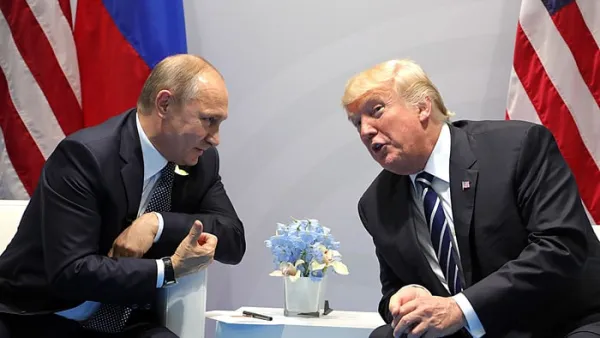
For several months we’ve been hearing a crescendo of outcries that Russia used social media to sway the 2016 presidential election. The claim has now been debunked by an unlikely source -- one of the most Russiagate-frenzied big media outlets in the United States, the Washington Post.
Far away from the media echo chamber, the Post news story is headlined: “There’s Still Little Evidence That Russia’s 2016 Social Media Efforts Did Much of Anything.”
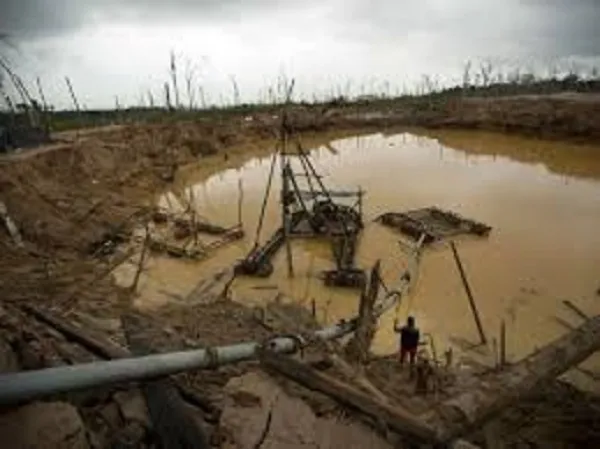
Below are two articles that nicely illustrate the cunning methods that ALL multinational mining, exploration, drilling, energy extractive or oil transporting corporations use to try to sanitize what in reality are greedy designs to enrich corporate stakeholders by raping, stealing, exploiting and permanently polluting the land, water and air that really has always belonged to the indigenous people and who simply want to protect what has always been theirs.
The first article illustrates how an otherwise respected major educational institution like Duke University (of Durham, North Carolina) could be easily bamboozled by financial enticements from an exploitive corporation. (Duke University was, incidentally, founded and funded by robber baron James Buchanan Duke,an exploitive tobacco and electric power industrialist that at one time acquired a monopoly on cigarettes and thus gained enormous wealth by marketing a highly addictive and deadly product.)
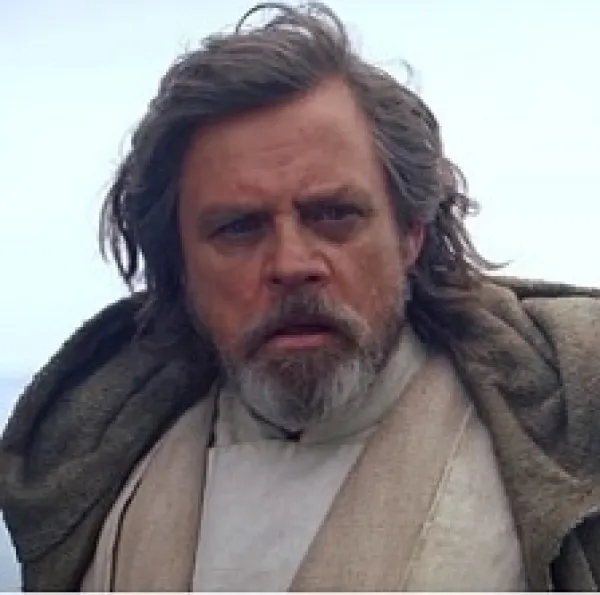
Your heroes aren’t perfect. That’s the lesson of The Last Jedi, the latest feature film installment in the Star Wars series. Your heroes aren’t perfect, and they can’t single-handedly save the universe. Sometimes they try to run from their problems. Often – okay, pretty much always – they make mistakes, and not just little ones. Sometimes they fail, with tragic consequences. They can help us, but ultimately we have to save ourselves.
It’s there when Rose finds Finn, great hero of the Resistance, sneaking into an escape pod because he’s convinced their ship is going to be destroyed. It’s there when General Leia slaps Poe for his showboating that ultimately worked but at the cost of far too many lives. And it’s there when Luke refuses to help Rey because his last attempt at training new Jedi went so horribly, horribly wrong.
It’s not a bad message to find us at the end of 2017, a year that, in progressive politics, has been more about movements than personalities. Heroes haven’t saved us. Leaders haven’t saved us. It’s all been down to ordinary people.