
Op-Ed
These 10+ TruthDig interviews in the link below are promising sources of information to enlighten (and frighten) viewers into awareness (and activism) concerning the devastating implications of the near-total multinational corporate take-over of the US economy, the environment, the government, the two major political parties, the federal courts, the Oval Office, the Pentagon, the entertainment industry, the food industry, the amusement industry, the major media, the people’s wilderness, the people’s water, the people’s air, the people’s mineral resources, etc.
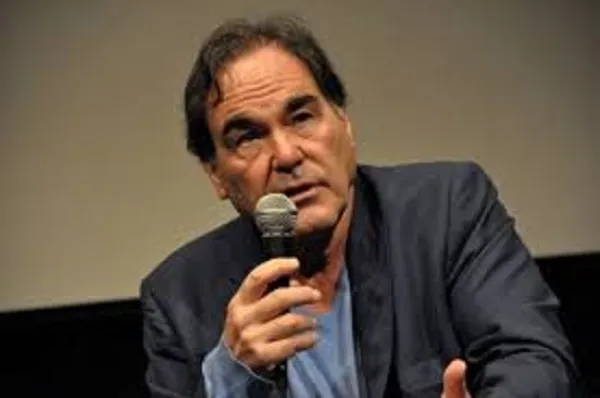
The #1-rate interview is the one with Oliver Stone. #10 is comedian/social commentator Jimmy Dore, and in between are interviews with a CIA whistle-blower, a NSA whistle-blower, a Green Party candidate, a Code Pink founder, the Young Turks, and a native American Dakota Pipeline resister.

Enough is enough. Especially when it comes to a name.
Many of you have undoubtedly faced a crisis or two about your own. It can come from anywhere, like changing (or NOT) your family name when getting married. Or dumping the curse of one you never liked.
Famous examples abound. The great Texas-born classical pianist Van Cliburn was in fact Harvey Lavan Cliburn. Lady Gaga is Stefani Joanne Angelina Germanotta. Kirk Douglas was Issur Danielovitch. Marilyn Monroe came from Norma Jean Mortenson. Tony Curtis had been Bernard Schwartz. John Wayne was Marion Mitchell Morrison.
You get the picture.
When I was born in Boston 72 years ago this New Year’s Eve, my mom made my father promise not to name me “Harvey.” Dad’s father, who’d just passed away, was Herschel. So the “H” was unavoidable. But there were certainly better choices. She never forgave him. Me either.
My middle name is Franklin, as my parents were big FDR fans. As an historian, I like it for Ben.
Wasserman means “Aquarius” or Water Man in German. I’m good with that.
But “Harvey”?
Enough is enough. Especially when it comes to a name.
Many of you have undoubtedly faced a crisis or two about your own. It can come from anywhere, like changing (or NOT) your family name when getting married. Or dumping the curse of one you never liked.
Famous examples abound. The great Texas-born classical pianist Van Cliburn was in fact Harvey Lavan Cliburn. Lady Gaga is Stefani Joanne Angelina Germanotta. Kirk Douglas was Issur Danielovitch. Marilyn Monroe came from Norma Jean Mortenson. Tony Curtis had been Bernard Schwartz. John Wayne was Marion Mitchell Morrison.
You get the picture.
When I was born in Boston 72 years ago this New Year’s Eve, my mom made my father promise not to name me “Harvey.” Dad’s father, who’d just passed away, was Herschel. So the “H” was unavoidable. But there were certainly better choices. She never forgave him. Me either.
My middle name is Franklin, as my parents were big FDR fans. As an historian, I like it for Ben.
Wasserman means “Aquarius” or Water Man in German. I’m good with that.
But “Harvey”?
The rabbit in the Jimmy Stewart movie was in fact a real-life “Pooka”, a Celtic spirit.

Is Santa real? What about God? Or Mr. Stranger Danger? A 5-year-old’s curiosity is a wonder to behold — more than a wonder if you haven’t had your coffee yet, or if you’re trying to get last-minute Christmas shopping done at Target and your son says he wants to die right now so he can meet God.
To be a parent is to feel the force of this curiosity like a live spring uncoiling with unpredictable energy against the day’s agenda and the furthest reaches of the known universe, pushing you into a possible future not yet imagined.
“When did people first realize there was a God?”
This is my great-nephew Jackson, doing curiosity handsprings across the academic discipline of theology and squeezing an open-mouthed pause from his mom, Carmen, my niece — with whom I had a lively chat over the holidays about such matters when she had a moment to relax. This was a conversation of puzzlement and gold, and I’ve been thinking ever since about childhood and the precious possible.

The tax bill advertised by Republicans as a Christmas gift to the American people is in fact a gift to the Global Corporate CEOs and other such executives on incentive compensation plans. The most favored of this group are the executives of the Military Industrial Complex (MIC) with Lockheed Martin at the top. Their gifts – to transition from multi-millionaires to billionaires.
The earlier 10% increase in military spending specially benefited MIC executives and their Carlyle Group directors. The cut in the corporate income tax rate will probably increase their compensation at a generous multiple of the percentage which that cut represents to the increase in corporate net income and rate of return on equity.

AUTHOR’S NOTE: For those who want to see Sen. Franken remain in office at least until the Ethics Committee process has run its course, there’s a “We support Al Franken” petition at change.org with over 60,000 signatures as of December 8 – https://www.change.org/p/charles-schumer-we-support-al-franken
Introduction
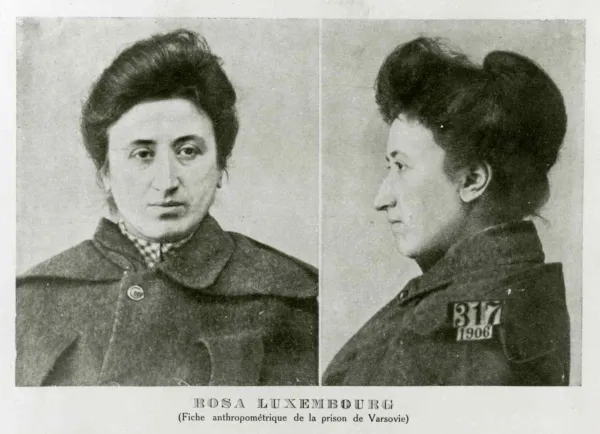
When I began this essay I thought I aimed at a rather modest target, but the “story grew in the telling” and reached out further and further to interweave more and more threads, and therefore required much more time and thought than originally foreseen. Yet I believe the effort to have been worthwhile, opening a bit of new territory for socialism. It sets out from one of Rosa Luxemburg’s most enduring postulates and conjugates it with the topic of civil disobedience which, (as far as the author knows, has never been associated this giant of socialist thought.
One of the protagonists of the civil disobedience movement was Rosa Parks, the other “rose” to whom this monograph is dedicated to and honored in the title, for being as a quintessential representative of civil disobedience as understood and practiced by Gandhi and King.
A further disobedient rose worthy of recognition is Sandra Harris who reviewed this essay and recommended addressing “class morality.”
A Disobedient Rosa: What Brings the Masses into Motion

OK, here’s a good one: What’s the position of women in the antiwar movement?
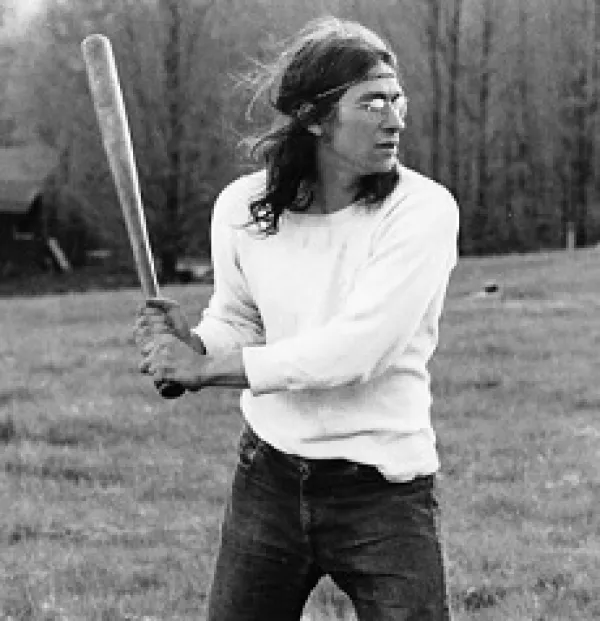
This was circa 1967, when I was a college kid just coming of age, psychologically and politically. I was a hippie. I had stopped cutting my hair. I’d discovered pot. And I was outraged by the Vietnam War. I was also still swaddled in the sexism of the day, and I laughed knowingly at the answer to this little joke:
Prone.
By the early ’70s, women’s rights emerged as a movement and a lot of men began to see that sort of humor in a stunningly different context. I went through a year of shame and shock as I became aware of my own sexism — “you gotta control your woman” — and did my best to embrace feminism and surrender the stupid male birthright that this was my world more than it was hers . . . that I was the boss, that sex was something to be pried loose from her.