
Op-Ed
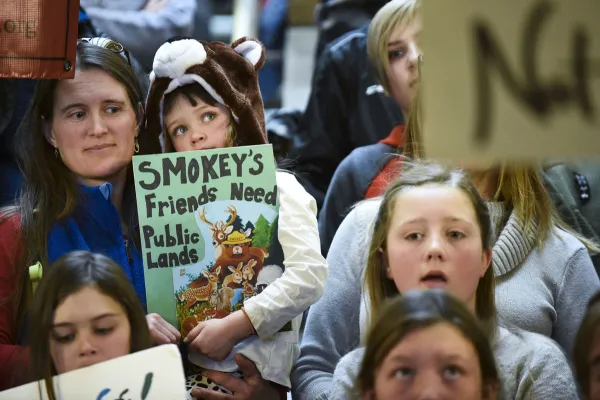
My wife and I recently ventured from our home in Montana on a two-week road trip to the Southwest. The excursion took us deep into Utah’s majestic canyon country and the West’s ongoing clash over our federal public lands, a conflict most recently inflamed by Interior Secretary Ryan Zinke’s recommendation to shrink a number of our National Monuments. While the environmental, social, and political issues around these fights remain contentious, one thing has become clear: Strong public lands protections fuel thriving economies.

In the wake of the Las Vegas massacre, as in the wake of all the high-profile mass shootings that preceded it, the big question looms: Why?
John Whitehead puts the question this way: “What is it about America that makes violence our nation’s calling card?”
This is the enormous question — you might call it the $700 billion question, which is the size of the 2018 military budget recently approved by the Senate — that most media and law enforcement personnel do not ask or acknowledge, as they search for clues about the motive behind Stephen Paddock’s rampage on the night of Oct. 1 amid the scattered wreckage of the killer’s life.
He was a “lone wolf.” He was a “psychopath.”
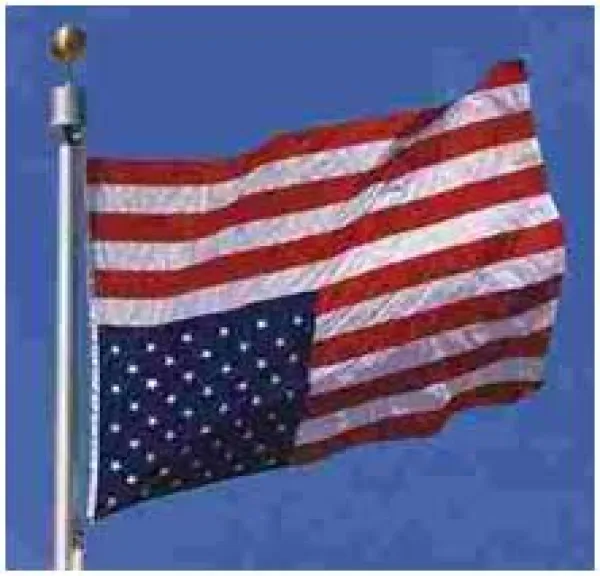
 he flag is a symbol, and there is no agreement as to what it actually symbolizes. By design, the flag’s thirteen stripes stand for the original 13 states, none of which would ban slavery. The 14th state, Vermont, was the first state to ban slavery, doing it weakly in its 1777 state constitution (not that the principle was enforced: in 1802 the Town of Windsor sued a State Supreme Court justice to get him to take care of an elderly, infirm slave he had dumped on town welfare; the town lost the case). The original flag had 13 stars for those same original 13 states, and it took over 70 years before all 36 stars in the 1865 flag represented states without slavery (but not states without racist Jim Crow laws and the freedom to lynch without consequence).
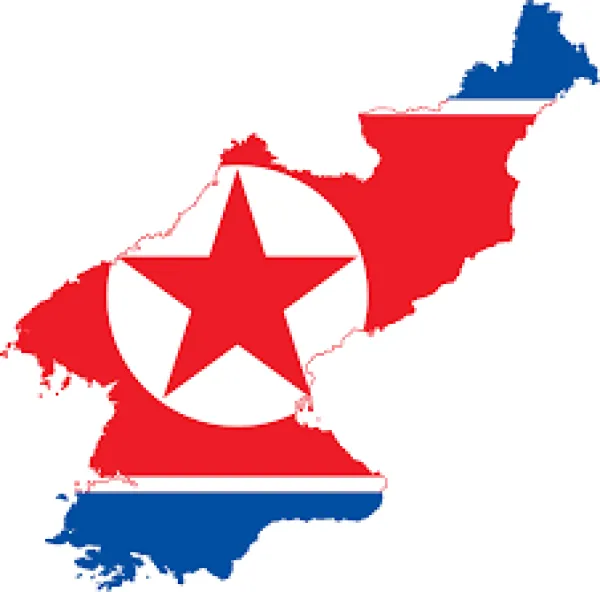
Not even a year has passed since Donald Trump’s election victory. Yet already, his over-the-top, pugnacious rhetoric and actions have exacerbated Washington’s conflict with North Korea to the point where some observers are comparing it to the 1962 Cuban missile crisis.1 But how are people being educated and informed about this crisis in the mass media? We are shown bountiful coverage of North Korean problems, such as Kim Jong-un’s own over-the top rhetoric, his government’s human rights violations, rapid development of nuclear missiles, and soldiers goose stepping, but hardly any coverage of American problems, such as our history of aggression on the Korean Peninsula, the “Military-Industrial Complex” that President Eisenhower warned about in 1961, and the ways in which Washington has been intimidating Pyongyang. Below is an outline of some myths that must be dispelled if Americans are to gain some basic understanding U.S.-North Korea relations today and if they are to feel motivated to pressure their government to negotiate a diplomatic solution to the crisis.
Myth Number 1: North Korea is the aggressor, not us; they are the problem
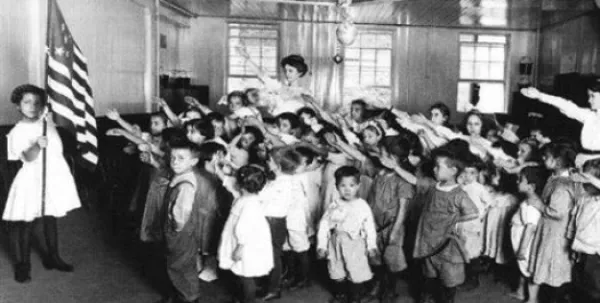
What is freedom of religion? It is not actually or directly freedom to think or not think religious stuff, not to the extent that one can, or chooses to, keep one’s thoughts secret. Rather, it is the right to display or to refuse to display religiosity.
If you have freedom of religion, as I think everyone should, and if we all have the right to our own lives and well-being, as I think we should, then as long as you’re not hurting anyone else, you have the right to hold various things sacred: books, statues, symbols, buildings, trees, whatever. And everyone else has the right not to hold those things sacred.
In Saudi Arabia, if you do not act as if you hold certain objects and words and behaviors sacred, your life is in jeopardy.
In the United States, what puts you at the greatest risk of unpleasant repercussions is not the practicing of any particular religion, with the possible exception of Islam or anything that people might mistake for Islam. What the most factors conspire to compel you to in the United States is this: flag worship.
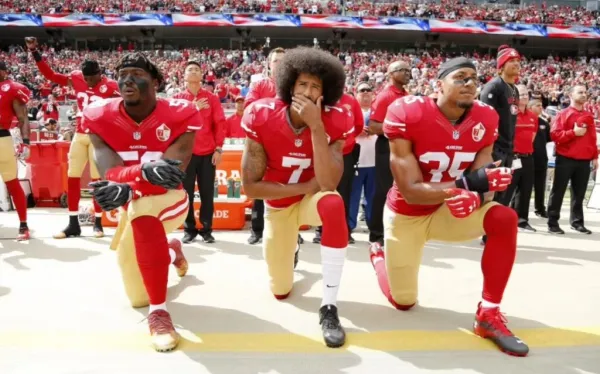
The immensely powerful, deeply moving and historic protests of our nation’s athletes against the absurd rantings of our Great Dictator make one thing abundantly clear: the diversity of this nation is not going away.
But The Star Spangled Banner should. It’s a lousy song with a racist message. We need a new anthem—-or to acknowledge many of them.
Likewise the dotard illegitimately occupying the White House. We can do better.
So let’s combine the campaigns.
Words to the Star Spangled Banner were written by Francis Scott Key, a slaveowner. He commemorated the failure of the British to conquer Baltimore in the War of 1812, an utterly useless conflict. The Brits had just burned our nation’s capital, partly in response to our burning their Canadian headquarters at York, now Toronto.
Nobody, not racist warmakers, not imaginary non-racist warmakers, not founding fathers, not radical protesters should be made into a deity, larger than life, in marble or bronze, on horseback or otherwise. Nobody is that flawless, and nobody’s story so withstands the test of time. We need human-sized statues and memorials of whole movements.
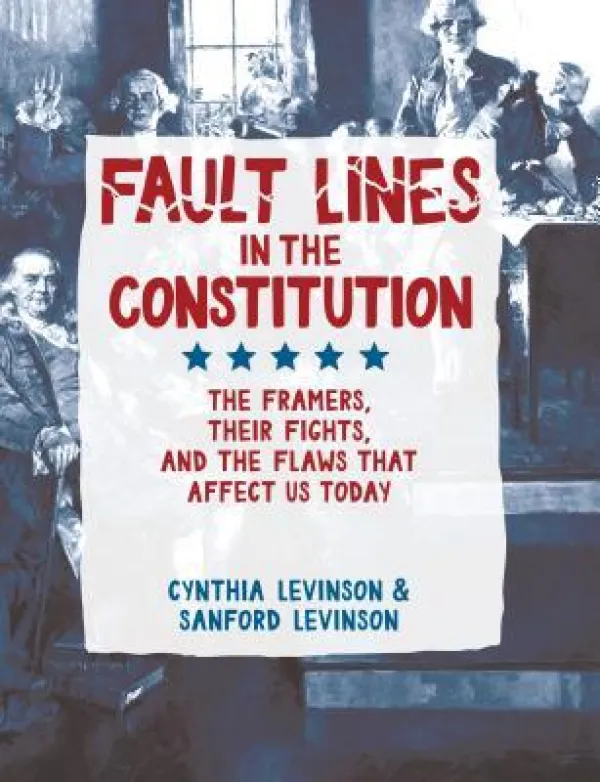
The U.S. Constitution, along with the Declaration of Independence, has a whole marble building dedicated to its worship: the National Archives in D.C., plus the Constitution Center in Philadelphia. It’s generally taught in U.S. schools as something in the past, not something to be improved upon — hardly even to be questioned.
 istorically, bigotry has served as the basis for US policy and law often enough that no one should be surprised that we’re at it again, targeting people who had no meaningful choice when they were brought to this country as children. To mask our bigotry, we call these innocent young people “childhood arrivals.” We pretend they broke the law as minors by accompanying their parents who brought them to our country in violation of our constitutionally squalid immigration statutes. But we also pretend we are big-hearted because we will hold off on “deferred action” against these criminals in our midst. Yes, that’s DACA, Deferred Action for Childhood Arrivals, the 2012 executive program that is fundamentally a moral hoax and a legal joke, neither of which is among the reasons President Trump has given for throwing the program into deferred chaos.
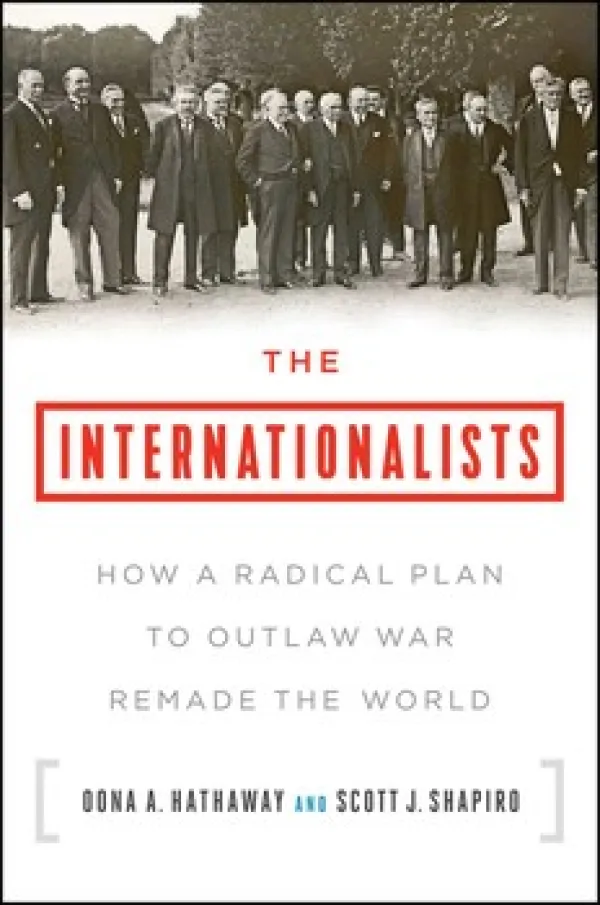
When I wrote a book about the Kellogg-Briand Pact my goals were to draw lessons from the movement that created it, and to call attention to its existence as a still-current law