
Politics
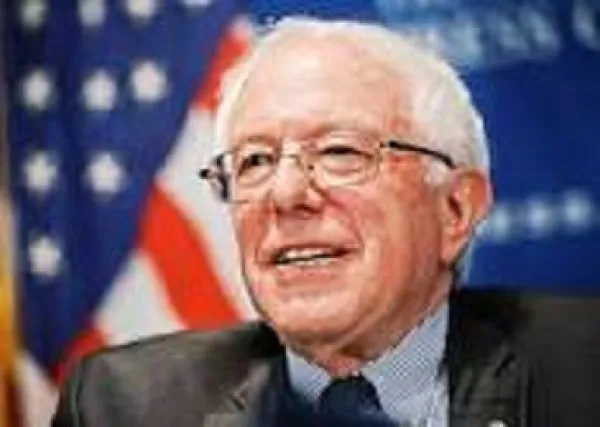
In the Nov. 6 New York Times Frank Bruni wrote: “we’re coming out of this election with four parties: the Paul Ryan Republicans, the Freedom Caucus, the establishment Democrats and the Elizabeth Warren/Bernie Sanders brigade, which is raring to use the muscle that Sanders flexed during the primaries for legislation more progressive…” The op ed columnist has a point, but one that needs to be expanded upon.

By Jeff Cohen and Norman Solomon
Even now, in the last days of this horrendous campaign, we’re amazed by fervent assertions coming from some progressives about Donald Trump. Here are three key myths:
Myth #1: “Trump can’t win.”
The popularity of this illusion has waned, but still remains remarkably stubborn. This week the polling has moved in Trump’s direction. Several battleground states that were close now seem to be trending toward Trump, including Ohio. A couple weeks ago, the respected forecasters at Nate Silver’s FiveThirtyEight website gave Trump a 12 or 13 percent chance of becoming president. Now it’s a 1 in 3 chance.
Myth #2: “If Trump becomes president, he’ll be blocked from implementing the policies he’s been advocating.”
Far too many progressives discuss changing the Democratic Party from the inside. It is the central effort of many members of Our Revolution (a group of Bernie Sanders supporters), Democracy Spring, and other activist groups. There is the belief that electing more progressive candidates as Democrats, and putting widespread pressure on incumbents, will force the party to move to the left. Unfortunately, we have been there, tried that, and had our hearts broken.
Bernie Sanders’ entire presidential primary campaign was based on changing the Democratic Party from within. He wanted the party to stop using Super-PAC funds. He asked for it to implement a single-payer healthcare system. He demanded that climate change be a central issue, demanding immediate action. It is exactly because of those issues, and his desire to permanently alter the Democratic Party, that he was crushed by the DNC.

Michael Moore has made some terrific movies in the past, and Where to Invade Next may be the best of them, but I expected Trumpland to be (1) about Trump, (2) funny, (3) honest, (4) at least relatively free of jokes glorifying mass murder. I was wrong on all counts and would like my $4.99 back, Michael.
Moore's new movie is a film of him doing a stand-up comedy show about how wonderfully awesome Hillary Clinton is -- except that he mentions Trump a bit at the beginning and he's dead serious about Clinton being wonderfully awesome.
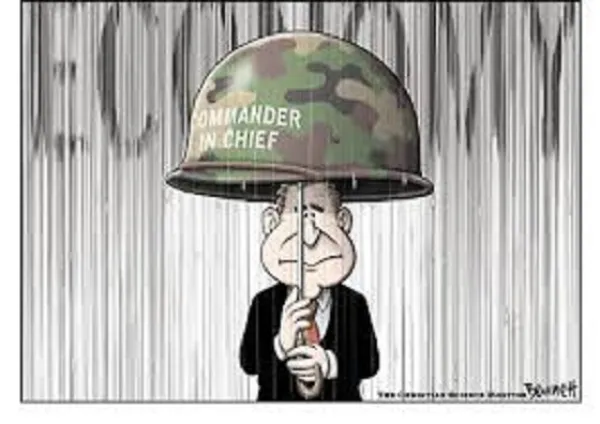
Maybe it’s the phrase — “commander in chief” — that best captures the transcendent absurdity and unaddressed horrors of the 2016 election season and the business as usual that will follow.
I don’t want to elect anyone commander in chief: not the xenophobic misogynist and egomaniac, not the Henry Kissinger acolyte and Libya hawk. The big hole in this democracy is not the candidates; it’s the bedrock, founding belief that the rest of the world is our potential enemy, that war with someone is always inevitable and only a strong military will keep us safe.
In a million ways, we’ve outgrown this concept, or been pushed beyond it by awareness of global human connectedness and the shared planetary risk of eco-collapse. So whenever I hear someone in the media bring “commander in chief” into the discussion — always superficially and without question — what I hear is boys playing war. Yes, we wage war in a real way as well, but when the public is invited to participate in the process by selecting its next commander in chief, this is pretend war at its most surreal: all glory and greatness and hammering ISIS in Mosul.
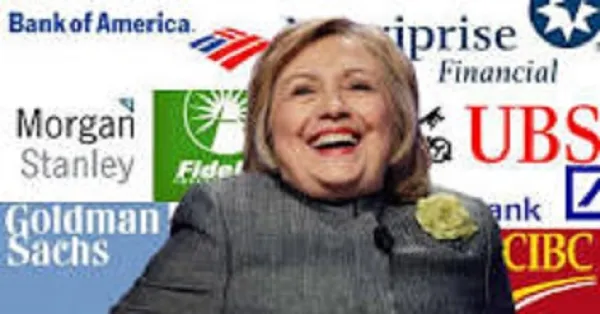
At first glance, Hillary Clinton's speeches to Goldman Sachs, which she refused to show us but WikiLeaks claims to have now produced the texts of, reveal less blatant hypocrisy or abuse than do the texts of various emails also recently revealed. But take a closer look.
Clinton has famously said that she believes in maintaining a public position on each issue that differs from her private position. Which did she provide to Goldman Sachs?
Yes, Clinton does profess her loyalty to corporate trade agreements, but at the time of her remarks she hadn't yet started (publicly) claiming otherwise.
I think, in fact, that Clinton maintains numerous positions on various issues, and that those she provided to Goldman Sachs were in part her public stances, in part her confidences to co-conspirators, and in part her partisan Democratic case to a room of Republicans as to why they should donate more to her and less to the GOP. This was not the sort of talk she'd have given to labor union executives or human rights professionals or Bernie Sanders delegates. She has a position for every audience.
At first glance, Hillary Clinton's speeches to Goldman Sachs, which she refused to show us but WikiLeaks claims to have now produced the texts of, reveal less blatant hypocrisy or abuse than do the texts of various emails also recently revealed. But take a closer look.
Clinton has famously said that she believes in maintaining a public position on each issue that differs from her private position. Which did she provide to Goldman Sachs?
Yes, Clinton does profess her loyalty to corporate trade agreements, but at the time of her remarks she hadn't yet started (publicly) claiming otherwise.
I think, in fact, that Clinton maintains numerous positions on various issues, and that those she provided to Goldman Sachs were in part her public stances, in part her confidences to co-conspirators, and in part her partisan Democratic case to a room of Republicans as to why they should donate more to her and less to the GOP. This was not the sort of talk she'd have given to labor union executives or human rights professionals or Bernie Sanders delegates. She has a position for every audience.
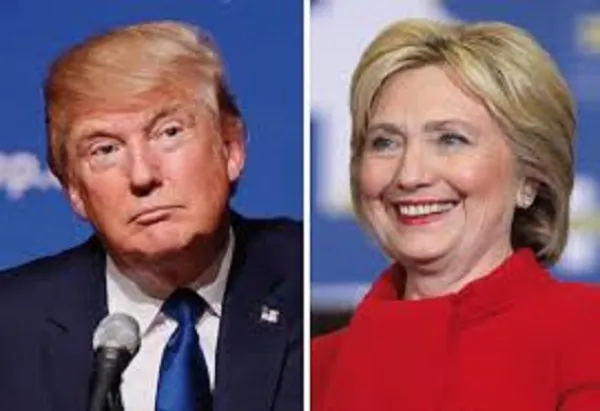
“This politics of fear has actually delivered everything we were afraid of.”
Well, OK, let’s think about these words of Jill Stein for a moment, as the 2016 presidential race enters, oh Lord, it’s final month — and the possibility still looms that this country could elect a hybrid of Benito Mussolini and Jim Crow its next, uh, commander in chief.
Politics of fear, indeed! Most of the people I know are going to vote for Hillary Clinton, and I get it. The other guy is the most unapologetic “greater evil” the Democrats have ever been blessed with.
BY JESSE JACKSON
September 13, 2016
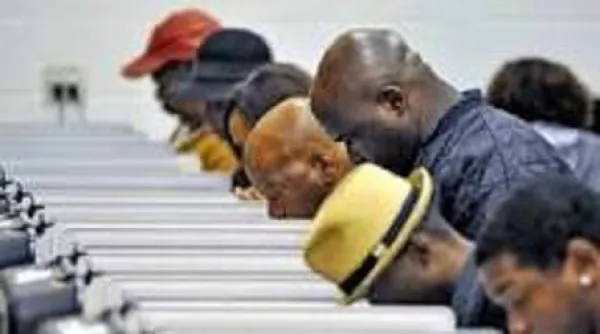
Are black voters so loyal to Democrats that their issues are ignored? Donald Trump suggests as much, arguing that blacks had “nothing to lose” by voting for him. Now a column by Farai Chideya at FiveThirtyEight cites academics who make a similar argument.
In recent elections, about 90 percent of the black vote has gone to Democrats. Chideya cites Professor Paul Frymer of Princeton, who argues that politicians focus their appeals on swing voters, particularly “moderate, disaffected whites in the middle — whether you call them soccer moms or NASCAR dads.”
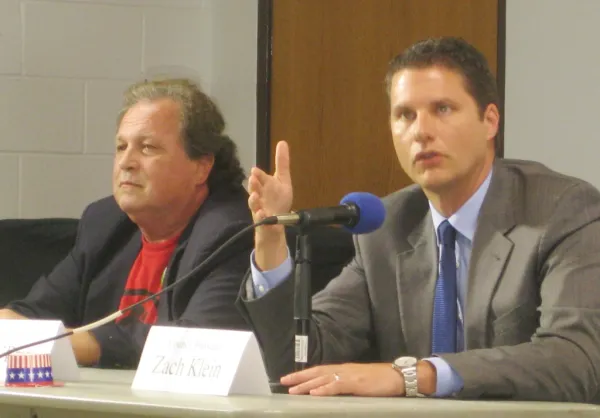
On September 14, two candidates for Franklin County Prosecutor answered questions about how they would respond to officer-involved shootings, if elected. As the candidates’ forum at Mt. Olivet Baptist Church proceeded, only one mile away 13-year-old Ty’re King was pursued and shot multiple times by Columbus police. He was taken to Nationwide Children’s Hospital and pronounced dead a few minutes after the candidates’ forum ended.
Adrienne Hood spoke at the beginning of the forum. Her son Henry Green was killed by Columbus police on June 6. “It’s unfortunate that the person who can give me the justice that my son deserves is not here,” she said, indicating the empty chair reserved for Ron O’Brien, the incumbent County Prosecutor candidate. O’Brien has not responded to demands by Green’s family to indict the officers who shot him and appoint an independent prosecutor to oversee the case.
Diversion programs