
Global

I've come around in favor of backing all moderates. The question appeared to me for a long time as a difficult one. Should one give anti-aircraft weaponry, for example, to al Qaeda fighters in Syria in order to better combat ISIS (which could some day develop the airplane)?
The answer is yes, if, and only if, those fighters are moderates.
Now, who's a moderate? Some people get confused on this part, but it's not really that difficult to get straight. Fighters who want to blow up buildings and airplanes and cars and pedestrians and playgrounds can be either moderates or extremists, since war has nothing to do with their categorization. After all, we're picking which people to arm in the war.
Also, the question of whom a fighter is fighting for or against is completely irrelevant. The CIA and the Department of Defense have armed and trained forces that are fighting against each other in Syria. Obviously, both are moderate.
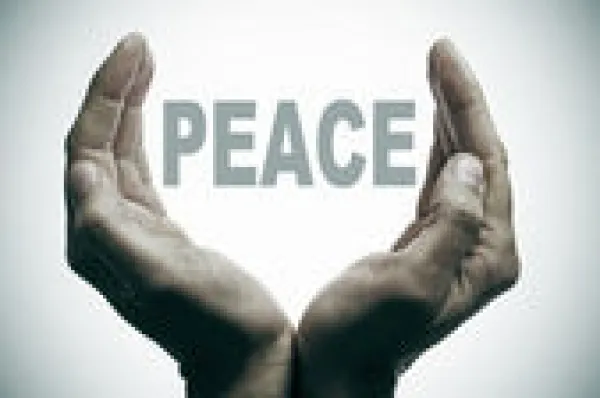
The New York Times recently claimed, and peace advocates repeated, that President Barack Obama will be the first U.S. president to have been at war for two complete four-year terms. It's also become common to refer to the current U.S. war on Afghanistan as the longest U.S. war ever. These ideas fit well with the universal activist demand that we return to the time of peace or the age of justice or the wisdom of the Founding Fathers or the era before superdelegates.
This is all based on a fundamental misunderstanding of history, and of its uses and abuses for life. You cannot "take back our country!" because you never had it. There is no age of peace or justice to be returned to. The United States has been at war since before it was a United States, and formed itself as such in part in order to expand its western wars.
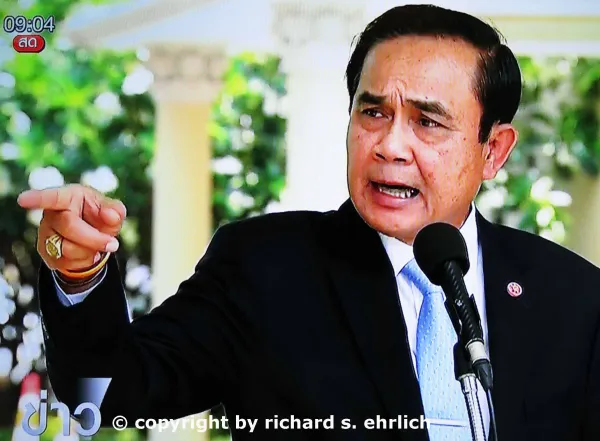
BANGKOK, Thailand -- Coup-installed junta leader Prayuth Chan-ocha
said he does "not violate any human rights" because he is not using
violence to enforce his edicts including a new crackdown against
anti-regime jokes, political comments on Facebook, and subversive
graphic T-shirts.
After twice meeting President Obama during trips to California and
Washington DC this year, Prime Minister Prayuth shrugs off U.S. and
international criticism of his regime but promises to enforce his
absolute power without brutality.
"Exercising my power must not violate any human rights. By
'violate,' I mean using violence," the coup leader said on May 3.
"We never touched them at all, because we have always been careful."
Mr. Prayuth was describing his junta's treatment during the past
two years against dozens of political dissidents who suffered arrests,
week-long "attitude adjustment" detentions in military camps, and
longer imprisonment for civilians convicted in Bangkok's Military
Court.

One day a couple of weeks ago I was reading Saint Augustine while driving to the local convenience store, and I accidentally drove right through the front glass wall of the store, smashing up some shelves of junk food. After I'd made my purchases, a police officer stopped me and asked if I'd intended to drive into the store. "Oh, not at all," I replied. "I intended to get here as quickly as possible while also educating myself as quickly as possible. I knew I might crash, of course, but that wasn't part of my intention."
"Well," the cop replied. "Where should we send the check for your car repair?"
"I'll let you know," I replied, a bit annoyed by the hassle.
 y now, anyone paying the least attention knows that the dishonest Democratic establishment and dishonest mainstream media have created a false narrative of bad behavior by Bernie Sanders supporters at the Nevada State Democratic State Convention on May 14.
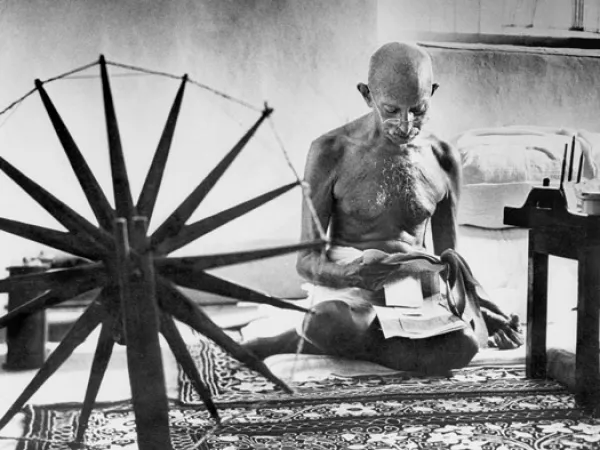
I have enjoyed reading accounts and seeing photos of those committed and courageous climate activists who participated in the recent Break Free from Fossil Fuels actions conducted at various locations in 13 countries from 4-15 May 2016. See 'Break Free from Fossil Fuels' https://breakfree2016.org/
Much of what was done was creative (some of it demonstrating considerable flair) and, mostly, how it was done reflected a sound understanding off nonviolent principles and dynamics to which virtually all activists adhered. In this regard I must acknowledge the thoughtful 'action agreements' signed by participating activists, the conduct of nonviolence education workshops, the police liaison, legal briefings and arrest support, and the widespread recognition that secrecy and sabotage have no part to play in nonviolent actions for them to be strategically effective.
http://davidswanson.org/node/5143
Remember when coups and assassinations were secretive, when presidents were obliged to go to Congress and tell lies and ask permission for wars, when torture, spying, and lawless imprisonment were illicit, when re-writing laws with signing statements and shutting down legal cases by yelling "state secrets!" was abusive, and when the idea of a president going through a list of men, women, and children on Tuesdays to pick whom to have murdered would have been deemed an outrage?