
Local
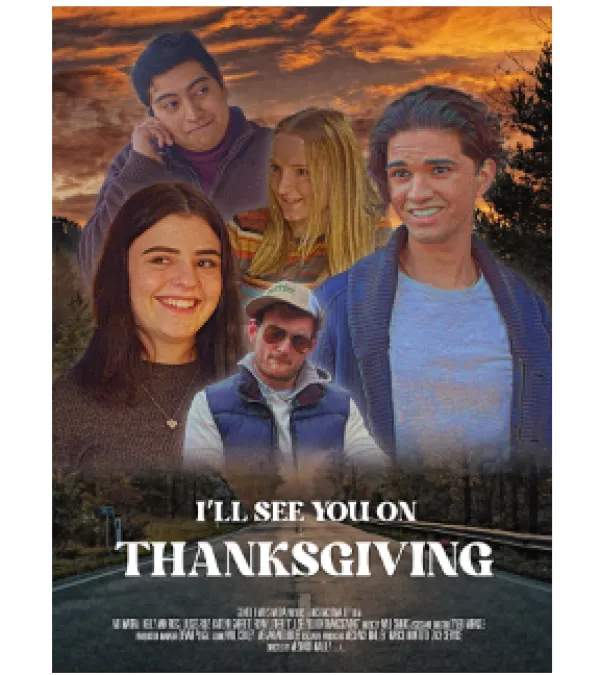
Saturday, November 11, 1pm, Studio 35 Cinema & Draft House, 3055 Indianola Ave.
This event will be the premiere screening of a new film by Meshach Malley, the son of pioneering Simply Living family, Michael and Ali Malley.
Meshach graduated last year from Denison University with a degree in Cinema. Since then, he and his production company, Gentle Embers Media, have been working diligently to create creative content. See his work on his YouTube channel and on his website.
This movie was filmed in the Columbus area and at Ali’s childhood home on Indianola Ave. The movie is a heartwarming comedy-drama about recent college graduates. The intended audience is older teens and adults. If you can’t make it that day, the film will be available for rent on Amazon Prime Video during November.

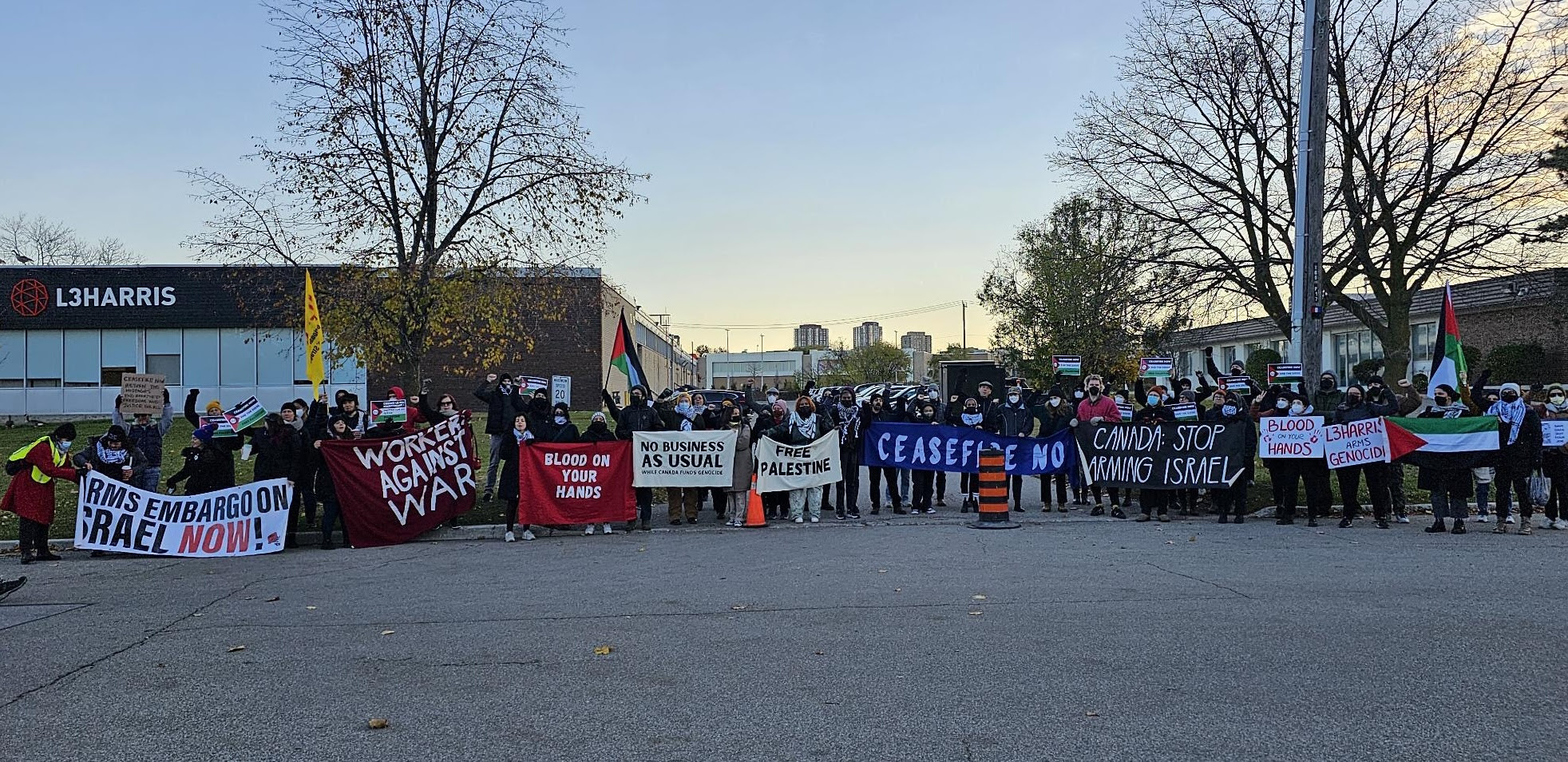
Canada must stop arming Israel, said more than 200 workers who blocked the entrances to a Toronto weapons manufacturer Friday morning.

The typical response in the United States to the gradual buildup to a war, or even the launching of a war, or even the launching of a war that is reported in U.S. corporate media, is absolutely nothing different: work, school, shopping, sports, movies, etc.
Among those who have some response, it’s typically based on their understanding of the particular war, shaped largely by corporate media, by the political party of the U.S. president at the time (which makes waging wars in the name of democracy even stranger), by the accumulated months or decades of related propaganda in the culture at large, and by the nature of the war itself — typically understood as if human history had begun the day the war began.
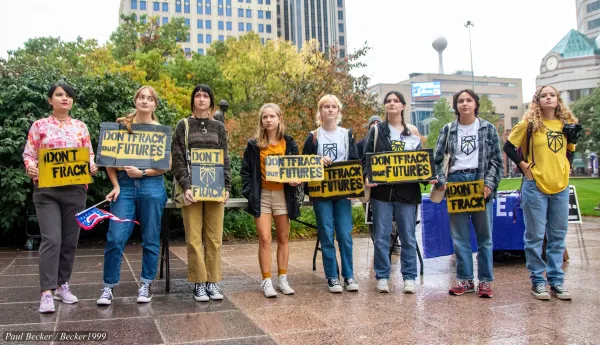
A meeting for the Ohio Oil and Gas Land Management Commission (OGLMC) to
decide to permit or deny fracking four Ohio state parks and wildlife areas
will be held Wednesday, November 15 at the Ohio Department of Natural
Resources (ODNR) office, 2045 Morse Road in Columbus.
Save Ohio Parks will host a press conference outside the ODNR building on a
grassy area at 9:30 a.m., just before the 10:30 a.m. meeting. The public is
invited.
"The OGLMC has had almost a year to educate itself on the human health
effects, environmental impacts and climate concerns that would likely affect
citizens, Ohio state parks and the world should these fracking leases be
granted," said Randi Pokladnik, steering committee member of Save Ohio
Parks. "We and other environmental groups and citizens have inundated the
commission with thousands of emails, citing research, peer-reviewed health
studies and climate data associated with fracking. Now it's up to them to do
the right thing for Ohioans by denying leases to frack under our state parks
and public lands."
The OGLMC, made up of five people appointed by Gov. Mike DeWine is tasked
A meeting for the Ohio Oil and Gas Land Management Commission (OGLMC) to
decide to permit or deny fracking four Ohio state parks and wildlife areas
will be held Wednesday, November 15 at the Ohio Department of Natural
Resources (ODNR) office, 2045 Morse Road in Columbus.
Save Ohio Parks will host a press conference outside the ODNR building on a
grassy area at 9:30 a.m., just before the 10:30 a.m. meeting. The public is
invited.
"The OGLMC has had almost a year to educate itself on the human health
effects, environmental impacts and climate concerns that would likely affect
citizens, Ohio state parks and the world should these fracking leases be
granted," said Randi Pokladnik, steering committee member of Save Ohio
Parks. "We and other environmental groups and citizens have inundated the
commission with thousands of emails, citing research, peer-reviewed health
studies and climate data associated with fracking. Now it's up to them to do
the right thing for Ohioans by denying leases to frack under our state parks
and public lands."
The OGLMC, made up of five people appointed by Gov. Mike DeWine is tasked

During the pandemic, the government embarked on a beautiful experiment: expanding public programs to stave off poverty. One critical component was ensuring that public school students had free lunches regardless of family income.
During the 2020-2021 school year, 98 percent of all school lunches were free to students. All of a sudden, public schools were allowed to treat the idea of feeding students to be as essential as educating them.
Fossicking through the discord and strife in the world, to find some alluvial meaning, or trace elements of hope, and the common truth about their value and their sources, we have to kneel down, get close, and appreciate anew, the difference between muck, fool’s gold and gold.
Our social media is inundated with sensationalist news, boosted and curated deliberately to incite outrage, and as a society, we have normalised the habit of ejaculating our meaningless opinion onto everything.
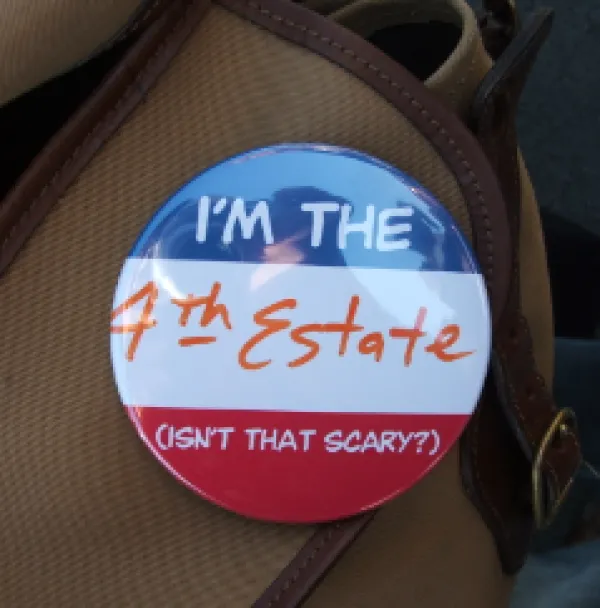
Our news media have long since ceased being the vigilant guardians of public discourse, the Fourth Estate's foundational role. They have declined in virtue and value, increasingly favouring immediacy over investigation, and provocation over profundity, leaving the essential mission of informing the public with unbiased and thorough journalism in the balance. This decline has eroded the bedrock of trust and accountability that should underpin our information landscape.
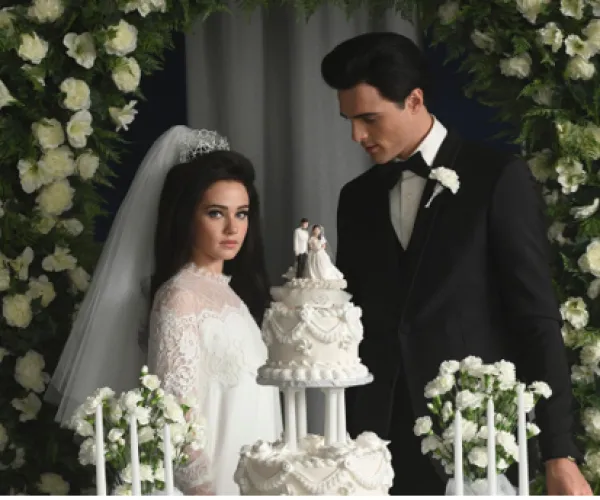
Sofia Coppola's "Priscilla" is the biopic inspired by Priscilla's 1985 memoir, 'Elvis and Me,' focusing on Priscilla's perspective of her relationship with Elvis, which is sometimes suffocating. Coppola's film is the opposite of what Baz Luhrmann aimed to portray in "Elvis" (2022).
Coppola likely relates to her own experiences living in the shadows of a powerful and successful man—her father, Francis Ford Coppola—drawing parallels to Priscilla's journey toward independence.
Priscilla Beaulieu is an innocent teenager when she meets the heartthrob Elvis Presley in Germany, far from his rock-and-roll kingdom. What begins as a starstruck crush, fueled by shared homesickness, evolves into a complicated love affair, revealing the unseen vulnerabilities of a cultural icon. Their relationship progresses from the initial fairytale excitement to a whirlwind marriage, and the film poignantly depicts their life together.
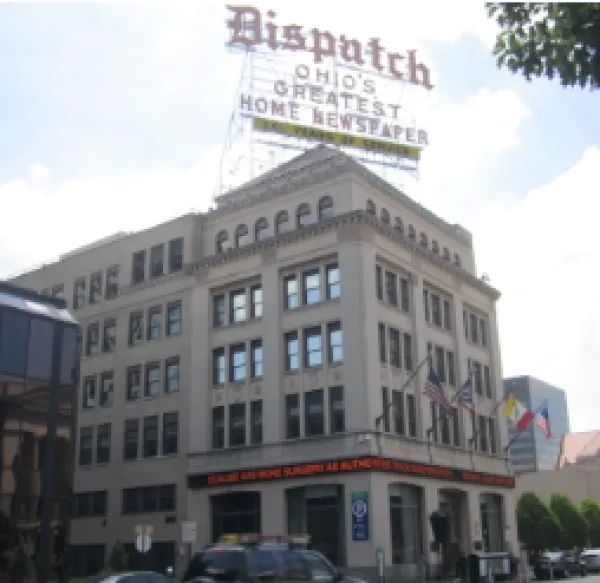
If anyone—that is, the relatively few Columbus residents who pay attention—had any doubts, the election results and the self-celebration of the re-elected seal the anti-democratic, anti-publics deal.
Consider these facts:
The “mayor” in name only—who accepts his unearned, increased salary for not doing his job, not knowing the city, and accepting no responsibility for anything—ridiculously proclaims:
“The Columbus Century” and “the sun is always rising in Columbus.”
As a historian, I should be stunned. But I know better than that. Despite his private developers and private interest group funded campaign war-chest of more than $1.5 million dollars (likely closer to $2 million) and City Hall staff working for his campaign including appearances in ads, Ginther ignorantly borrows on political economic rhetoric of the late 19th and early 20th century of “the American—and many other--‘centuries.’” This echoes the World’s Columbian Exhibition in Chicago in the 1890s. It is not the metropolitan rhetoric of the 21st century.
Why can’t Andy and the City of Columbus hire a qualified advertising agency or PR firm? They spend more than enough!

Friday, November 3, 2023, 12:00 PM
Join AFSC staff every Friday at to hear updates from Gaza. Then, take action with us as we contact our elected officials and call for an immediate cease-fire and humanitarian access to Gaza. Our elected officials need to keep hearing from us. Register here