
Local
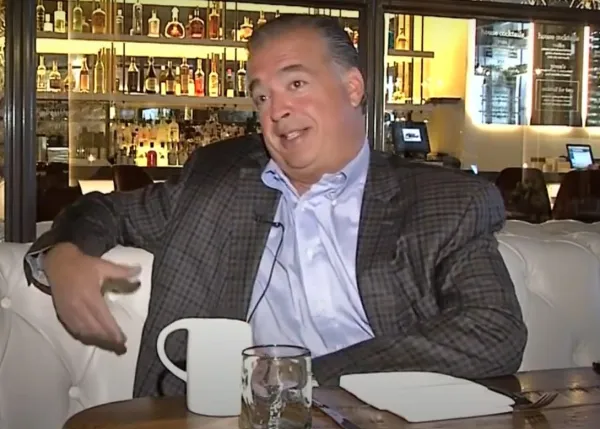
Everybody in town knows who Cameron Mitchell is and many have dined at his local establishments, such as Cap City Diner. His meteoric rise from dishwasher to nationally recognized restaurateur is also well-known. His restaurants, while pricey and bougee for some, have given Columbus a je ne sais quoi flavor (kinda).
Ask anyone who has worked in one of his kitchens or carried his golf clubs at a local country club and they’ll tell you he’s a down-to-earth guy. Cameron also has significant influence over Ohio’s restaurant scene. The Free Press heard he had a big say on re-opening protocols during the pandemic. His restaurant group, Cameron Mitchell Restaurants, sits on the Ohio Restaurant Association’s board, as does Wendy’s, White Castle and the ole’ Rusty Bucket, which Cameron is part owner.

Part Three
Private (aka Public) Service
As the foregoing demonstrates, Zoning is central to The Columbus Way. So too is Jennifer Gallagher’s far too large, disorganized, uncoordinated, and city wrecking Division of Private (aka Public) Service. This division makes no organizational, operational, or logical sense, as it waddles from parking enforcement to right of ways (roads and sidewalks) inspection and maintenance, signage, street sweeping, construction of various kinds, awarding of contracts to short-term lease vehicles and electric scooter and bicycle rental companies for their objects to dangerously and harmfully litter the sidewalks and streets of the city,
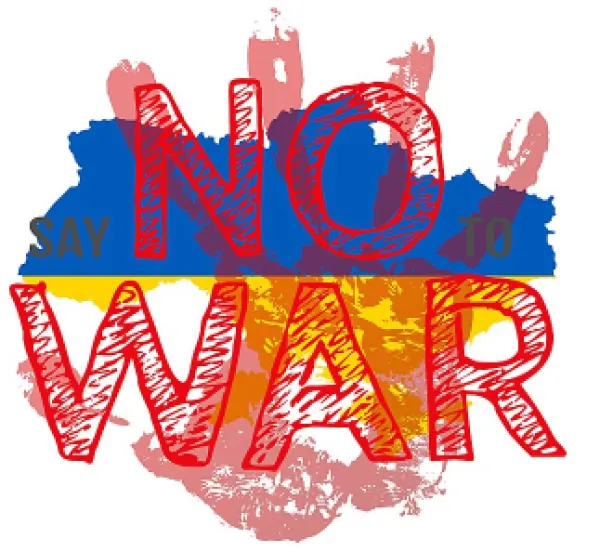
When Japan invited the leaders of Brazil, India and Indonesia to attend the G7 summit in Hiroshima, there were glimmers of hope that it might be a forum for these rising economic powers from the Global South to discuss their advocacy for peace in Ukraine with the wealthy Western G7 countries that are militarily allied with Ukraine and have so far remained deaf to pleas for peace.
But it was not to be. Instead, the Global South leaders were forced to sit and listen as their hosts announced their latest plans to tighten sanctions against Russia and further escalate the war by sending U.S.-built F-16 warplanes to Ukraine.

Simply Living volunteered to run a Beverage Booth at the Arts Festival on June 9 & 11. Now we are seeking folks for the shifts.
SL embraced this effort to earn some funds and get the word out about Simply Living and how important green/sustainable efforts are for our community.
Simply Living will share the funds earned with the organizations that help fill shifts with their folks.
Interested? Contact Lynn Stan: lynn.stan@simplyliving.org
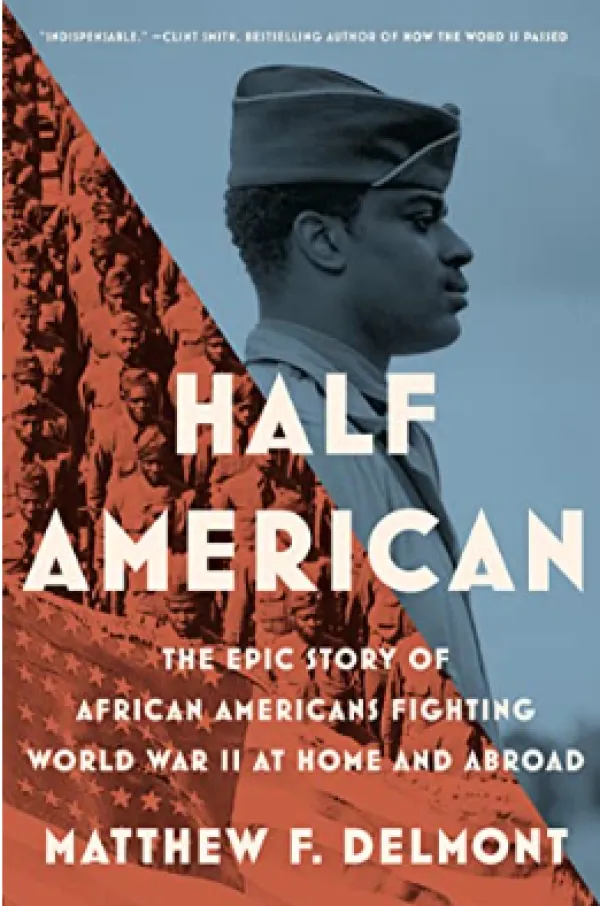
My late mother’s only brother, Willie D. Grandy–she and her sisters fondly called him WD or Broboy–fought in World II. My mother on occasion talked about missing him while he was away, and how they often didn’t know where he was. I never heard him talk about the war, and it never occurred to me to ask about it. Because of that missed opportunity, I was delighted when a dear friend recommended Half American, which offers a long overdue correction of the narrative of the so-called “Good War” by focusing on the crucial roles played by black Americans at home and abroad.

May 11 marked the one-year anniversary of the murder of Palestinian America journalist Shireen Abu Akleh who was killed by an Israeli soldier while wearing a clearly marked vest while on assignment to cover a military raid in Jenin refugee camp in the illegally occupied West Bank. To date, the U.S. has not held Israel accountable.
Our government is morally bound to hold Israel accountable for this and any other extrajudicial killings in Palestine because of the nearly four billion dollars of military aid our taxes provide to Israel and our unwavering disapproval of any action by the U.N. to hold Israel accountable under international law. It’s our responsibility as U.S. citizens, to hold our government to the highest moral standards. Israel must be held accountable for its human rights violations, and the US must stop paying for human rights abuses!
Israeli defense forces have killed at least 23 journalists in Palestine since 2002, according to UNESCO data, and hundreds have been injured by or targeted with violence. (1)
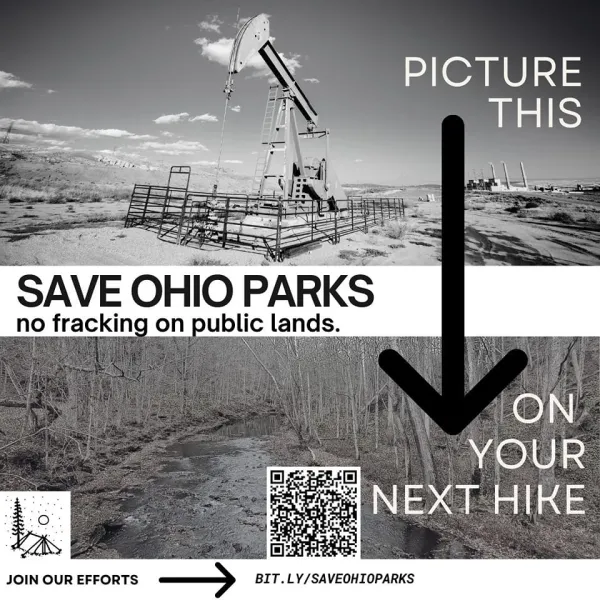
This week the window opened for oil and gas companies to submit nominations to the Oil and Gas Land Management Commission for parcels of Ohio public land – including our state parks, forests, and wildlife areas – to be leased for oil and gas extraction.
Even before today’s opening, out-of-state company Encino Energy submitted a proposal to the Ohio Department of Natural Resources, asking to build 14 fracking pads housing up to 89 frack wells around Salt Fork State Park.
Today the Ohio Oil and Gas Association called the opening of all of our taxpayer-owned public lands to oil and gas extraction a “ribbon-cutting” – as if our most treasured public lands are there for the industry to take what they want.

Thursday, June 1, 9:30am-1pm
Starbucks, 1085 W. Fifth Ave.
West 5th Starbucks is experiencing anti-LGBTQ+ actions from their manager resulting in making the workers feel incredibly unsafe. Being that it’s pride month, most stores are installing pride flags. Which is what west 5th has done but then their manager came in and RIPPED it from the wall and threw it aside crumbled up on a shelf. When confronted about why he said it was not supported by “corporate” and he didn’t want to get in trouble. Turns out our friend Jill the District Manager is going to be there tomorrow! So store leader Shenby and I have discussed organizing a Sip-in during the day to show the workers that the community stands with them and also openly talk to them (and express to management) that Columbus has PRIDE.
Starbucks thinks they can cash in on pride month but still deny queer partners safety at their stores and disrespect them! We want to show them that Columbus will not stand for hypocrisy!
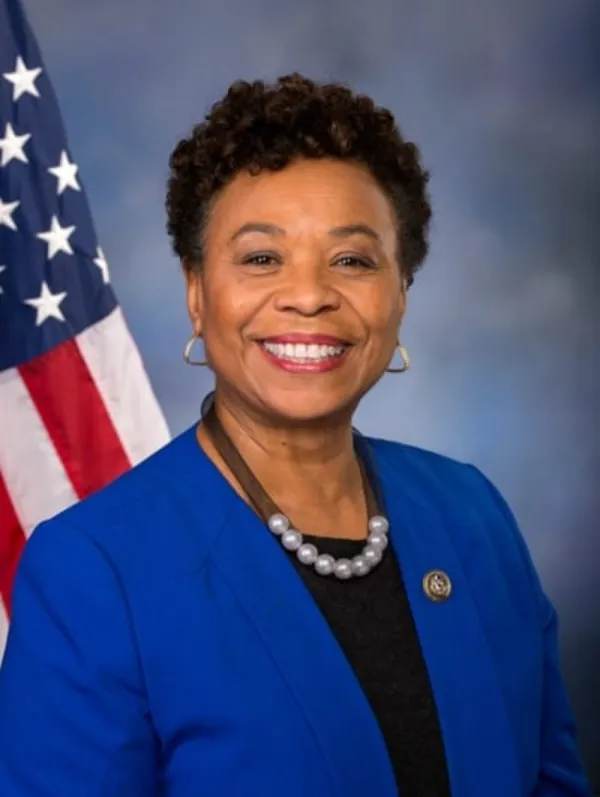
Twenty-two years ago, Congress put sanity up for a vote. Sanity lost in the House, 420-1. It lost in the Senate, 98-0.
Barbara Lee’s lone vote for sanity — that is to say, her vote against the Authorization for the Use of Military Force resolution, allowing the president to make war against . . . uh, evil . . . without congressional approval — remains a tiny light of courageous hope flickering in a chaotic world, which is on the brink of self-annihilation.
Militarism keeps expanding, at least here in the USA. If there’s a problem out there, option one is to kill it quickly. Problem solved! This simplistic (and utterly false) mindset, which is always present — the companion of fear — may have a grip on American politics like never before, as demonstrated in the recent debt-ceiling standoff, in which President Biden came to an agreement with the Republicans that social spending will be slashed but “defense” spending must continue to expand.

There seems to be no political will to address the climate crisis with any meaningful measures. The science is crystal clear: human activity is the # 1 driving force of climate decline. We know this, it’s common knowledge. Yet the powers-that-be, the oil companies and their cohorts are determined to extract every last drop of oil, regardless of the impact on the planet.
We are seeing massive storms and tornados raging. The polar ice caps are melting at an alarming rate. This is a huge threat to the quality of life for future generations.
Scientists predict that by 2040-50, if things don’t change, the polar ice caps will have melted and coastal communities will be under water.
The famous psychic Edgar Casey predicted that the Ohio River valley would be coastal! Think of your favorite beach or island – gone forever. If we all don’t demand action now, that startling scenario will unfold. The melting is happening faster than expected, as we speak.