
Local

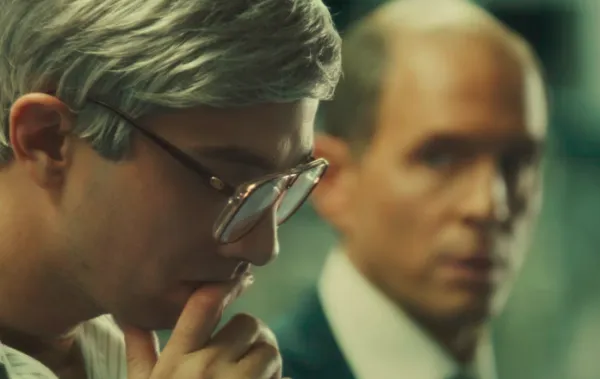
You might already know why the BlackBerry failed; if not, you can always search for the reason on your iPhone. Instead, I recommend watching the biographical comedy-drama directed by Matt Johnson, which cleverly blends sharp wit with insightful intelligence that delivers a highly entertaining exploration of the rise and fall of the smartphone that shaped an era.
"BlackBerry," tells the story of two unlikely partners, the innovative inventor Mike Lazaridis and the fiercely competitive businessman Jim Balsillie, who collaborated to create a global sensation in just over a decade. They were the driving forces behind the BlackBerry, a revolutionary mobile phone that altered how people worked, played, and communicated. A handheld sensation that, for the first time, allowed email, text messaging, web browsing, and, not to mention, phone calls. The integrated keyboard was a game-changer of its time. I can't say how much of the movie's narrative sticks to the actual facts, but it doesn't detract from the story's wit, charm, and compelling depiction of risk, reward, and fall from grace.
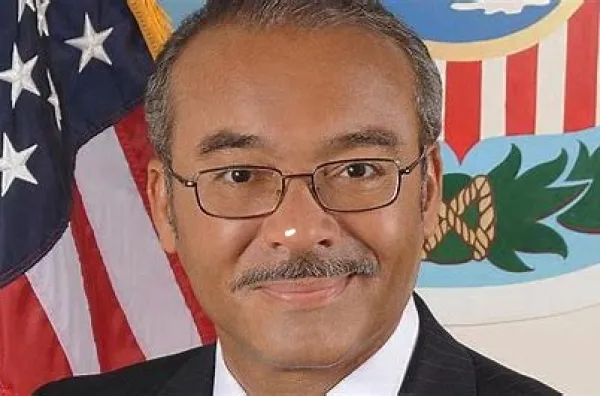
By Colemanville, I refer to undemocratic, unrepresentative ragged-edged principality of Columbus’ power elite dominated by the now more powerful former mayor Michael Coleman and his self-appointed Columbus Downtown Development Commission; the Columbus Partnership (whose leaders live outside the city): their promotional agents the Columbus Dispatch and Columbus Metropolitan Club, who dictate commands to Andy Ginther and the now minority-majority city council. They undemocratically rule the City but willingly remain almost completely unknowledgeable about it.
(Against all understanding, council president Hardin and now President pro tempore Dorans dizzyingly declare this unacceptable cosmetic change to be a genuine advance in Democracy, if not democracy, if I understand them correctly. It is often difficult to do so.)
Together, these self-appointed dictators maintain the power of the few, all profiteering private interests who pay for play in the long traditions of The Columbus Way. Together with the mayor and city council, they neglect the publics of Columbus. They rule by secret collusion and weak anti-factual slogans.

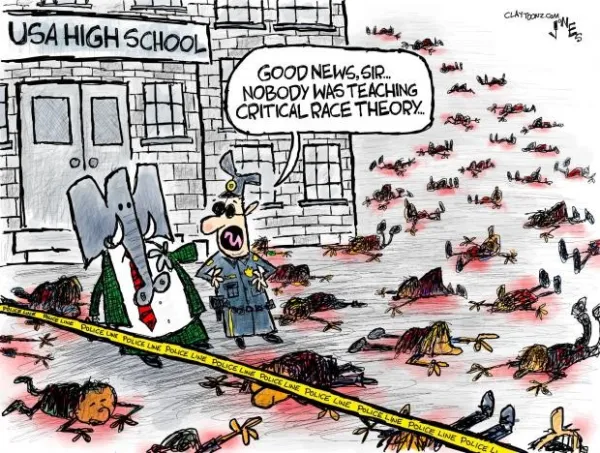
"As Ohio goes, so goes the nation.” The Buckeye State was once considered the ultimate bellwether in electoral politics. While the state has trended conservative in recent years with Republicans, on average, out-performing Democrats in the state by a 54-46 percent margin, the State Legislature’s composition gives the illusion that Ohio is overwhelmingly in the Republican camp.
Fri May 19 at 5pm and Sun May 21 at 2 pm

Thursday, May 18 7pm-9pm
Enarson Classrooms Building Room 214 at OSU
Join online: http://tinyurl.com/CORSmeeting
Join the Central Ohio Revolutionary Socialists!
This week, we will be meeting from 7-9pm to discuss our local organizing and workshop ideas for promoting the socialist cause in Columbus.
This week we will be discussing our anti fascist work, solidarity with the movement against Cop City in Atlanta, the Stop Intel campaign, and other work we’re involved. We encourage anyone whose interested in organizing in the socialist movement to join us.
Hope to see you there!
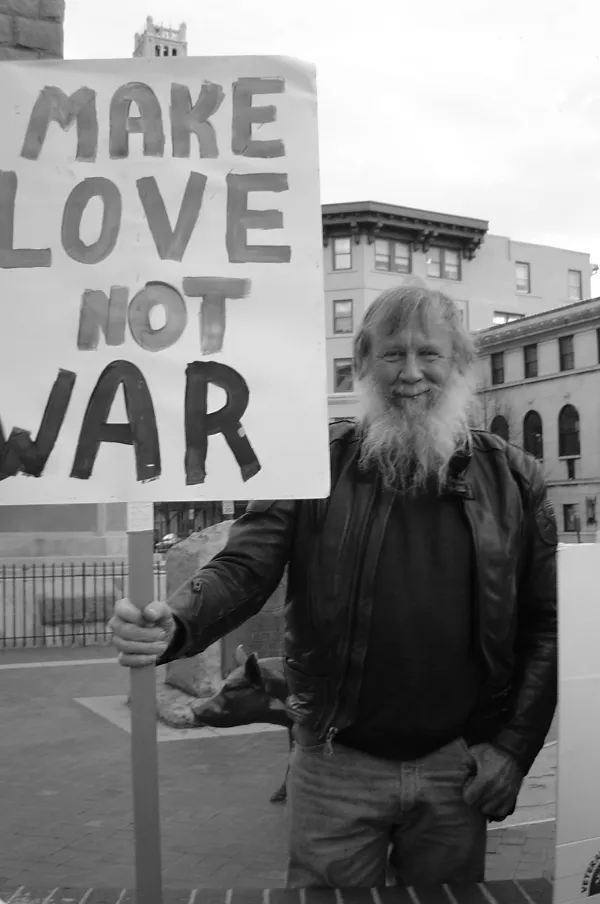
I’m looking at the new report from Costs of War.
Five years ago, I think Nicolas Davies credibly and conservatively estimated 6 million people directly killed in U.S. wars since 2001 in Iraq, Afghanistan, Pakistan, Syria, Yemen, Libya, and Somalia.
What Costs of War has now done is to go with the highly dubious but corporate-respectable estimate of 900,000 directly killed in all of those wars, but leaving out Libya and Somalia. They’ve then documented a pattern of four indirect deaths for every direct death. By indirect deaths, they mean deaths caused by a war’s impact on:
“1) economic collapse, loss of livelihood and food insecurity;
2) destruction of public services and health infrastructure;
3) environmental contamination; and
4) reverberating trauma and violence.”

In the last few days, selected Columbus residents received a text message fake opinion “survey” from uncredentialled market research company Research-Opinions.com in a brazenly dishonest and intolerable attempt to discredit me.
A friend of mine alerted me yesterday about the survey, and its unacceptably biased portrayal of Ginther as a successful mayor with absolutely no evidence. At the same time, it grossly misrepresented me as someone who opposes affordable housing and inclusiveness, and only runs for office “so he can get his name on the news.” Contradictorily, professional politician Ginther calls me “a professional political candidate.”
Ginther, his campaign, and his hacks are blatantly slandering and defaming me. These lies about me clearly demonstrate that Ginther, his campaign, and the Columbus establishment are already frightened about the head-to-head November election between two Democratic candidates for Mayor. My record of nearly 40 years of advocacy for justice, fairness, and quality of life issues for neighborhoods and everyday people of Columbus is a proven fact across this city. I am a Democrat. Ginther is not democratic.

Wednesday, May 17, 2023, 9:30 AM and 10:30 AM
Ohio Statehouse, 1 Capitol Square,
SB 83 & HB 151 are identical higher education bills banning required DEI (Diversity, Equity, and
Inclusion) training, policies based on gender and race, partnerships with China, and employee strikes;
they require online posting of syllabi and disciplinary measures for violations.
Opponent testimony is needed for BOTH bills (you can use the same testimony for each submission) AND we need you to PACK THE HEARING ROOMS AND SENATE FLOOR. Please join where and when you can to fight these coordinated attacks on academic freedom and SAFE, INCLUSIVE school campuses. More Information on SB 83 & HB 151. SB 83 is scheduled for a committee VOTE and possible full Senate VOTE on Wednesday at 9:30 AM in the Workforce and Higher Education Committee in the North Hearing room.
HB 151 Opponent Hearing is May 17 at 10:30 AM in the House Higher Education Committee, Room 17.
Complete information on how to submit opponent testimony and important talking points and
additional actions you can take is available here.