
Human Rights
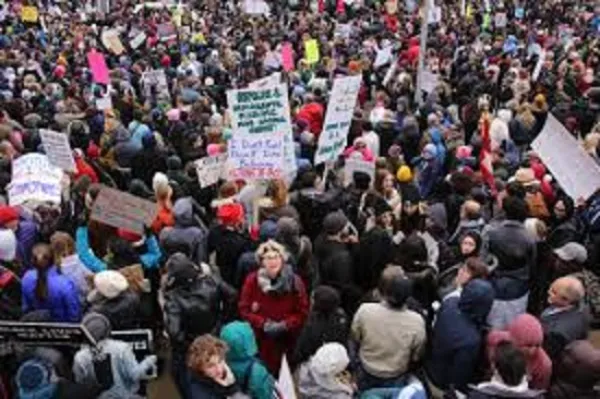
In written Chinese, the word “crisis” is represented by two characters. One of these, taken alone, means “danger”. The other, by itself, means “opportunity”. A crisis nearly always leads to great change. There is a danger that this will be a change for the worse. But there also is the opportunity to change society for the better - to reform and improve it. Both paths are present in a crisis like our present one. We must strive with all our strength to make society take the right path.
Our present crisis
In the midst of the COVID-19 pandemic, which is in itself a crisis, many American cities have erupted in massive protests over the senseless killing by police of yet another black man - George Floyd. The country is deeply divided. Throughout the world there have been anti-racist protests, partly in sympathy with the US protesters, and partly because racism exists in many countries.
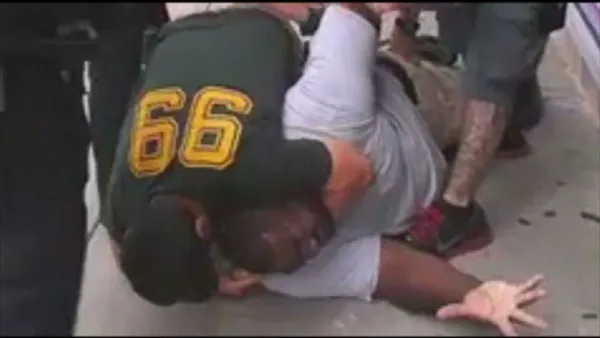
The killing of black man George Floyd by white Minneapolis police officer Derek Chauvin has produced the highest level of national unrest seen in the United States since the 1960s. Tens of thousands of protesters are demonstrating against racism and perceived police brutality. As it also comes at a time of coronavirus pandemic and record unemployment, it has the potential to change the U.S. in fundamental ways. The core issue is that many on the left, as well as some on the right, see America’s police as something like an “occupying force,” increasingly self-serving enemies of the people rather than careful protectors of the taxpayers’ lives and property.
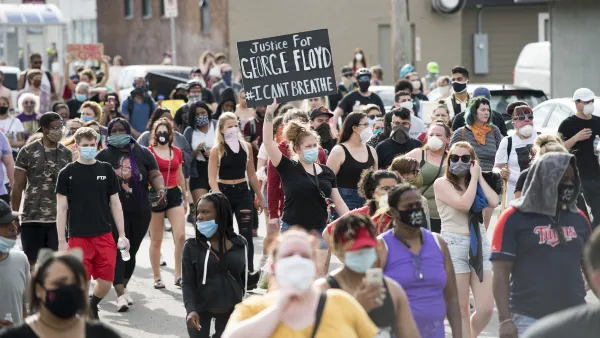
Already we’ve seen, as a result of people taking to the streets in the United States:
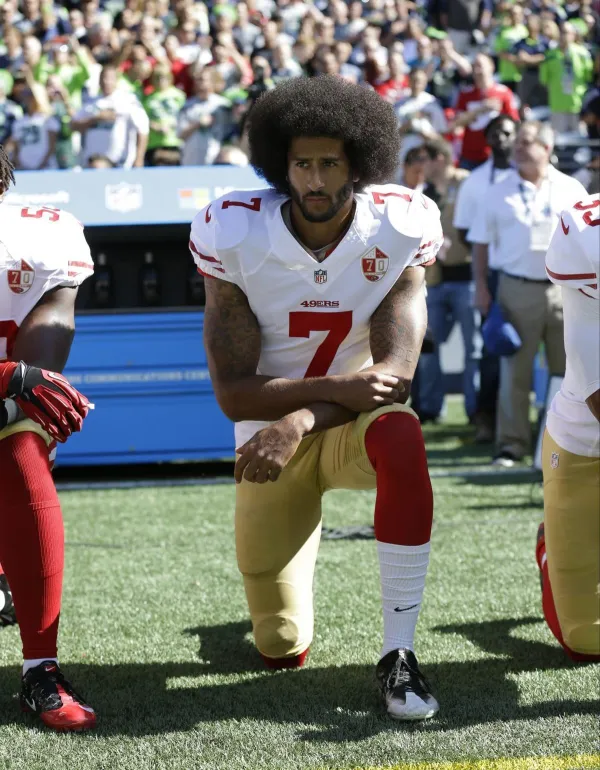
Is George Floyd today’s Emmett Till?
Is the nation moving beyond, oh God, its third manifestation of “legal” racism? The first manifestation was, of course, slavery, which was eliminated via the Civil War. The second manifestation was the Jim Crow/KKK era, with its lynchings, black vote suppression, unending segregation and unquestioned white supremacy; the civil rights movement undid at least the legal aspect of this horror, but hardly the racism itself. The third phase, which started percolating in the ’70s and came to a full boil in the ’80s and ’90s, began with expanding the prison-industrial complex, militarizing the police and, of course, engaging in endless wars abroad. This, along with quasi-legal vote suppression, kept American racism institutionally intact and — son of a gun! — turned out to be enormously profitable. And people of color continued to suffer.
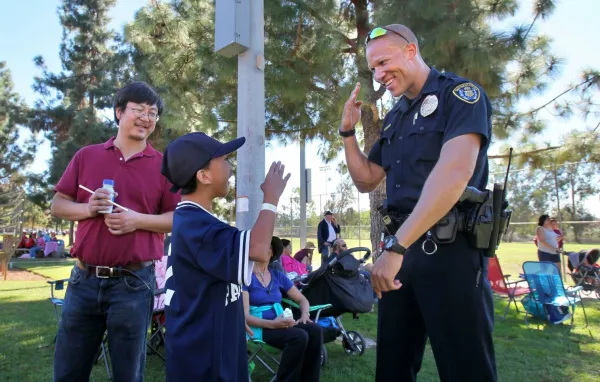
This is so much bigger than personal accountability.
Yes, the four police officers present at the Memorial Day killing of George Floyd in Minneapolis were fired the next day. The case is being investigated by the FBI. And the mayor of Minneapolis and lots of other politicians are talking about “values.”
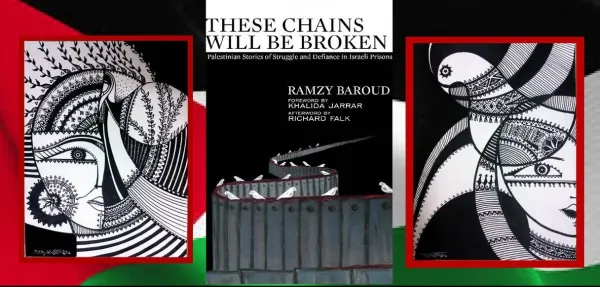
On May 15, thousands of Palestinians in Occupied Palestine and throughout the ‘shatat’, or diaspora, participated in the commemoration of Nakba Day, the one event that unites all Palestinians, regardless of their political differences or backgrounds.
For years, social media has added a whole new stratum to this process of commemoration. #Nakba72, along with #NakbaDay and #Nakba, have all trended on Twitter for days. Facebook was inundated with countless stories, videos, images, and statements, written by Palestinians, or in global support of the Palestinian people.
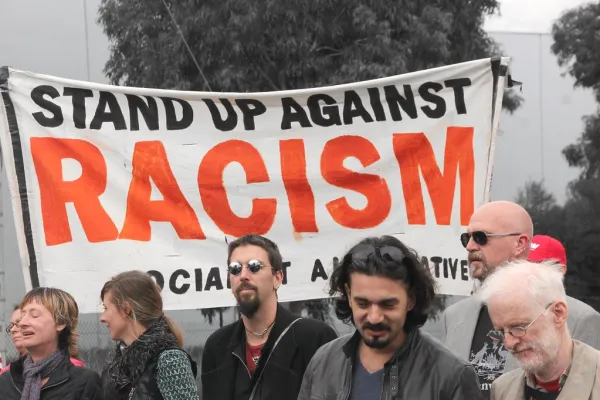
How deep does American racism go?
And is it possible to uproot it?
Or will it simply — endlessly — shift shape, wrap itself in the political correctness of the day and morph, say, from slavery to Jim Crow, from Jim Crow to stand-your-ground laws, gerrymandering and voter suppression?
At some point, the forces of sanity and survival must prevail and we must face this stain on the national soul with terrifying and transcendent honesty — and eliminate it. But how, oh God, how?
Every “legal” murder — by police, by private citizens — of a human being of color brings up such questions. The most recent race-entangled murder to suddenly explode across the headlines is that of Ahmaud Arbery, a 25-year-old man who was shot and killed on Feb. 23, while jogging in Brunswick, Ga. Two white men — a father (a former employee of the local District Attorney’s office) and his son — had seen him running through their neighborhood, assumed he was a criminal, grabbed their guns and stalked him down. The local DA, George Barnhill, refused to prosecute the case. No charges were filed against the two men for 74 days — until after a video of the shooting was made public.
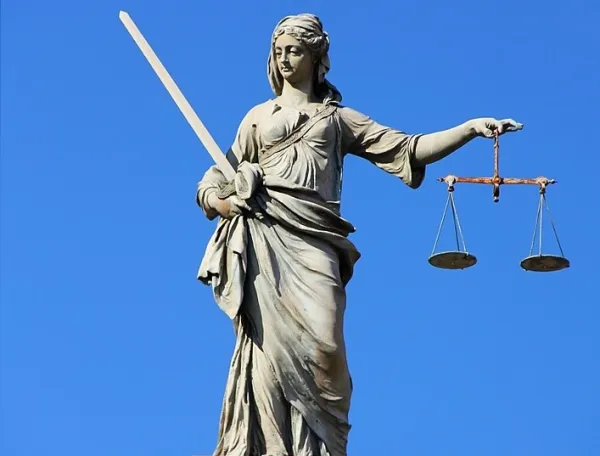
At a time when the president wants to reopen the economy — but not the borders! — it’s time to grab ahold of the moment and start groping in our minds beyond what’s politically possible and start envisioning serious social change.
Life is fervid chaos right now for those who are on the front lines of the pandemic, from hospital workers to grocery store clerks, not to mention those who are sick and dying — and those who are helpless and vulnerable, such as immigrants and prisoners — but for most people life has slowed down to a matter of staring out the window . . . or into the future.
Many of the life-shattering issues people are facing right now are manmade, and often result from an allegiance to the worst of who we are. How can this change? This is certainly the time to begin asking this question — and I mean globally, not just nationally.
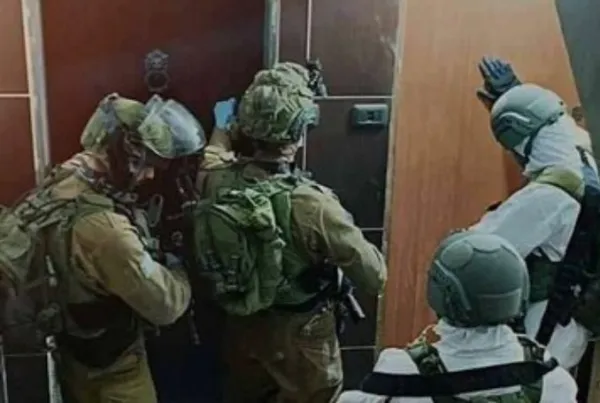
Spitting at someone is a universal insult. In Israel, however, spitting at Palestinians is an entirely different story.
Now that we know that the deadly coronavirus can be transmitted through saliva droplets, Israeli soldiers and illegal Jewish settlers are working extra hard to spit at as many Palestinians, their cars, doorknobs, and so on, as possible.
If this sounds to you too surreal and repugnant, then you might not be as familiar with the particular breed of Israeli colonialism as you may think you are.
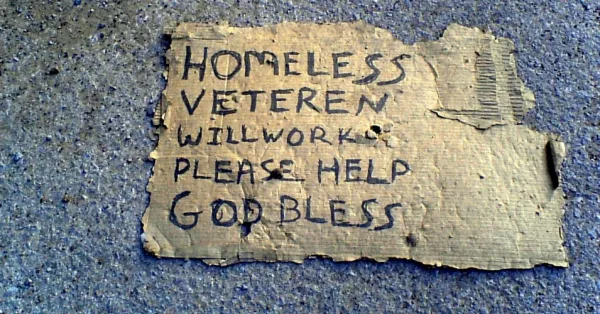
"The vet in the mirror may be wounded in the soul—and it is your duty to carry this one last vet for help."
This is not an easy reach—into the soul of the loneliest man or woman on Earth, which is the definition of everyone who is on the brink of committing suicide. For decades, Roland Van Deusen has been reaching out to a particularly endangered subgroup of such people: abandoned veterans, left with nothing but their own traumatic memories, their shame and guilt.
The words above are from a two-minute video that is suddenly, in this time of lockdown, his only means of reaching out to vets. A counselor and psychiatric social worker as well as a Vietnam-era Navy veteran, Van Deusen has been working with vets and supporting veterans’ groups for years, telling the lost they are not alone . . . that the moral injuries of war can be healed.
The nation’s, and the world’s, moral injuries are still present and hidden, silently continuing to destroy people’s will to live.