
Human Rights
By Nicolas J S Davies, World BEYOND War, November 29, 2019
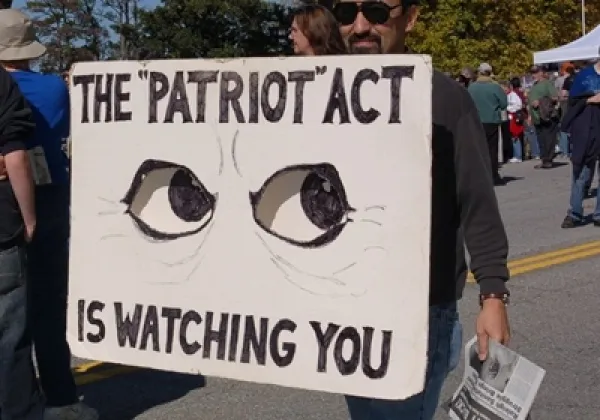
Last week, the Democratic leadership put an extension of the Patriot Act into a “continuing resolution” that averted a government shutdown. More than 95 percent of the Democrats in the House went along with it by voting for the resolution. Both co-chairs of the Congressional Progressive Caucus, Pramila Jayapal and Mark Pocan, voted yes. So did all 11 of the CPC’s vice chairs.
It didn’t have to be that way. House progressives could have thrown a monkey wrench into the Orwellian machinery. Instead, the cave-in was another bow to normalizing the U.S. government’s mass surveillance powers.
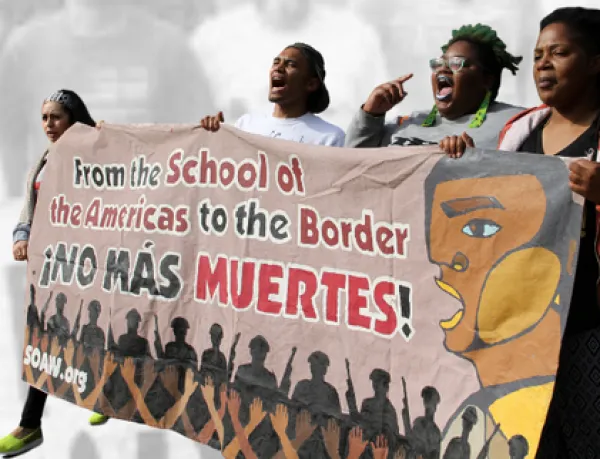
This year, hundreds will gather at the gates of the School of Americas (SOA)/The Western Hemisphere Institute for Security Cooperation (WHINSEC) at Fort Benning, Georgia from November 15-17, as Latin America again experiences violent repression by US-trained and funded state forces.
Mobilization4Mumia
215-724-1618
Mobilization4Mumia.com
November 15, 2019 FOR IMMEDIATE RELEASE
CONTACT: Pam Africa 267-760-7344 or Joe Piette 610-931-2615; mobilization4Mumia@gmail.com
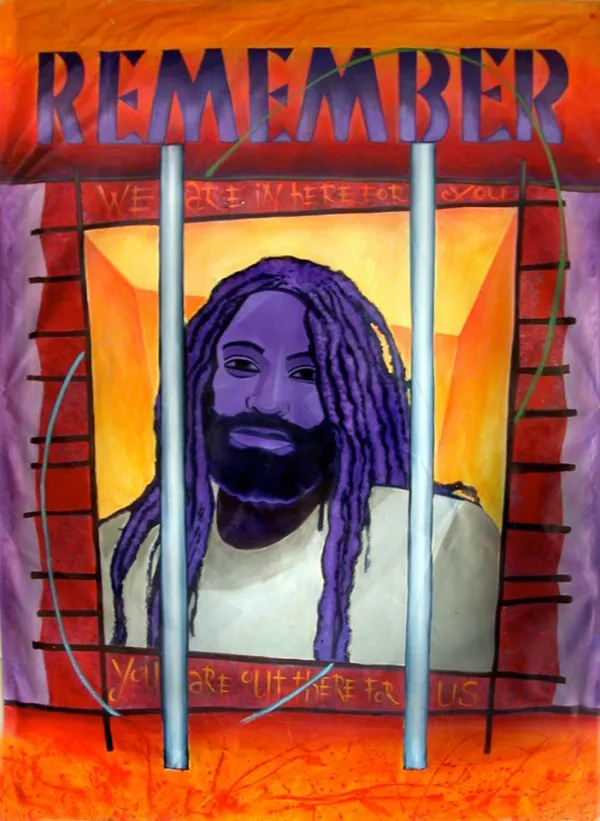
Mumia Abu-Jamal and his supporters are closer than ever to winning his release after 38 years in prison for a crime he didn’t commit. The Fraternal Order of Police, former district attorneys, and other political higher ups who participated in the frame up are now shaking in their boots because an innocent man may be given a new trial in which judicial, police and prosecutorial misconduct will be exposed.
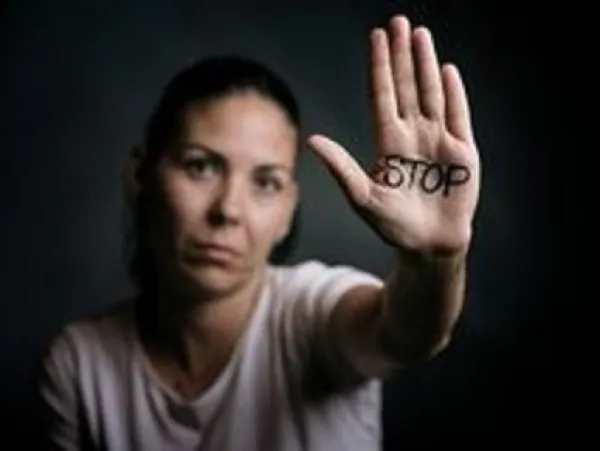
The date 11 November is well known and commemorated in many parts of the world because it marks the Armistice ending World War I – ‘the Great War’ – in 1918.
In the evocative words used by Kurt Vonnegut Jr., an atheist humanist, in his novel Breakfast of Champions, the day is remembered thus:
‘When I was a boy … all the people of all the nations which fought in the First World War were silent during the eleventh minute of the eleventh hour of Armistice Day, which was the eleventh day of the eleventh month. It was at that minute in nineteen-hundred and eighteen, that millions upon millions of human beings stopped butchering one another. I have talked to old men who were on battlefields at that minute. They have told me in one way or another that the sudden silence was the Voice of God. So we still have among us some men who can remember when God spoke clearly to mankind.’
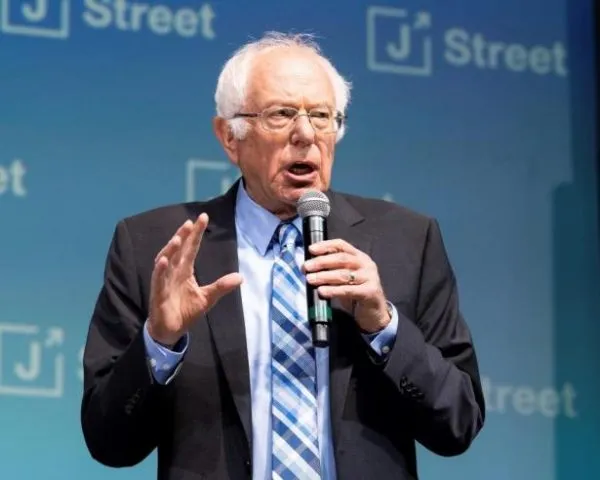
In spite of the fact that Israeli snipers continue to shoot scores of unarmed protesting Gazans every Friday with virtually no coverage from the media, there are some signs that the ability of Israel and its friends to control the narrative regarding the Jewish state’s appalling human rights violations is beginning to weaken. To be sure, The Lobby still has sharp teeth and is prepared to use them as in last week’s report of a Florida high school principal with 26 years of experience and an otherwise impeccable record who was fired because he said that “Not everyone believes in the holocaust.”
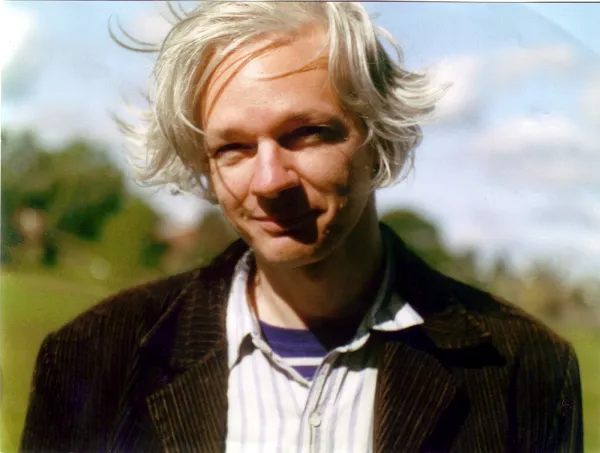
The hideous treatment of WikiLeaks founder Julian Assange continues and many observers are citing his case as being symptomatic of developing “police state” tendencies in both the United States and in Europe, where rule of law is being subordinated to political expediency.
Julian Assange was the founder and editor-in-chief of the controversial news and information site WikiLeaks. As the name implies, after 2006 the site became famous, or perhaps notorious, for its publication of materials that have been leaked to it by government officials and other sources who consider the information to be of value to the public but unlikely to be accepted by the mainstream media, which has become increasingly corporatized and timid.
WikiLeaks became known to a global audience back in 2010 when it obtained from US Army enlisted soldier Bradley Manning a large quantity of classified documents relating to the various wars that the United States was fighting in Asia. Some of the material included what might be regarded as war crimes.
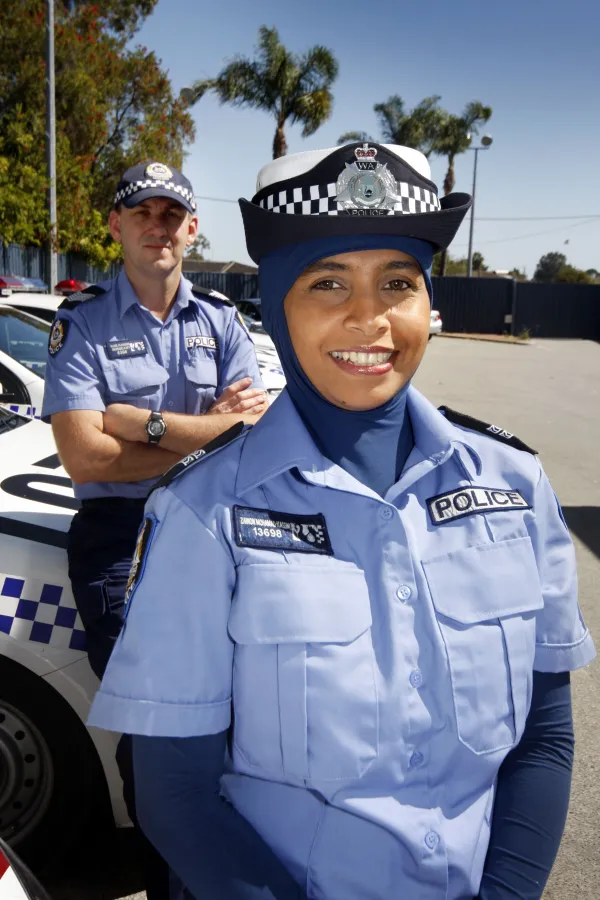
Another shocking, divisive police video pops up in the news. This one shows a 16-year-old boy getting shot in the back of the head as he runs from the officers about to arrest him.
And as he lays dying — unconscious, bleeding to death — a second officer cuffs the boy’s hands behind his back, kicking him over on his stomach to do so, as though he were no more than a piece of hunted prey.
The shooting of Isiah Murrietta -Golding occurred in April 2017, in Fresno, Calif. The incident was reviewed and found to be justified. The official determination was that the officer feared for his life.
No surprise: The video was not willingly released.
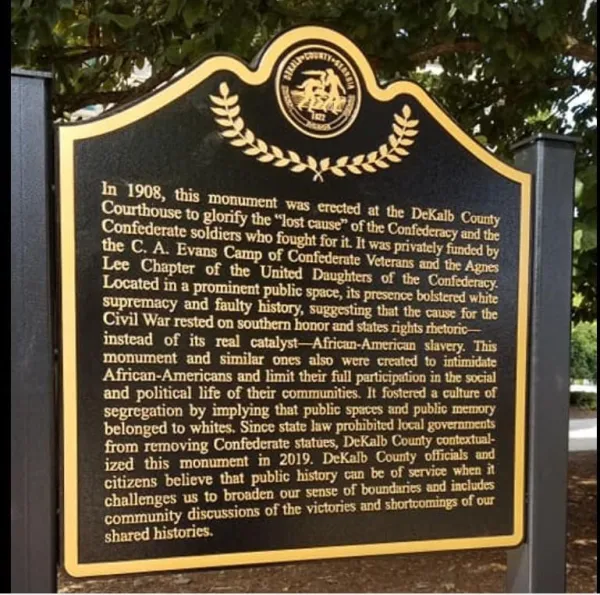
An example from Georgia of something Charlottesville, Va., does not have.
James W. Loewen’s wonderful book Lies Across America has been published in a revised 20th anniversary edition, containing a chapter called “Public History After Charlottesville.” In this usage, “Charlottesville” is an event, not a place. Specifically, it’s a fascist rally that happened here in 2017.
Loewen chronicles the dramatic surge immediately after and ever since that event in the reworking of the public landscape by governments around the United States. Statues have been toppling like bowling pins. New monuments have been going up. Markers have been sprouting all over the place to explain existing monuments and what’s wrong with them.
Loewen documents a major shift in public attitudes about the U.S. Civil War, which he credits not only to “Charlottesville,” but also to a mass shooting in Charleston, S.C., in 2015, and to Black Lives Matter. I would add also some credit to the work of people like James Loewen.
You're free to republish or share any of our articles (either in part or in full), which are licensed under a Creative Commons Attribution 4.0 International License. Our only requirement is that you give Ammo.com appropriate credit by linking to the original article. Spread the word; knowledge is power!
For Americans, the crux of gun control laws has been how to disarm dangerous individuals without disarming the public at large. Ever-present in this quest is the question of how the perception of danger should impact guaranteed freedoms protected within the Bill of Rights.