
Human Rights


On 2 October 2019, it will be the 150th anniversary of the birth of Mohandas K. Gandhi in Gujarat, India. I would like to reflect on the visionary leadership that Gandhi offered the world, briefly comparing it with some national leaders of today, and to invite you to emulate Gandhi’s leadership.
While Gandhi is best remembered for being the mastermind and leader of the decades-long nonviolent struggle to liberate colonial India from British occupation, his extraordinary political, economic, social, ecological, religious and moral leadership are virtually unknown, despite the enormous legacy he left subsequent generations who choose to learn from what he taught. This legacy is available online in the 98-volume Collected Works of Mahatma Gandhi.
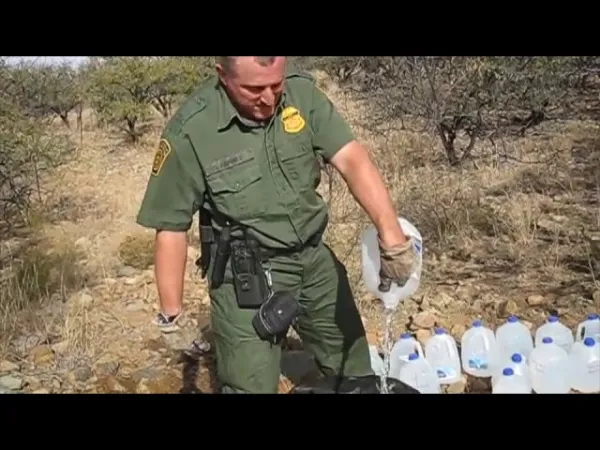
There have been several interesting developments in the United States government’s war on free speech and privacy. First of all, the Department of Homeland Security’s (DHS) Customs and Border Protection Agency (CBP), which is responsible for actual entry of travelers into the country, has now declared that it can legally access phones and computers at ports of entry to determine if there is any subversive content which might impact on national security. “Subversive content” is, of course, subjective, but those seeking entry can be turned back based on how a border control agent perceives what he is perusing on electronic media.
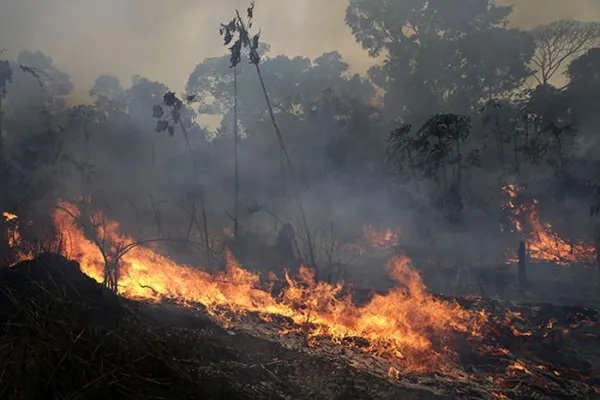
“All things are interrelated. Everything in the universe is part of a single whole. Everything is connected in some way to everything else. It is therefore possible to understand something only if we can understand how it is connected to everything else.”
These words, the first of the Twelve Teachings of the Sacred Tree, quoted by Rupert Ross in his extraordinary book, Returning to the Teachings, begin to open the biggest truth of all about the burning rainforests of Planet Earth.

The big black pickup truck plunged into the protesters blocking the parking lot and I cringed, viscerally, as though I could feel it myself — this merciless crush of steel against flesh.

Every government on earth, beginning with the United States, should shut down and be done with secret agencies, spy agencies, agencies used for murder, torture, bribery, election-manipulation, and coups.
While these agencies prevent the public from knowing what is being done in its name, they do not acquire any knowledge that benefits the public and that couldn’t have been acquired openly, lawfully, through simple research, diplomacy, and law-enforcement actions that respect human rights.
While these agencies occasionally succeed in their criminal enterprises on their own terms, those successes always create blowback that does far more damage that the good — if any — accomplished.
The CIA and all of its relatives in the U.S. government and around the world have normalized lying, spying, murdering, torturing, government secrecy, government lawlessness, distrust of foreign governments, distrust of one’s own government, distrust of one’s own qualifications to participate in self-government, and acceptance of perma-war.
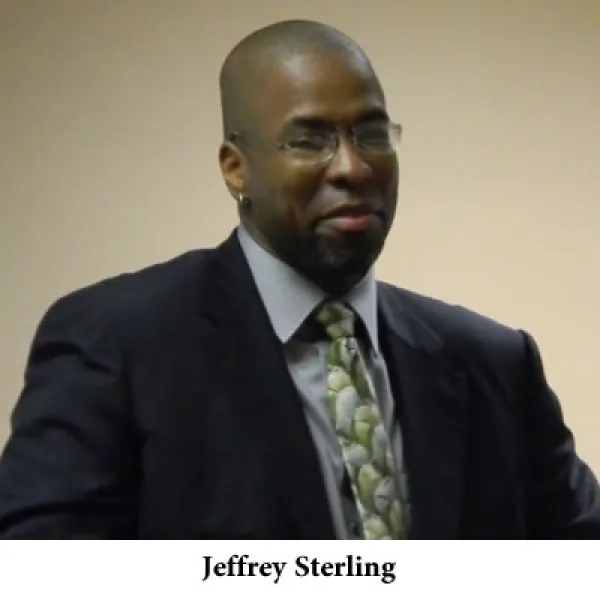
In the year 2000, the CIA gave Iran (slightly and obviously flawed) blueprints for a key component of a nuclear weapon. In 2006 James Risen wrote about this “operation” in his book State of War. In 2015, the United States prosecuted a former CIA agent, Jeffrey Sterling, for supposedly having leaked the story to Risen.

“They were quiet, and just staring, blankly,” she said. “There were just blank stares and no expressions on their faces.”
Welcome to hell, as presided over by U.S. Customs and Border Protection.
This image bears deep reflection. It doesn’t change. Children are taken from their parents, jammed into cages. They have no lives left.
The speaker is Dr. Sara Goza, new president of the American Academy of Pediatrics, who recently toured some emigrant detention facilities, including CBP’s Central Processing Center in McAllen, Texas. “The first thing that hit me when we walked in the door,” Goza said, according to NBC News, “was the smell. It was the smell of sweat, urine and feces.”
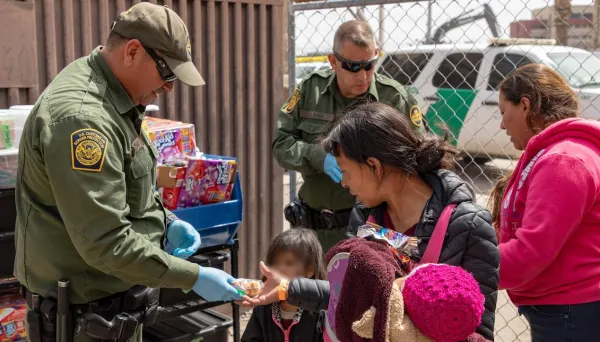
Yes, we have a serious problem at the border — indeed, at every border we create and defend with force of arms and bureaucratic indifference.
“‘If you want water, just drink from a toilet.’ That’s what border patrol told one thirsty woman we met on today’s #DemsAtTheBorder trip. These are the same CBP personnel who threatened to throw burritos at members of Congress. Changes must be made.”
So tweeted U.S. Rep. Judy Chu in the wake of a visit by congressmen and women to Texas border facilities last week, stirring even further incredulity and disgust about the nature of these American concentration camps for immigrants.
The problem we have is ourselves.

The US government’s treatment of immigrant children not only shocks the conscience, it is also in chronic, blatant violation of US law. The US government’s deliberate, unlawful cruelty to its child hostages was vividly illustrated by government attorney Sarah Fabian, a self-described mother, as she tried to explain to the disbelieving three judges of the US Ninth Circuit Court of Appeals how the US government could say it held children in “safe and sanitary” conditions as required by law. Fabian’s stunning performance went viral, showing her defending conditions in which the government deprives its child-prisoners of soap, toothpaste, toothbrushes, or beds.