
Human Rights

These aren’t people. These are animals.”
These words alone set off the alarm — the fascism alarm, you might say. Donald Trump is by no means the sole source of America’s democracy nosedive, but he’s its current, deeply troubling manifestation.
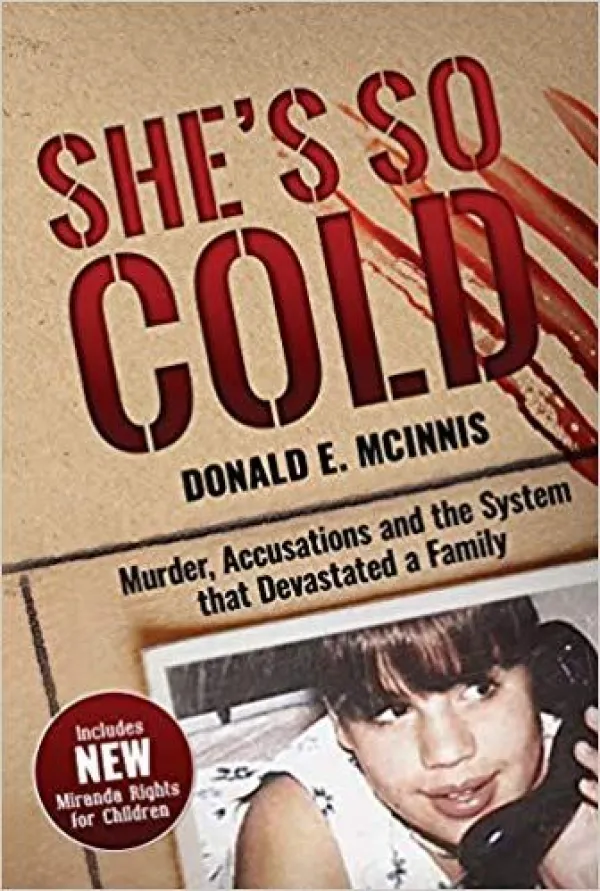
Donald E. McInnis’s book, She’s So Cold, is painful to read. McInnis was the defense attorney for one of three boys falsely accused of killing one of the boys’ sister. Much of the book is recreation of police interrogations that were videotaped, and of a court hearing.
This was one of those cases the mass media love and for which they effectively convict the accused in the minds of the public. This was in 1998 in San Diego, and the original victim’s name was Stephanie Crowe. But there were more victims, including Stephanie’s brother, two of his friends, and the three boys’ families. The trauma willfully and knowingly inflicted on them by the police and prosecutors was limited by the fact that so-called “confessions” by two of the three boys were videotaped. I haven’t watched the videos, but reading them is like watching violence in slow motion.
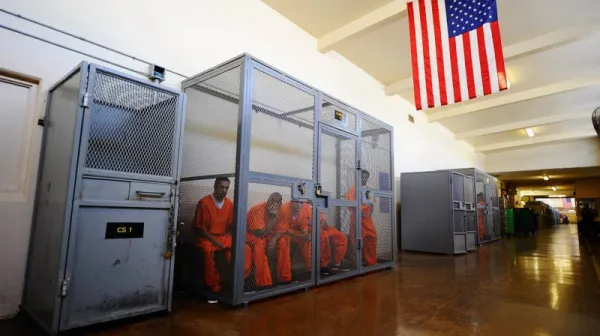
If you’re free, if you’re not locked behind bars (and I do realize that this is true of a smaller percentage of people in the so-called Land of the Free than anywhere else on earth), be grateful. One thing you can do is get your hands on important new books. I recommend this one: The Meaning of Life: The Case for Abolishing Life Sentences by Marc Mauer and Ashley Nellis, Featuring Six Portraits of Lifers.
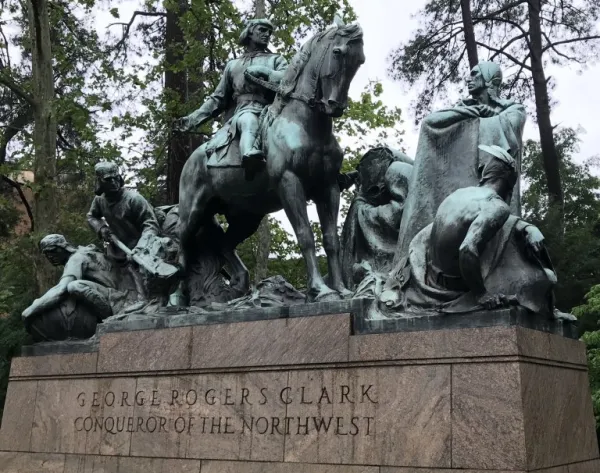
Jeffrey Ostler’s Surviving Genocide: Native Nations and the United States from the American Revolution to Bleeding Kansas, tells a complex, honest, and nuanced story of what overall and in many particular parts fits the UN definition of and the popular conception of genocide. So, of course, it is primarily a story of not surviving genocide, though I guess that would have been too much of a “Dog Bites Man” headline for any publisher.
But parts of the story are of surviving. Some of the surviving is temporary. People slowed and mitigated the catastrophe. There are lessons there for all of humanity as it proceeds to destroy its own climate. There are lessons in particular for Palestinians and others facing similar assaults today. And some of the surviving has lasted until the present. Reduced in numbers, many nations have survived.

What? Another mass murder?
Almost missed this one: Virginia Beach. Twelve killed on May 31, plus the killer himself, who was a city employee — an engineer. He had legitimate access to the building where he shot people on three floors. His guns were legally purchased. Nothing about him, prior to the tragedy, indicated he was unhinged.
Except, well. an anonymous source told the New York Times “the suspect had no history of behavioral problems until recently, when he had begun acting strangely and getting into physical ‘scuffles’ with other city workers.”
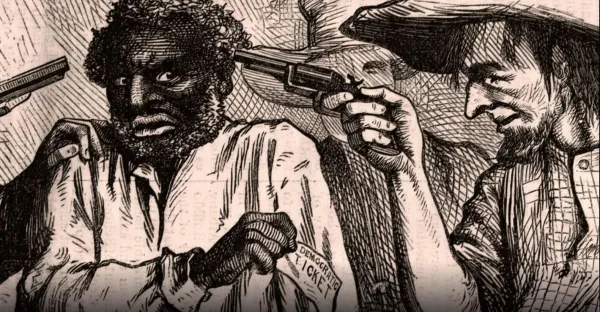
Albion Winegar Tourgée may be best known now, though not in his lifetime, as the lead attorney in the Plessy v. Ferguson case, which was a set-up, a staged incident, with the cooperation even of the railroad company, to get a man arrested for sitting in the wrong car, take the matter to court, and end segregation on trains — except that it backfired horribly and legalized apartheid for over 50 years.
Tourgée’s work was not one incident alone, and his positive influence hasn’t ceased. His was one of the most influential white voices for equal rights for blacks in the decades following the U.S. Civil War. I want to quote and consider a short section found in one of his novels, A Fools Errand. The book was a runaway bestseller in 1879, published anonymously “by one of the fools.”

“Over these last few years, given the wars it has waged and the international treaties it has arbitrarily reneged on, the U.S. government perfectly fits its own definition of a rogue state.” — Arundhati Roy

By Harvey Wasserman, Reader Supported News
15 May 19
 hile the politicians dither over universal health care versus single payer versus the current Republican prescription for all non-millionaires (Get Sick & Die Quick), medical debt is still the number one cause of American family bankruptcies.
Throughout the US, people are forced every day to choose between medical care and food, shelter, and supporting their children.
At this point there’s no indication there’ll be an easy victory to bring the US in sync with the rest of the civilized world in providing decent health coverage.

Ethics classes in U.S. philosophy departments are pathologically obsessed with imaginary scenarios, often involving trollies, that purport to demonstrate some people’s greater acceptance of causing death or suffering if they don’t have to physically, directly, immediately cause it. Some people would supposedly pull a switch so that a trolley killed one person rather than staying on another track and killing five people, but wouldn’t push one person onto a track to save five people.
I say “supposedly” because, luckily, nobody’s gotten the funding to actually try out an experiment (as far as we know, I can’t speak for DARPA).
The purpose of all this imaginary murdering is unclear for two major reasons. First, some professors will simply conclude that people are weak and ought to know better (which they could have told you to begin with), while other professors will tell you that whatever people imagine they would do simply is what they should do because their inner whatchamawhoochie is intuitively in touch with the great cosmic whatchamacoochie. So, what have we learned?