
Human Rights
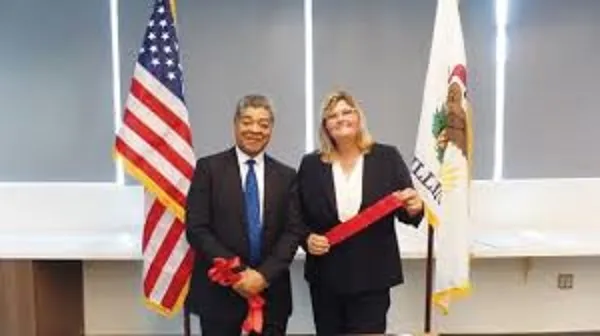
“This isn’t rocket science,” Jackie Ingram said, humorously downplaying her involvement in the Restorative Justice Community Court, a pilot project of the Cook County Circuit Court, which has brought a new, healing-focused system of justice to her community this past year.
My thought in that moment was: She’s right. Saving kids and reclaiming a troubled, broken community may be more complex than rocket science.
And more crucial.
“This is basic,” she went on. “Give them hope that they have a future.”
Jackie, who lives in the Chicago neighborhood of North Lawndale, is one of the community members involved in the experimental court, which addresses some of the worst failings of the country’s criminal justice system.
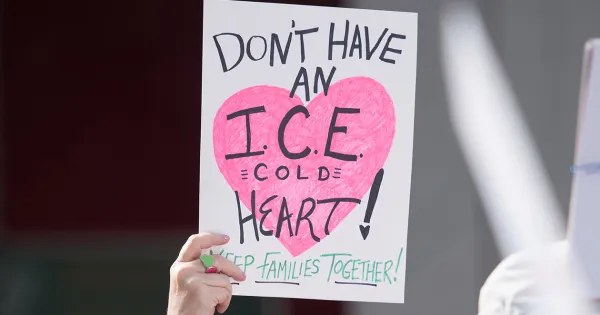
In June of 2014, the ACLU and the International Human Rights Clinic at the University of Chicago Law School filed complaints with the Department of Homeland Security. And the complaints documented the cases of 116 unaccompanied children, ranging in age from 5 years old to 17. According to these organizations, a quarter of the children said they were physically or sexually abused. They said they’d been placed in so-called stress positions and were at times subjected to beatings by Customs officials. More than half of the kids reported receiving death threats from U.S. government agents.
— Reporter Jeremy Scahill, The Intercept podcast, Intercepted, May 30, 2018
“He owned the gun legally and had a concealed carry permit.”
That matters?
In an otherwise neutral and informative article, this reads like a bit of legal fetishism. Another human being is dead, oh so needlessly and pointlessly, thanks to a moment of lethally armed anger in a convenience store parking lot in Clearwater, Florida last month. But the killer’s weapon was bureaucratically correct: clean as a whistle.
This is more than merely irrelevant. There’s something wrong here that our legal system is, apparently, incapable of addressing.
John James Audubon loved to paint birds...and shoot them.
Charles Darwin described the natural world…while blasting away at it. ("I do not believe that anyone could have shown more zeal for the most holy cause than I did for shooting birds. How well I remember killing my first snipe, and my excitement was so great that I had much difficulty in reloading my gun from the trembling of my hands," he wrote.)
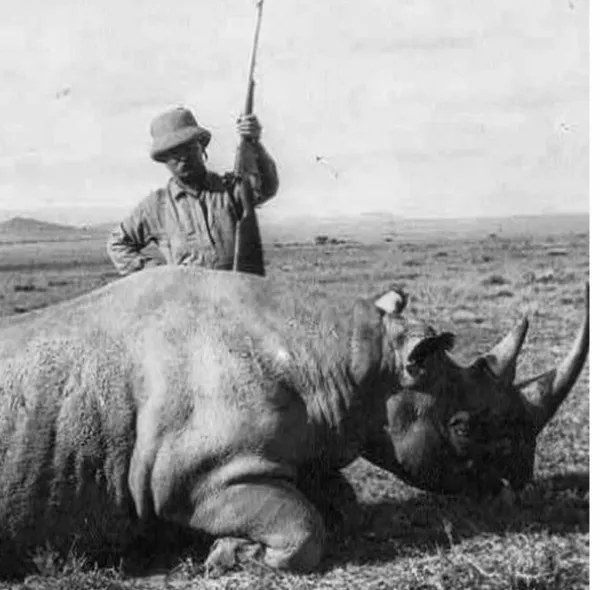
Theodore Roosevelt founded the National Wildlife Refuge program...while killing rhinos, hippos, elephants, lions and leopards.
Some say we are approaching a "me too" moment in which public figures' love of animal violence will be no different than their abusing a partner or committing rape. It will no longer be ignored or condoned as "boys will be boys."
I’m aware that Canada, unlike its southern neighbor in which I live, has just recently, ever so slightly, stood up to certain of the horrors of the Saudi government. I’m aware of the role Canada has played, albeit imperfectly, as refuge for people fleeing U.S. slavery and U.S. wars and general U.S. backwardness. I’m aware of how many times through history the United States has attacked Canada. I’m aware that just several yards in front of me as I sit in my outdoor office (the downtown mall of Charlottesville) a small army is gleefully creating a police state on the anniversary of a Nazi rally at which similar numbers of soldiers, similarly armed, stood by and watched fascist violence last year. I agree with Robin Williams’ characterization of Canada as a nice apartment over a meth lab.
Reporting Caller: I was just walking through here in the front foyer of [REDACTED] and we have a person sitting there laying down in the living room area over here. I didn’t approach her or anything but um he seems to be out of place … umm … I don’t see anybody in the building at this point and uh I don’t know what he’s doing in there just laying on the couch.
Dispatch: Can I have your last name please?
Reporting Caller: [REDACTED]
Dispatch: I’ll send someone over and check it out.
Reporting Caller: Alright. I’ll wait over here.
– Campus Police call transcript, July 31, 2018,
as released by Smith College on August 3
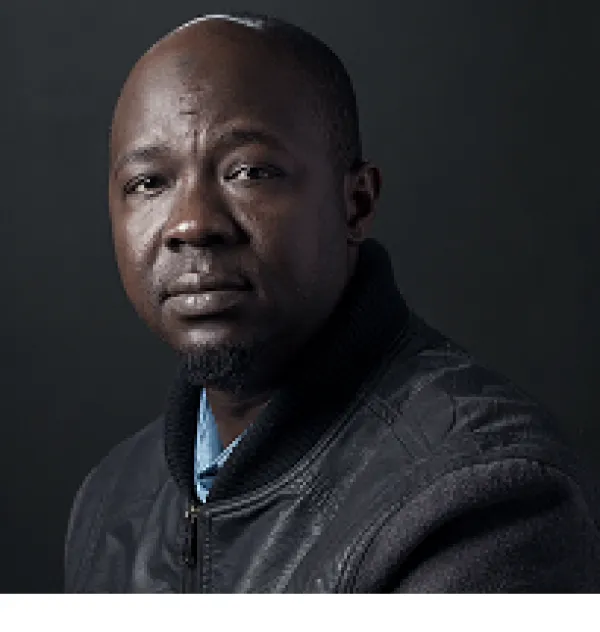
“Freedom is indivisible,” John Kennedy once remarked. “When one man is enslaved, none are free. In Columbus, I had the opportunity to interview four men who have been directly affected by a system of slavery and brutal racism in the West African country of Mauritania. Three are either seeking or have received asylum because of slavery. The fourth is an abolitionist, who is running for president of Mauritania, Biram Abeid. Ahmed Tidiane raises money to support ex-slaves. Omar Wagne risked his freedom and even his life to register those recently freed from bondage, so they could vote and send their children to school. Hassan Fall fought to save his aunt from the punishing bonds of slavery. Ahmed, Omar and Hassan have sought asylum in the U. S. Together, these four men have risked their lives to tell a story that highlights the repressive and brutal system now operating against Black Africans in Mauritania, but they also tell a story of hope for a tribe of slaves and ex-slaves.
As the week’s news slaps against my consciousness like road slush, some fragments sting more than others. For instance:
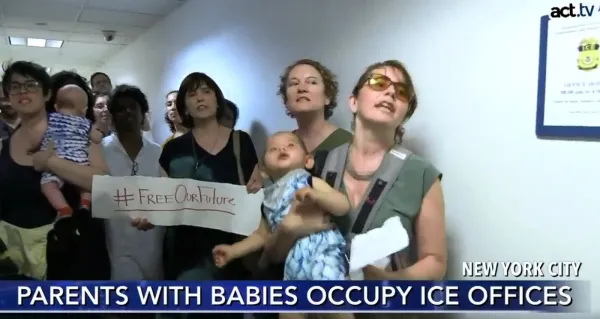
“According to the DOJ’s court filing, parents who are not currently in the U.S. may not be eligible for reunification with their children.”
I can’t quite move on with my life after reading a sentence like this. A gouge of incredulity lingers. How is such a cruelly stupid rule possible? What kind of long-term ramification will it have on the entirety of the human race?
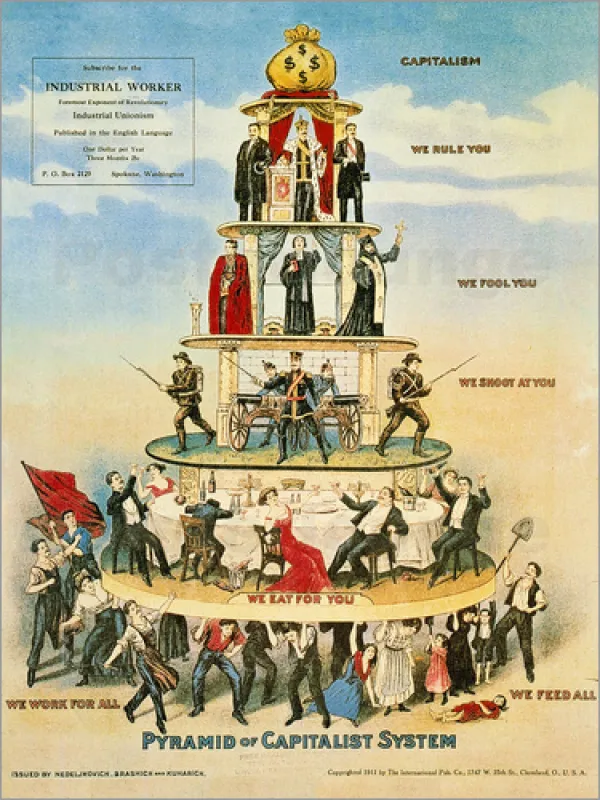
Given the overwhelming evidence that activist efforts are failing to halt the accelerating rush to extinction precipitated and maintained by dysfunctional human behavior, it is worth reflecting on why this is happening.
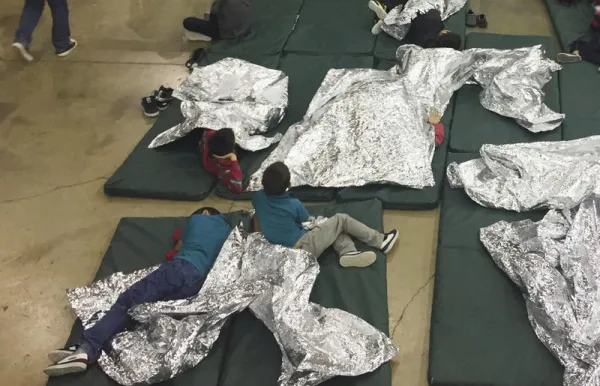
“We offer your love to all of our children . . .” the Episcopal priest said, her eyes closed in prayer. Some 170 people were gathered around her, as she stood in a gazebo in a park in Huntsville, Ala. This was one of the 700-plus protests across the country last weekend, as Americans gathered in unity and outrage over Donald Trump’s cruel treatment of immigrants and their children at the southern border.
“Womp, womp!”
Even before the guy pulled the Glock from his waistband, wow, this was the American recipe: sarcasm and hate and racism stirred into our prayers and deepest values, into the best of who we are.
When we describe the United States in the abstract, the best of who we are prevails. Our ideals loom like mountain peaks on a picture postcard: “Give me your tired, your poor,/Your huddled masses yearning to breathe free . . .”
But the real America has always been parsimonious in its allotment of freedom and respect.