
Human Rights
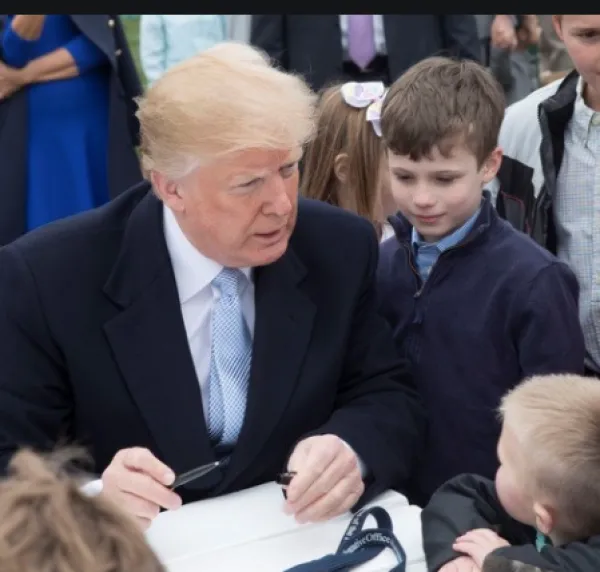
On June 24, Donald Trump issued an Executive Order (EO) under the title, Strengthening the Child Welfare System for America’s Children.Except for those whom the EO affects, it has already been stuffed down the Trump memory hole. It is, however, an important document with negative far-reaching ramifications for child welfare in the US. To the casual reader, the Executive Order can look benign, positive: a plan for expanded federal child welfare assistance programs to enhance sibling retention, family preservation, unification, permanency, aging out as well as strengthening trauma-informed training and best practice and better reporting standards. It appears to concede a fractured child welfare system, but…

Human nature as a central theme of philosophy
What is human nature? Are we humans good or evil? To what extent is the character of a person produced by heredity, and to what extent by environment? Is competition more central to our existence than cooperation, or is it the other way around? How can a happy, peaceful and stable society be created? Are humans essentially the same as other animals, or are we fundamentally different? Should humans dominate and control nature, or should we be the custodians of nature? These questions are central to philosophy. Conflicting answers have been given by philosophers, scientists and religious leaders offer the centuries, from earliest times until the present.
The chemistry and physiology of emotions
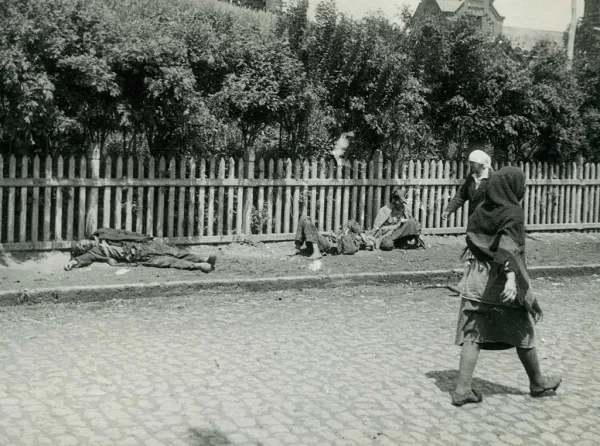
“There are so many . . . primitive tribes — they don’t understand anything.”
The global movement to end racism must turn its attention to the world’s most vulnerable cultures — the indigenous people of Planet Earth — who are still enduring the forces of colonial genocide.
They are, after all, still obstacles to the planet’s moneyed interests.
I say these words not simply because protecting tribal cultures is humane, but also because it could well be crucial to everyone’s survival, including yours and mine. The dismissive arrogance evident in the above quote remains all too common. Those people are . . . savages, whatever, choose your judgmental noun.
The speaker above — the founder of India’s Kalinga Institute of Social Sciences, a.k.a., KISS, which is the world’s largest “boarding school” for indigenous children — called them monkeys. Some 30,000 indigenous, also known as Adivasi, children attend KISS, where, according to Survival International, they are shamed and forced to give up their languages and their cultures and become, you know, regular people.
Change. Now.
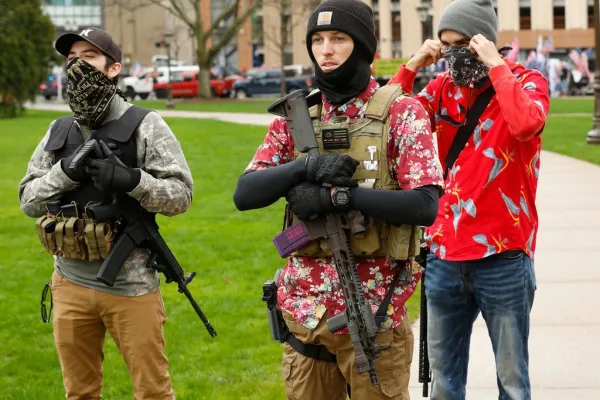
I get that, and understand the symbolism of packed heat. A gun says: We mean business. But that symbolism stops as soon as the trigger is pulled. What the armed protesters could wind up with is a bitter present-day civil war and the blood-stained illusion of change.
The country — and the world — have been in the midst of a social uprising for the past month and a half, ignited by the brutal police killing of George Floyd. The global protests against structural racism have been racially diverse and, for the most part (and except for the police) unarmed. But that’s shifting. Armed black protesters have begun making their presence known. So have armed white counterprotesters.

In the past, there have been many attempts at holding accused Israeli war criminals accountable. Particularly memorable is the case of the late Israeli Prime Minister, Ariel Sharon, (known, among other nicknames, as the ‘Butcher of Sabra and Shatila’) whose victims attempted to try him in a Belgian Court in 2002.
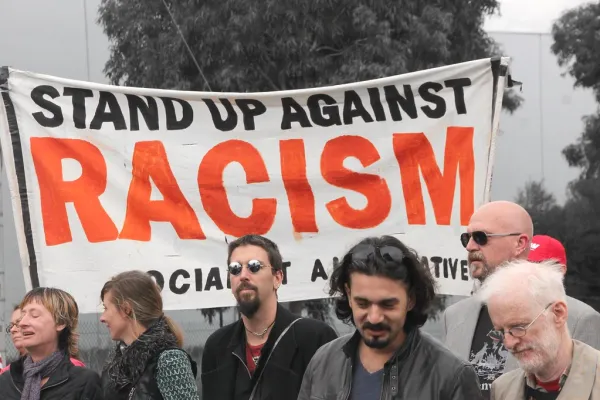
Topple a few statues, remove some iconic names from American institutions . . . and the ghosts of the past start to escape from history, filling the present moment. It’s called awareness.
Too much awareness can feel like chaos. Not surprisingly, a lot of people would prefer to stick with the old historical narrative, the one that’s so tried and true: This is the land of the free, the home of the brave, the birthplace of democracy. God bless America! (And forget about slavery, Native American genocide, racism, packed prisons, nukes, endless war, etc.)
The question of the moment is whether this narrative is gone for good. Are we merely in the process of making some superficial adjustments or has the national soul truly torn itself open? Will we stop short — once again — of creating a society of compassionate equality? Will we eventually (as soon as possible) retreat to another narrative of American exceptionalism and . . . uh, white power? Or are we in the process of real change?
Well, he deserved to die, didn’t he? He fought, he ran, he grabbed the cop’s taser and fired it. And he was intoxicated, apparently. And he was blocking traffic.
“If an officer is hit with that Taser, all of his muscles will be locked up, and he’ll have the inability to move and to respond,” said a Georgia county sheriff, referring to the killing of Rayshard Brooks in Atlanta on June 12. “This was a completely justified shooting.”
Completely. Justified.
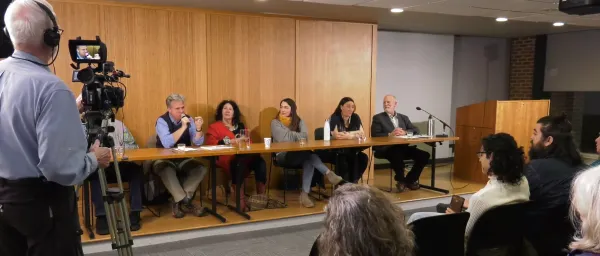
600 people have now signed a petition in Charlottesville, Va. at http://bit.ly/cvillepeace
Almost all of the signers are from Charlottesville.
The petition is addressed to the Charlottesville City Council and reads:
We urge you to ban from Charlottesville:
(1) military-style or “warrior” training of police by the U.S. military, any foreign military or police, or any private company,
(2) acquisition by police of any weaponry from the U.S. military;
and to require enhanced training and stronger policies for conflict de-escalation, and limited use of force for law enforcement.
Here are some of the comments people have added when they signed:
I join in with many Black leaders in this community to call for a demilitarization of our police force and the defunding of resources that should be better spent on other public services.
Militarized police encourages brutality and excessive force. We need to go the other way.
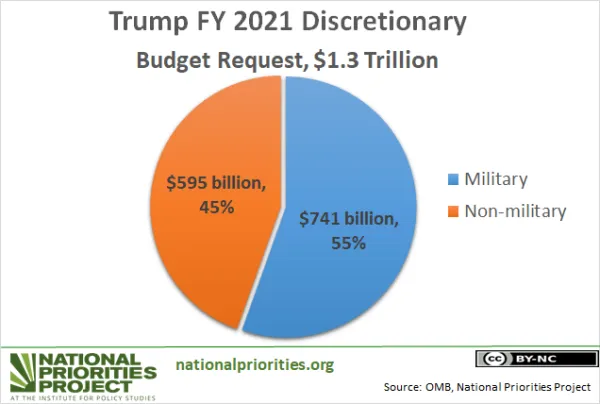
Senator Bernie Sanders has finally done something that some of us thought would give his presidential campaign a big boost four years ago, and again this past year. He’s proposed to introduce legislation to move a significant amount of money from militarism to human and environmental needs (or at least human needs; the details aren’t clear, but moving money out of militarism is an environmental need).
Better late than never! Let’s make it happen with an overwhelming show of public support! And let’s make it a first step!
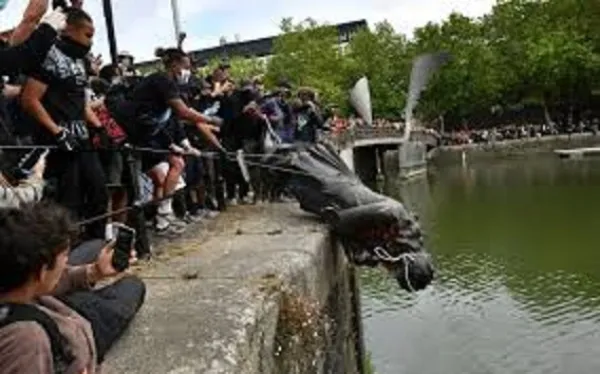
“This was not an attack on history. This is history. It is one of those rare historic moments whose arrival means things can never go back to how they were.”
And the toppled statue of a 17th century slave trader, now at the bottom of Bristol Harbour, is suddenly more relevant than ever, as the cry for compassionate social order – sparked by the murder of George Floyd – begins to engulf the whole planet. Perhaps . . . oh, let us hope . . . we are at the point of real change, a shift in the collective consciousness that holds our social systems together.