
Politics
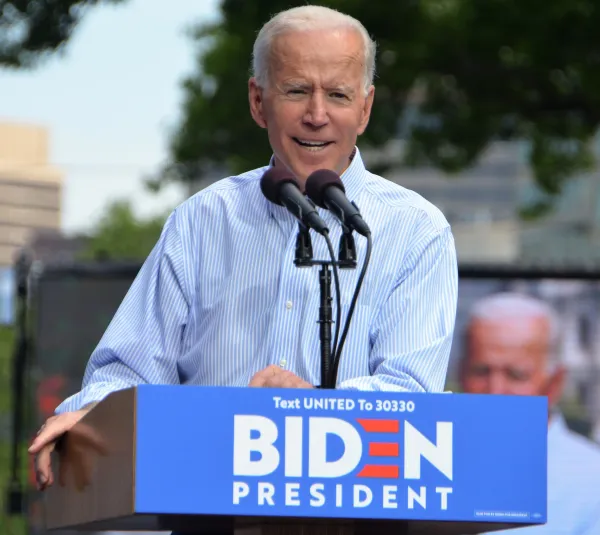
When I ponder the likelihood of looming electoral chaos — uncounted votes, a defeated president who won’t leave office, the possible termination of American democracy (coming soon!) — I can’t avoid putting it into a larger context:
We’ve always been, at best, a partial democracy, skewed in favor of the wealthy and powerful (and white). Furthermore, a destructive force has been growing in this country that has a global impact and is far larger than Donald Trump. This force — militarism, war — has been, at least in my lifetime, pretty much immune from the checks and balances of American democracy and has been growing increasingly out of control, regardless who’s in office, during the 21st century. It’s been met, at best, with a shrug, by the media and most politicians: set aside as a matter to be dealt with later.
I believe the time to deal with both issues is now.

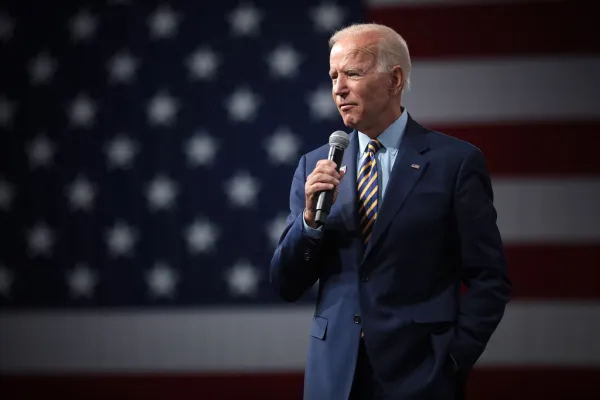
In the next three months, a dozen states will determine whether Donald Trump wins another four years as president. Those swing states should be central to the work of progressives who are determined to prevent that outcome.
With so much at stake, we can’t afford the luxury of devoting time and energy to endless arguments about whether progressives should vote for Joe Biden if they live in California or New York, or Alabama or Alaska, or other states where the electoral votes are sure to all go to Biden or Trump.
What will matter are the swing states, generally understood this time around to include Arizona, Florida, Georgia, Iowa, Michigan, North Carolina, Ohio, Pennsylvania, Texas and Wisconsin. (Also in play are “swing districts” in two states where the statewide winning candidate doesn’t automatically get all of the state’s electoral votes: Maine’s second congressional district and Nebraska’s second congressional district.)
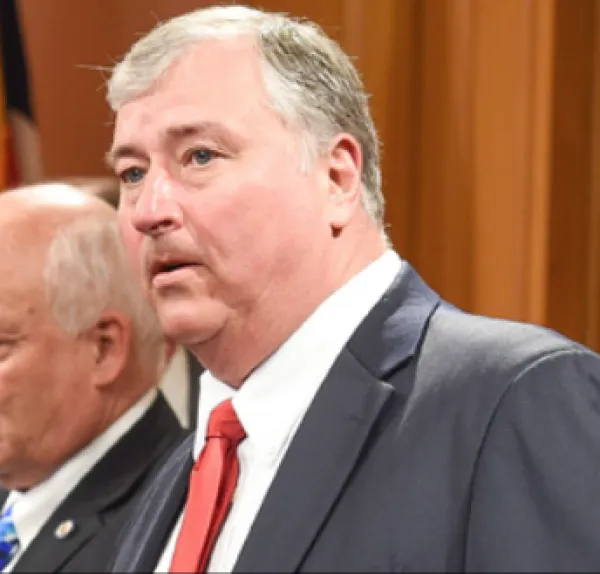
Ohio's biggest-ever bribery case is rocking America's reactor industry…and the fall election.
Full details of the shocking arrest of Ohio's powerful Speaker of the House are still unfolding.
But on Monday the FBI charged Larry Householder and four associates with taking $61 million (that's NOT a typo) in bribes from “Company A,” suspected to be the Akron-based nuke utility FirstEnergy. The company has not been formally named as the source of the bribe, but FE’s stock has since plummetted.
Householder is suspected of buying votes for the widely hated $1.5 billion bailout of two decrepit nuke reactors on Lake Erie. Donald Trump lobbied at least five legislators to support the cash giveaway. Ohio’s moderate Republican Governor Mike DeWine has asked Householder to resign.
Without the bailout, Perry and Davis-Besse would already be dead in the rising tsunami of US reactor shutdowns.
The handout also supported two ancient coal burners (one in Indiana), and ten small solar plants. It killed a big, highly successful state-wide efficiency program and crippled further Ohio development of wind and solar.
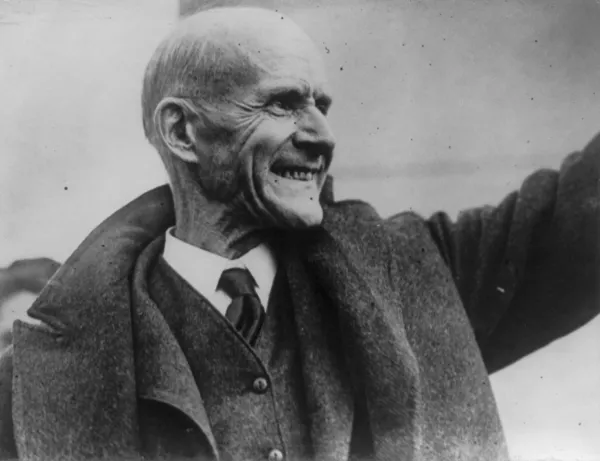
“Eugene V. Debs is Bernie Sanders’ political hero,” the Washington Post reported with evident distaste while the battle for the Democratic presidential nomination was raging in early 2016. “A picture of the socialist union organizer hung in city hall when he was mayor of Burlington, Vermont. A plaque honoring Debs is now by the window in Sanders’ Senate office.”

The U.S. Congress has 100 Senators and 435 House Members. Out of the full 535, there are 20 thus far who have made themselves sponsor or cosponsor of a resolution to do what is most badly needed, move major amounts of money out of wars and war preparations and into human and environmental needs.
There are members of both houses who have arranged for there to be votes in the coming weeks on moving a mere 10% of the Pentagon budget to useful things. One way in which we can help them grasp how powerfully we demand yes votes on this is to start celebrating the 20 who have put a more serious proposal on the table. These are the 20 to thank and support and further encourage:
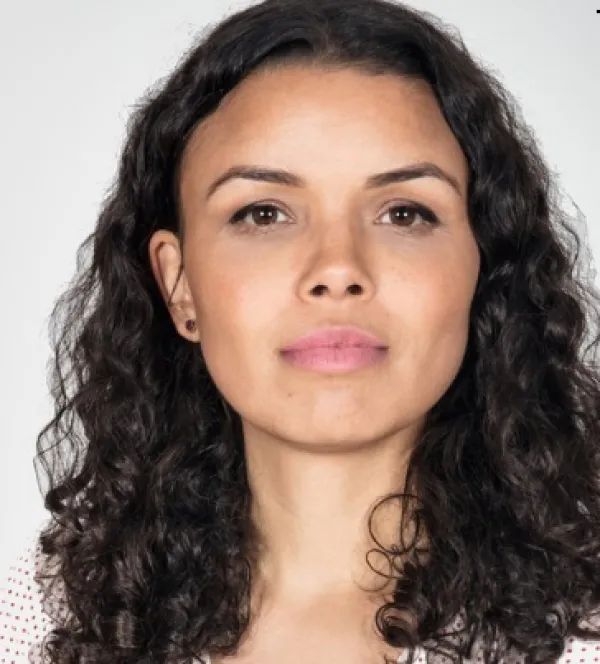
Bob Fitrakis interviews Morgan Harper who recently spoke at the Recall Ginther rally on her thoughts about the Black Lives Matter protests, the city's reaction and other current social justice issues.
http://wcrsfm.org/audio/play/13191
Source: http://wcrsfm.org/audio/by/artist/bob_fitrakis_and_morgan_harper
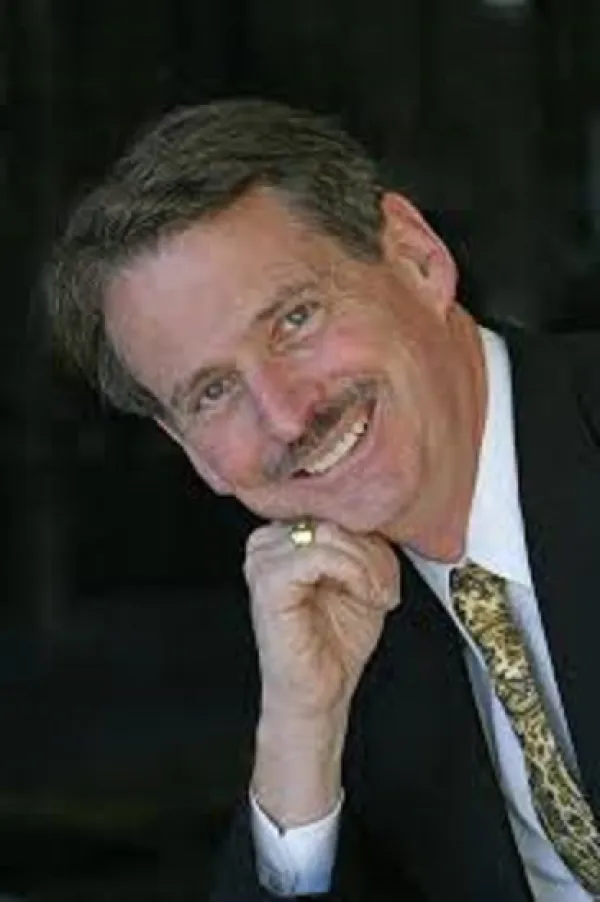
Sometimes listening to the morning news on television is a bit like entering into an alternate universe. Last Wednesday, the day after primary elections in New York State, CBS News reported that New York Congressman Eliot Engel was “facing a challenge” from Democratic Party challenger Jamaal Bowman. NBC News reported that Engel was “trailing.” The reality, according to the New York Times tally of the results that morning was that Bowman had beaten Engel by a margin to 60.9% versus 35.6% with more than 82% of votes counted. Even though it posted the numbers, the Times felt compelled to describe the apparently impending lopsided loss as if it were something less than that, as a “stiff challenge” for Engel.
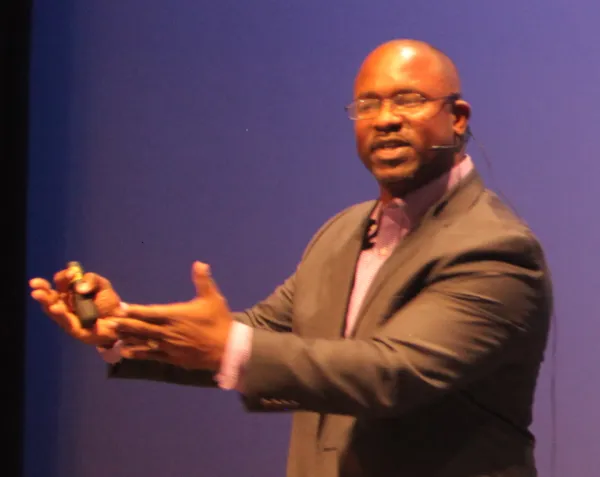
After defying the odds and defeating corporate opponents on Tuesday, the strong progressives Jamaal Bowman and Mondaire Jones are headed to Congress from New York—and there’s no way it would be happening if they hadn’t been willing and able to put up a fight in Democratic primaries. The same was true in 2018 with the election of Alexandria Ocasio-Cortez, Rashida Tlaib, Ilhan Omar and Ayanna Pressley as they beat the party establishment.
After three decades of contributing mightily to the blight of congressional militarism, Rep. Eliot Engel couldn’t be rescued by the high-profile endorsements of House Speaker Nancy Pelosi, Senate Minority Leader Chuck Schumer and Gov. Andrew Cuomo. Nor could Engel be saved by the eleventh-hour support of Hillary Clinton.
Other Democratic incumbents are being challenged by progressives in difficult and inspiring campaigns: intent on doing what, according to conventional political wisdom, can’t be done.
California “Berning” for Ro Khanna to Chair the State’s Delegation to Democratic National Convention
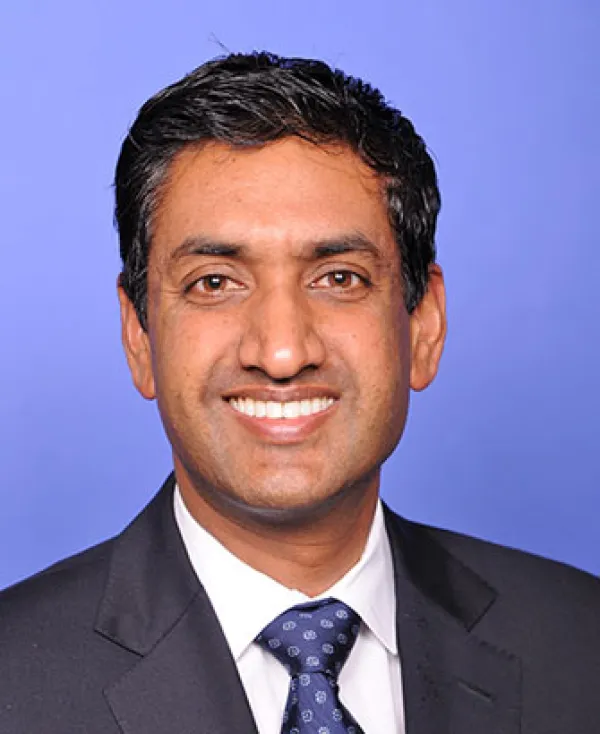
The Democratic Party is at a crossroads in California, where Bernie Sanders defeated Joe Biden in the presidential primary three months ago, winning more than half of the state’s delegates to the national convention. In recent days, over 110 Sanders delegates -- just elected in “virtual caucuses” across the state -- have signed a statement calling for Congressman Ro Khanna to be the chair of California’s delegation to the Democratic National Convention in mid-August.
Fairness, logic and even party unity all argue for Khanna to chair the delegation.
Noting that “Sanders received appreciably more votes in the California primary than any other candidate,” the statement points out that “Khanna has been a national champion on issues supported by California Democrats -- health care for all, national budget priorities based on human needs and opposing Trump on huge increases in military spending and endless wars, criminal justice reform, and a path to citizenship for immigrants.”