Global
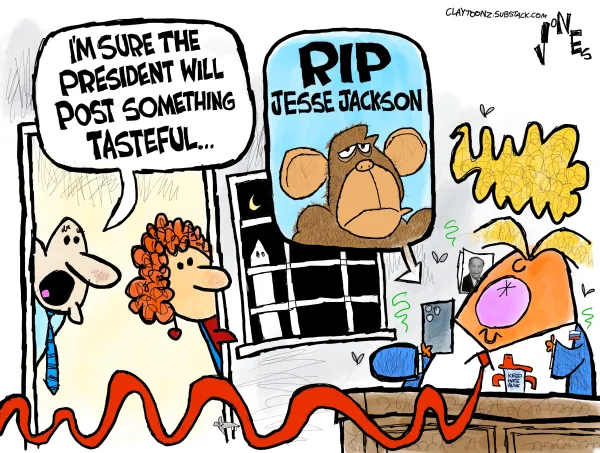

Trump's DOE apparently unable to function
The Department of Energy's Office of Clean Energy has lost the staff required to properly oversee about $27 billion in funded energy projects, according to a new assessment from the Government Accountability Office (GAO)
The loss of capacity is due to the Trump administration's deep cuts to the agency's federal workforce. The Office of Clean Energy lost more than 80 percent of its staff in 2025, including every person hired to independently assess and monitor the costs of big, government-funded projects.
Over the course of the last year, the agency canceled about 35 of the projects, or about a third of all funded developments. However, the GAO found that the agency still has not actually pulled the funding for any of those projects. It remains unclear what happens to the unspent money.
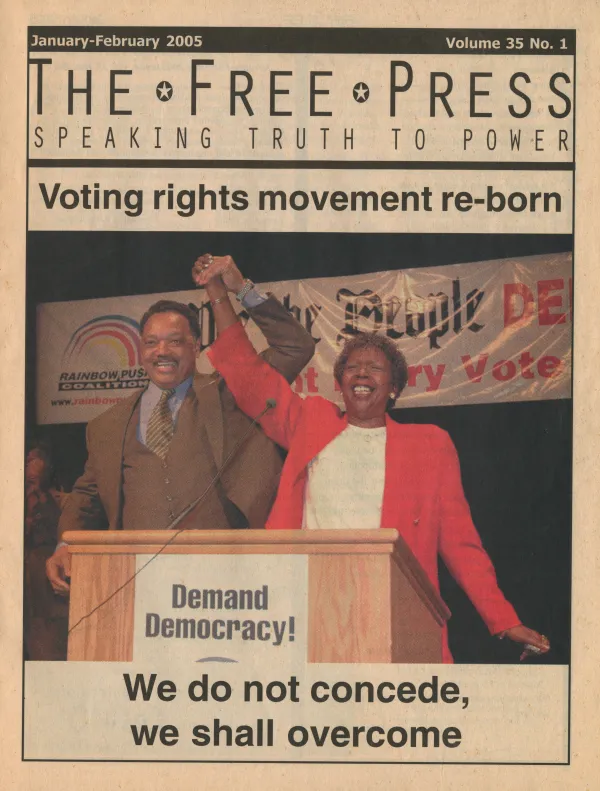
The Reverend Jesse Jackson arranged a conference call with me, his staff and others in Columbus right after the 2004 presidential election. The Free Press had reported on the suspicious election results giving George W. Bush a narrow victory in Ohio.
That phone call, including Mayor Michael Coleman and other community leaders, led to Jackson’s visit to our city and my relationship with him as we fought to tell the truth about the stolen election.
As reported in the November 2004 Free Press, “Preaching to a packed, wildly cheering central Ohio citizen congregation, Rev. Jesse Jackson blasted the presidential election back into the national headlines Sunday. Jackson said new findings cast serious doubt on the idea that George W. Bush beat John Kerry in Ohio November 2. A GOP ‘pattern of intentionality’ was behind a suspect outcome, he said. At stake is ‘the integrity of the vote’ for which ‘too many have died.’ ‘We can live with losing an election,’ he said. ‘We cannot live with fraud and stealing.’”
For decades, if you moved inside the corridors of American Jewish leadership, one name surfaced again and again.
On fellowship diplomas.
On donor walls.
On the resumes of rabbis, federation executives, nonprofit leaders, and Israeli public officials.
Wexner.
Inside institutional Jewish life, the name carried weight. It signaled seriousness. Investment. A belief that Jewish leadership deserved real resources.¹
Outside those corridors, the name may mean almost nothing.
And that difference matters.
Because proximity functions differently depending on where you stand.
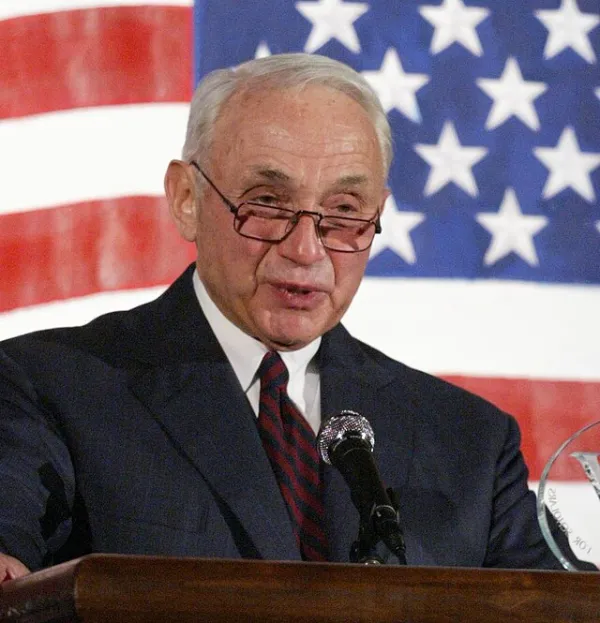
For the unaware, Leslie Wexner is the founder of L Brands, the retail empire behind companies such as The Limited and Victoria’s Secret, and for decades one of the most influential and well-funded architects of Jewish leadership development in North America.
He is scheduled to testify before the House Oversight Committee on February 18, a development that places renewed public scrutiny on his relationship with Jeffrey Epstein.
I. The Relationship
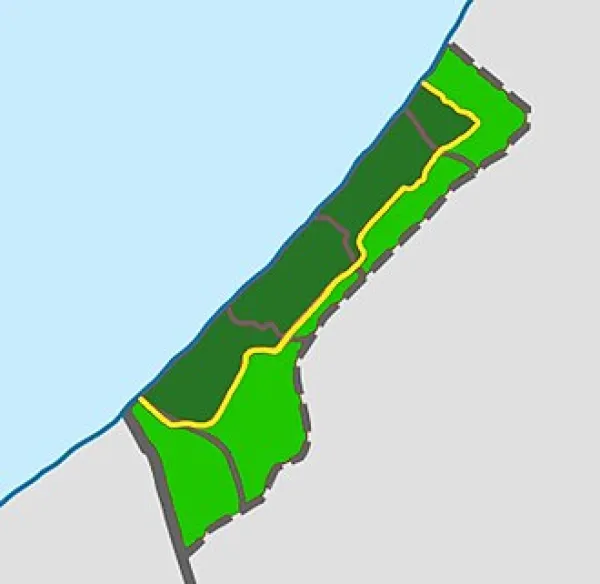
President Trump saying his Gaza peace plan will end the war between Israel and Hamas and launch a new era of peace in the Middle East is pure poppycock. Four months into the ceasefire, progress on implementing the 20-point plan appears to be stalling.
According to two NPR correspondents from Gaza, the ceasefire plan is not going according to plan.
* No increase in humanitarian aid.
* No education system is not in place.
* People are left without income.
* Freedom of travel is restricted.
* 20,000 injured Palestinians who are at risk of losing their lives if they were not evacuated for medical treatment abroad.
Instead of condemning the frequent Israeli violations of his "fake ceasefire plan," President Trump is more focused on covering his rear end with the daily revelation of the Epstein files, and sending ICE thugs into neighborhoods, heavily armed, looking almost indistinguishable from scenes of US soldiers abroad such as in Iraq, Afghanistan, and Venezuela where they can use violence overseas "In Defense of Empire."
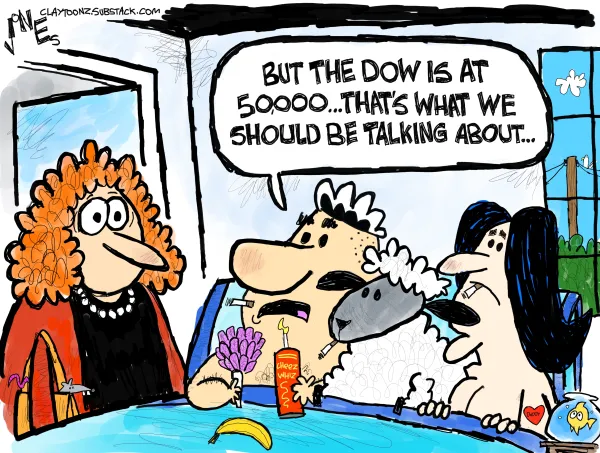
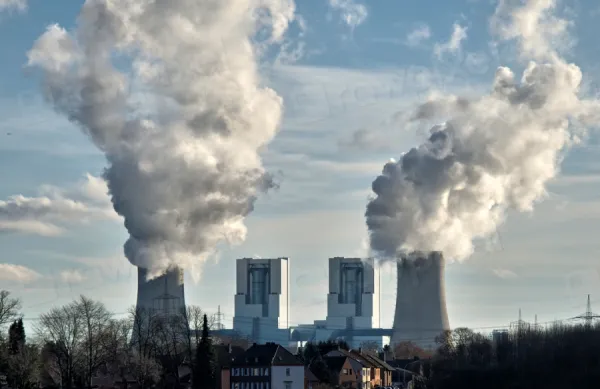
Gasping for air is anything but greatness. It might be called the Gilded Age, but all that gold leaf was covered in soot.
In the early 1900s, America mistook combustion for unadulterated progress. Robber barons ascended like demigods from furnace-lit boardrooms. Children disappeared into textile mills and coal shafts. Rivers ran the color of industry—blackened, metallic, iridescent. Pittsburgh was said to have glowed at night, not from benign innovation but from the orange haze of its own exhaust. Entire cities learned to live in a permanent dusk. Laundry left outside returned streaked with ash. The sun became rumor.
We eventually decided that wasn’t, in fact, greatness. We regulated, conceding that lungs weren't an expendable input in the national ledger. And yet here we are in 2026, debating whether the air is worth protecting—this time in the service of artificial intelligence.
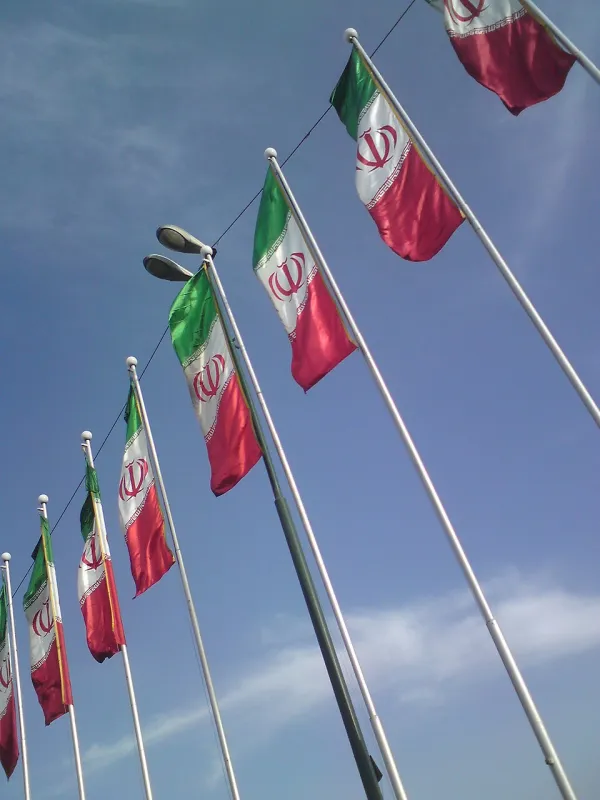
In recent months, Iranian opposition politics has increasingly been dominated by monarchist currents presenting themselves as democratic alternatives to the Islamic Republic. Their rhetoric emphasizes national unity, historical continuity, legitimacy, and liberation from clerical rule. Yet beneath the democratic language lies a deeper tension—one that has less to do with policy preferences than with the meaning of freedom itself. The question is not whether monarchists oppose the Islamic Republic. It is whether they oppose unconstrained power.
Calls for foreign-backed regime change, demands for exclusive recognition as the legitimate voice of the Iranian people, and systematic harassment of rival dissidents are not incidental excesses. They are signals. They point to a conception of politics in which authority must be unified, dissent disciplined, and legitimacy established prior to consent. What is being contested is not the existence of domination, but its rightful owner.
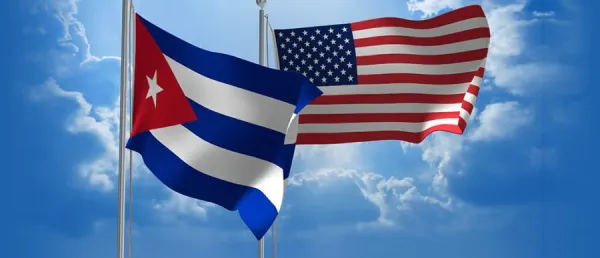
As the White House threatens war against Cuba, I am reminded of the charming evenings my parents and I spent at Havana’s venerable ‘Floridita Bar, sipping a newly invented cocktail, the Margarita, with the renowned writer, Ernest Hemingway.
`Papa’ Hemingway, who then lived in Cuba, loved this island with a great passion and wrote about it often. I feel the same way. I’ve been visiting Cuba since before Castro took over and feel at home in this socialist nation, no matter how threadbare or destitute.
Cubans, whom I call ‘the aristocrats of the West Indies’, have managed to survive efforts by the mighty U.S. to starve, isolate, and attack them for the past five decades. I’ve even been twice in battle against Cuban troops in Angola, Africa. They were valiant and competent soldiers.
Few Americans or Canadians know that Havana is even older than my native New York City. Sadly, today once gorgeous, sultry Havana is falling into ruins after seven generations of crushing embargo by the United States. Cuba’s revolutionary strongman, Fidel Castro, refused to bow to U.S. pressure or take orders from Washington.