
Local
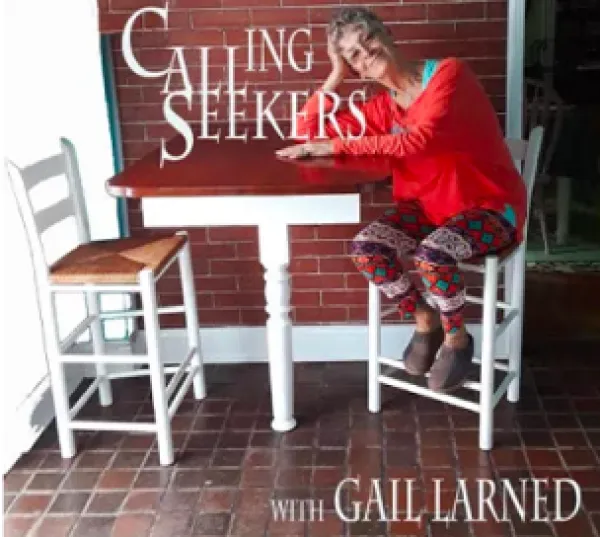
Six and a half weeks ago I broke humerus bone (upper arm). I had surgery to put a pin put into my arm. This is the 1st bone I’ve broken in my 73 years. It SUCKS!
I’m an alpha female, mother, grandmother and keeper of the casa. It has been quite challenging to “let” my sweet husband do for me the things I’ve always handled. Like undressing myself: I had to ask him to peel my sports bra off over my head! Very humbling, to say the least. Thank God we’ve been married for several decades. This experience is an exercise in patience. I’m having to adjust to my new normal. It’s made me reflect on all of the things I’d taken for granted – like undressing myself.
I have been teaching yoga since the 80s and I miss it terribly. My body misses it. I especially miss doing the yoga pose Down Dog (DD). I think about all of the times in a yoga workshop when the teacher kept us in DD for a long time and I’d think, when will it end. Now, I can’t wait to be able to pop out a Down Dog. Never thought I’d see the day where I was craving a nice long DD!
Wednesday, March 9, 7-8:15pm, this on-line event requires advance registration
This is week four of a four-week discussion course based on the four-part article “The Path to an Ecological Future for Humanity.” The link to the article is here. It is not necessary to read the article but it will be helpful.
Instructor: Chuck Lynd will begin with a short slide presentation and then will facilitate the discussion of each topic.
The goal of this course is to deepen our understanding of what it means to co-evolve a new culture rooted in ecological values and understand the role of Simply Living in building sustainability in central Ohio.
RSVP for this event by using this link.
Hosted by Simply Living.
Facebook Event
In honor of March 8 - International Women's Day:
Last Friday evening, the Department of Justice filed a brief in the U.S. Court of Appeals for the D.C. Circuit in the case by the states of Illinois and Nevada seeking to force U.S. Archivist David S. Ferriero to publish the Equal Rights Amendment (ERA) as part of the Constitution. The brief asks the D.C. Circuit to affirm the dismissal of the case “without resolving the ERA’s legal status.”
Importantly, the brief does not embrace the district court’s conclusion that the time limit stands in the way of the ERA. Instead, it recognizes that the questions of the ERA’s validity are important, profound, and novel. The brief argues that the dismissal should be affirmed on the grounds that the plaintiffs lack standing and have fallen short of the requirement to show a “clear and undisputable” entitlement to government action.
The brief also repeats President Biden’s statement “expressing his ‘support for the ERA loudly and clearly’” and declaring that “nothing prevents Congress from taking legislative action to ‘recogniz[e] ratification of the ERA.’”
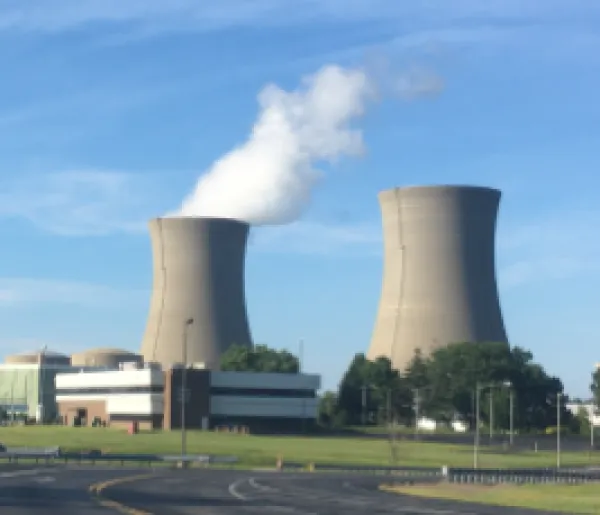
As you may know, the Ohio House Energy and Natural Resources Committee has passed House Bill 434.
It could be voted on by the full House at any upcoming meeting. The next meeting is Wed., March 9.
The state attacks its young people: Why? Of what are the state legislature, the majority on the State Board of Education, the governor, the secretary of state and attorney general afraid? What fears of losing power and control motivate them to institutionalize infantilization and its consequences of infanticide and stunted growth, all threats to the wholeness, wellness, and maturity of our nation? Why do they act unconstitutionally, against recognized modes of child development, with ignorance of the history and books they anti-democratically and inhumanely seek to ban?
This essay builds on my recent writing in Publishers Weekly and elsewhere on book banning as “the new illiteracy” and my testimony in the American Civil Liberties Union case suing a Missouri school district for its unconstitutional removal of books.

Home Grow. Ohio: Adult Use or Medical Only? Unions. Hemp Acreage. Killer Kush.
Selected bites of fresh cannabis news sliced from the headlines, with a legislative flavor and sweet Ohio twist. Sources are linked.
HOME GROW – 15 REASONS WHY
Read Mary Jane’s Free Press feature article for February Here!
“There’s a lot of talk about freedom these days. Freedom of speech. Freedom of choice. Freedom of association. Why don’t these freedoms apply to cannabis? If Americans are guaranteed freedom and liberty, growing six harmless plants should be permissible.”
=-=-=-=
FEDERAL LEGISLATION See Federal Cannabis Legislation Table.
117th Congress (2021-2022): House bills = 43 and Senate bills = 15, for a Total of 58.
Sunday, March 6, 5:30pm
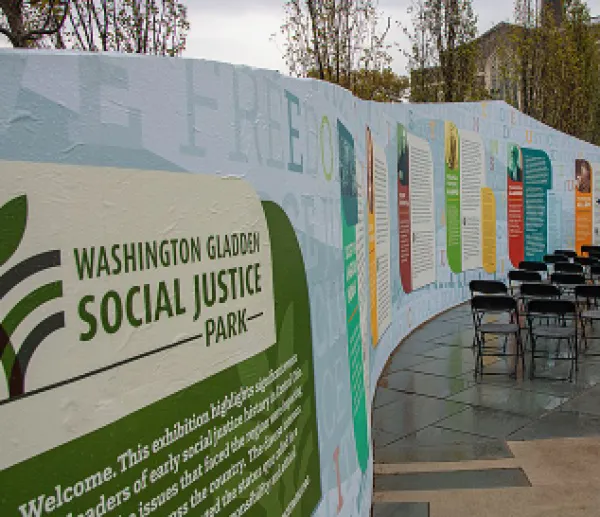
Washington Gladden Social Justice Park, northeast corner of E. Broad St. and Cleveland Ave.
We will be gathering this Sunday [3-6-2022] at 5:30pm at the Washington Gladden Social Justice Park for an interfaith service to pray for peace.
At 6pm, we will move to the steps of the church to set up flags of Ukraine and peace flags with sunflowers.
The second part will be led by interfaith youth.
Please join us as your schedule permits; please pass the message to others as well.
Hosted by Faith in Public Life Ohio.
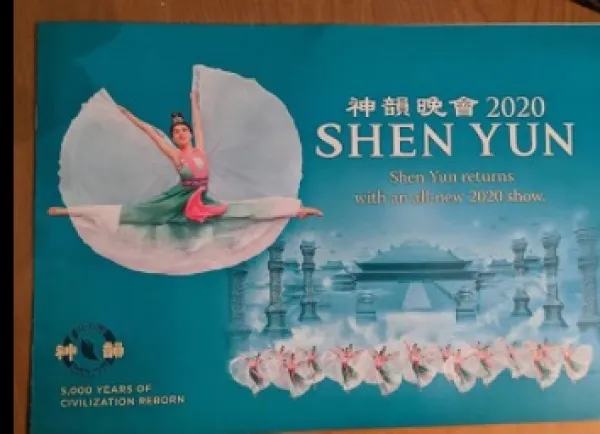
The title “Shen Yun: China Before Communism” above an image of a sprawling dancer was the first thing seen when picking up the February 13 edition of the Columbus Dispatch. Vague quotes of the “life changing experience,” connecting “heaven and earth,” and “explosive athleticism” littered the double-sided foldout advertisement. Tickets start at $80 for the March 5-6 performances here in Columbus. Noticeably absent from the ad was any mention of the religion behind it, Falun Gong – a racist, homophobic, anti-science, right-wing cult founded in the 1990s.
The Shen Yun Performing Arts organization was established in upstate New York in 2006. The six theater troupes of Shen Yun, including dancers and a full orchestra, train at the tightly restricted 427-acre Dragon Springs compound, headquarters of Falun Gong and their leader, Li Hongzhi. Shen Yun claims that they rebirthed five thousand years of China’s history there in upstate New York, “bringing back the rich and beautiful culture that the communist regime has been eroding.”
Rally outside the Arnold Sports Event
Saturday, March 5, 12noon [during the Arnold Sports Festival], Greater Columbus Convention Center [near the Arnold Schwarzenegger Statue], 400 N. High St.
Please come out to support Ukraine, protest the war, and protest the violence and Russian aggression.
Let’s not repeat the mistakes of the past. Putin will not stop with Ukraine. He will move further just like Hitler did. Please come out and help. Show that American people are not indifferent to unprovoked aggression, human suffering, and the fight for freedom.
Hosted by Ukrainian Cultural Association of Ohio.
Facebook Event Rally Against War and Imperialism in UkraineSaturday, March 5, 1pm, intersection of N. High St. and North Broadway
Friday, March 4, 2022, 12:00 - 1:00 PM
Simply Living's First Fridays series highlights sustainability initiatives in the city of Columbus and surrounding region that you may want to know more about. Each month our speakers will discuss the initiatives they are working on to make Columbus more sustainable and equitable.
Join us in March as we speak with the leaders of two Columbus initiatives: GreenSpot and Keep Columbus Beautiful. In this online event, we will hear from David Celebrezze, coordinator of GreenSpot, a coalition of over 23,000 homes, businesses, and neighborhoods in Central Ohio that have pledged to take actions to support sustainability and Aryeh Alex, manager of Keep Columbus Beautiful, a city agency that focuses on public education and volunteer service on environmental issues including litter, recycling and beautification. This online event will feature two short presentations followed by Q and A for the speakers.