
Environment

UPDATE: Now included in this video is the Q&A portion.
Here’s a video I encourage you to watch above or at this LINK. The part that I’m in, which addresses climate and war, starts around minute 40, but I encourage you to watch the whole thing.
This was an event in Charlottesville, Va., on February 28, 2020, featuring activists whose portraits have been painted by Robert Shetterly. Meeting other such activists has been a major source of inspiration to me. In this case, those activists include Sherri Mitchell, Kelsey Juliana, Diane Wilson, and John Hunter. They’re terrific.
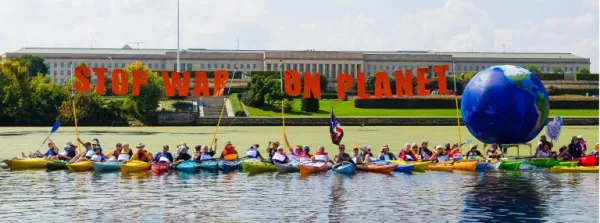
A moment in which U.S. politicians are openly talking about the need to sacrifice lives to a disease in the name of profit may be a good moment for recognizing the evil motivations of the same politicians when it comes to foreign policy.
Congress members did not, no matter what Joe Biden says, vote for war on Iraq in order to avoid war on Iraq. Nor did they make a mistake or a miscalculation. Nor does it make the slightest difference how successful they were in persuading themselves of ludicrous and irrelevant lies about weapons and terrorism. They voted for mass murder because they did not value human life and did value one or more of the following: elite, corporate, and nationalistic support; global domination; weapons profits; and the interests of major oil corporations.

As the human onslaught against life on Earth accelerates, no part of the biosphere is left pristine. The simple act of consuming more than we actually need drives the world’s governments and corporations to endlessly destroy more and more of the Earth to extract the resources necessary to satisfy our insatiable desires. In fact, an initiative of the World Economic Forum has just reported that ‘For the first time in history, more than 100 billion tonnes of materials are entering the global economy every year’ – see ‘The Circularity Gap Report 2020’ – which means that, on average, every person on Earth uses more than 13 tonnes of materials each year extracted from the Earth.
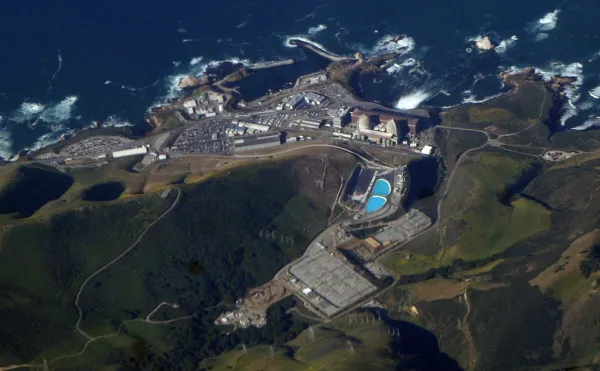
California’s Super Tuesday primary on March 3 comes amid an atomic struggle whose outcome will hugely impact the nation and world, including the global climate crisis, the Green New Deal and the outcome of the 2020 election.
Ground Zero is Diablo Canyon, nine miles west of San Luis Obispo. Ringed by earthquake faults, the two big atomic reactors there are less than 50 miles west of the infamous San Andreas Fault. Since their mid-1980s opening, the Diablo Canyon reactors have become a symbol of everything the global No Nukes movement opposes, provoking more civil disobedience arrests (over 10,000) than any other U.S. reactor site.
The two reactors are also in the vortex of a revolution in green tech. All other California nukes have since shut down. Meanwhile, new solar and wind installations accounted for some 1,700 megawatts of new green capacity last year alone. That’s nearly three-quarters the total power of the two Diablo nukes combined.

If there’s anything that’s going to shatter national borders and force humanity to reorganize itself, it’s climate change.
But as long as we look at this looming planetary unraveling from within the cage of nationalism — especially “white nationalism,” which quietly remains the full meaning of the term — we simply see the natural world as another potential enemy: a threat to “national security.”
Bases, Demilitarization, Economic Cost, Environment, North America
By Caroline Davies, February 4, 2020
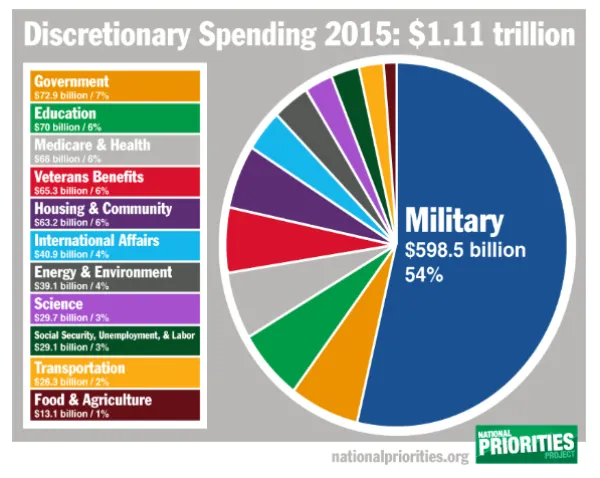
Extinction Rebellion (XR) US has four Demands for our governments, local and national, the first of which is “Tell the Truth”. One truth that is not being told or spoken about openly, is the carbon footprint and other sustainability impacts of the US Military.
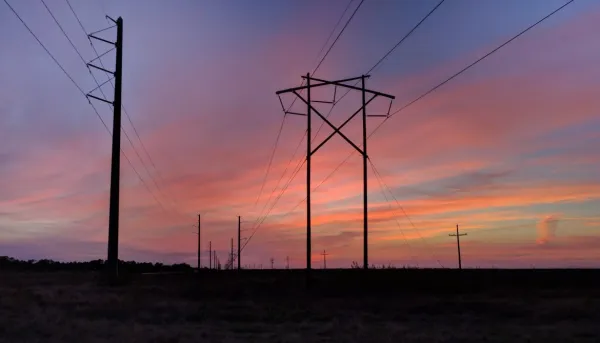
The Pacific Gas and Electric Company (PG&E) has diverted over $100 million from safety and maintenance programs to executive compensation at the same time it has caused an average of more than one fire a day for the past six years killing over 100 people.
PG&E is the largest privately held public utility in the United States. A new research report shows that 91% of PG&E stocks are held by huge international investment management firms, including BlackRock and Vanguard Group. PG&E is an ideal investment for global capital management firms with monopoly control over five million households paying $16 billion for gas and electric in California. The California Public Utility Commission (PUC) has allowed an annual return up to 11%.
Between 2006 and the end of 2017, PG&E made $13.5 billion in net profits. Over those years, they paid nearly $10 billion in dividends to shareholders, but found little money to maintain safety on their electricity lines. Drought turned PG&E’s service area into a tinderbox at the same time money was diverted from maintenance to investor profits.
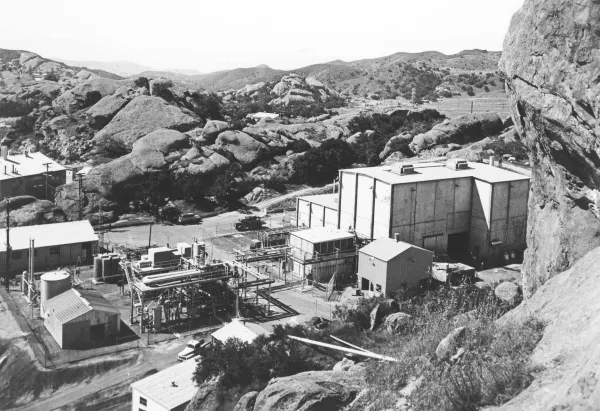
The Saga of Santa Susana
On November 24, 1957, an experimental nuclear reactor at the Santa Susana Field Lab site just north of Los Angeles produced the electricity to briefly light up the nearby city of Moorpark – an historic first.
With national TV coverage by the famed Edward R. Morrow and CBS on its popular “See It Now” series, and with officials from the fledgling US Atomic Energy Commission (AEC) in attendance, the event was touted as proof of the promise of commercial nuclear power in the United States.
Just 8 months later, on July 13, 1959, that same reactor became the site of America’s first nuclear meltdown - by some estimates even worse than the subsequent meltdown at Three Mile Island. Six weeks later, the Atomic Energy Commission issued a press release citing a “minor fuel element failure.” Other than that, news coverage of the Santa Susana event was virtually non-existent for years. The ‘Friendly Atom’ psyops campaign was swinging into action.

There is a significant body of evidence that human extinction is now imminent; that is, it will occur within the next few years and possibly this year: 2020. There is also a significant body of evidence that human extinction is now inevitable; that is, it cannot be prevented no matter what we do.
There are at least four distinct paths to imminent (that is, within five years) human extinction: nuclear war (possibly started regionally), biodiversity collapse (already well advanced and teetering on the brink), the deployment of 5G (commenced recently) and the climate catastrophe. Needless to say, each of these four paths might unfold in a variety of ways.

At the beginning of the nineteenth century, it is estimated that the total number of passenger pigeons in the United States was about three billion birds. The bird was immensely abundant, as illustrated by this passage written by the famous ornithologist, naturalist and painter John James Audubon: