
Environment
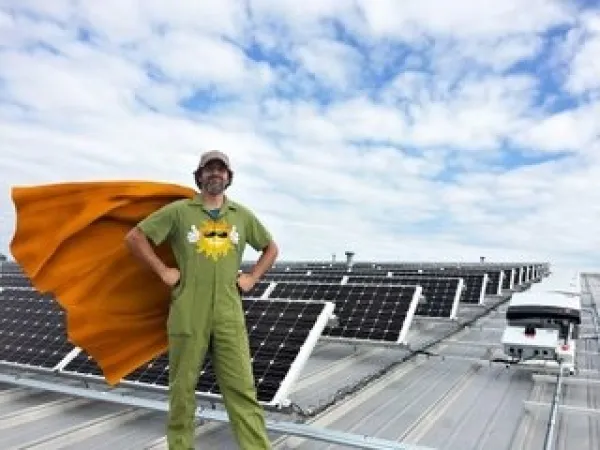
s Donald Trump launches his latest assault on renewable energy—imposing a 30 percent tariff on solar panels imported from China—a major crisis in the nuclear power industry is threatening to shut four high-profile reactors, with more shutdowns to come. These closures could pave the way for thousands of new jobs in wind and solar, offsetting at least some of the losses from Trump’s attack.
Like nearly everything else Trump does, the hike in duties makes no rational sense. Bill McKibben summed it up, tweeting: “Trump imposes 30% tariff on imported solar panels—one more effort to try and slow renewable energy, one more favor for the status quo.”
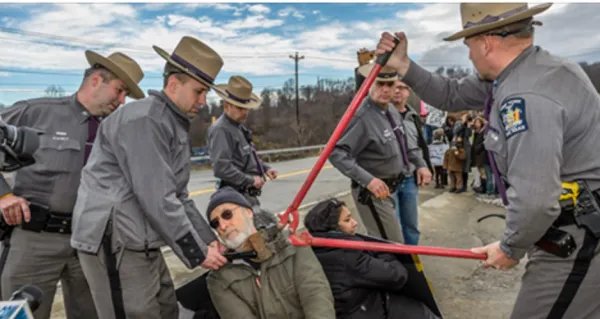
For actor/activist James Cromwell and other ecologists, December 7, 2017 is another date that will live in infamy, as a Pearl Harbor Day for bald eagles, the symbol of America. As part of his ongoing struggle against fracking, Cromwell was back in court this week observing a hearing regarding the fate of the controversial Competitive Power Ventures power plant in Orange County, N.Y. Although there is currently a moratorium on fracking in N.Y. State, the disputed process is allowed just across the border. According to Cromwell, methane gas is drilled out of the shale fields in eastern Pennsylvania for transport via pipeline across State lines to Wawayanda, N.Y. Activists are anxious about the possibility of leaks, as well as fracking’s role in climate change.
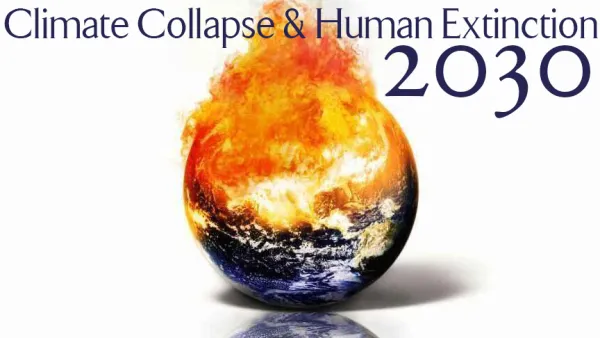
Several years ago in Cameroon, a country in West Africa, a Western Black Rhinoceros was killed. It was the last of its kind on Earth.
Hence, the Western Black Rhinoceros, the largest subspecies of rhinoceros which had lived for millions of years and was the second largest land mammal on Earth, no longer exists.
But while you have probably heard of the Western Black Rhinoceros, and may even have known of its extinction, did you know that on the same day that it became extinct, another 200 species of life on Earth also became extinct?
This is because the sixth mass extinction event in Earth’s history is now accelerating at an unprecedented rate with 200 species of plants, birds, animals, fish, amphibians, insects and reptiles being driven to extinction on a daily basis. And the odds are high that you have never even heard of any of them. For example, have you heard of the Christmas Island Pipistrelle, recently declared extinct? See ‘Christmas Island Pipistrelle declared extinct by IUCN’.
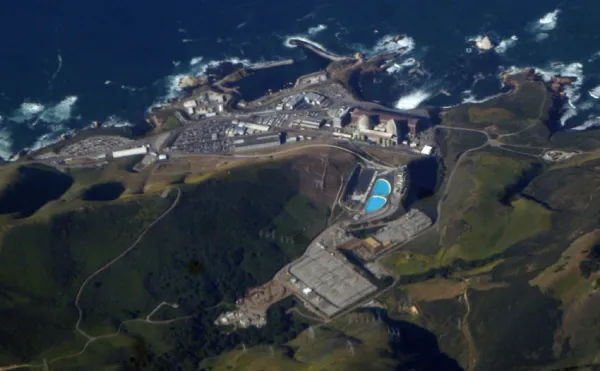
A proposal by a California administrative law judge has given safe energy advocates new hope that two Diablo Canyon nuclear reactors will be shut before an earthquake on the San Andreas fault turns them to rubble, potentially threatening millions of people.
The huge reactors—California’s last—sit on a bluff above the Pacific, west of San Luis Obispo, among a dozen earthquake faults. They operate just 45 miles from the San Andreas. That’s half the distance from the fault that destroyed four reactors in Fukushima, Japan, in 2011. Diablo’s wind-blown emissions could irradiate the Los Angeles megalopolis in less than six hours if an earthquake destroyed the plant.
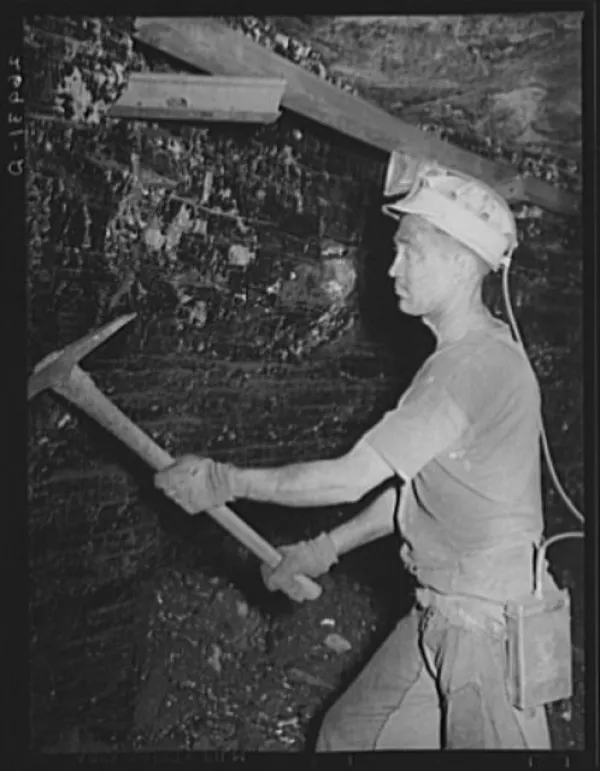
Announcing its plans to eliminate rules reducing carbon pollution from power plants, the Trump Administration framed the repeal as necessary to prevent the demise of the coal industry and its miners. Predictably, environmentalists refuted this rationale, but they aren’t alone.
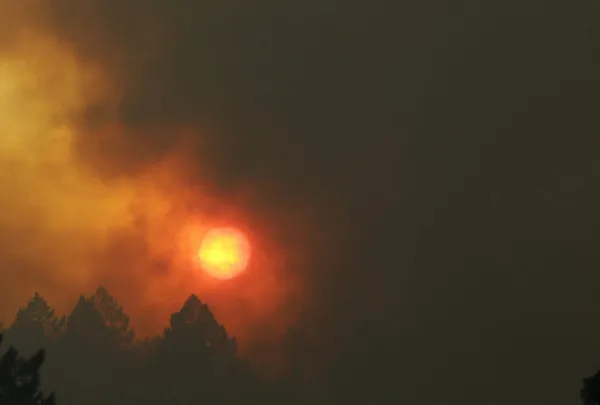
The raging fires and toxic smoke clouds pouring through Northern California can only be described as apocalyptic.
Were they sparked by Pacific Gas & Electric’s centralized grid?
And where are our federal government and national media?
More than 40 people are dead; many more are missing. Given how fast the fires raced through the region, it’s possible that other humans—as well as farm animals, pets and wildlife—have been incinerated.
AdvertisementIn many cases, the margin for escape was five minutes or less. Some people who did not leave their homes at the first sign of danger died. Some stood in home swimming pools for hours while everything burned around them. Flames leaped over Highway 101 and other major roads, creating firestorms with temperatures of 1,200 degrees Fahrenheit and more.
FOR IMMEDIATE RELEASE
September 21, 2017
Contact:
Mari Margil
Director, CELDF’s International Center for the Rights of Nature
503-381-1755
mmargil@celdf.org
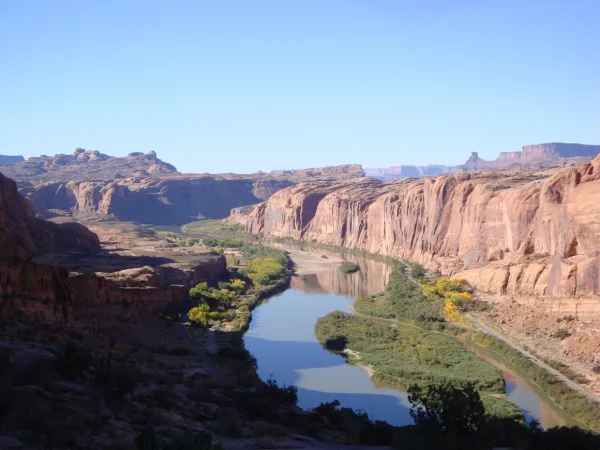
Mercersburg, Pennsylvania: The Community Environmental Legal Defense Fund (CELDF)is serving as a legal adviser for the first-in-the-nation lawsuit in which a river is seeking recognition of its legal rights.
To be filed next week in federal district court in Colorado, the lawsuit Colorado River v. State of Colorado seeks a ruling that the Colorado River, and its ecosystem, possess certain rights, including the right to exist, flourish, evolve, regenerate, and restoration.

This is about a clean, environmentally benign, cost effective way to capture energy which is otherwise lost.
Cisterns are normally considered to be rainwater storage devices either underground, or at ground level. Also, cisterns are not involved with the production of electricity.
The 12 continental U.S. places with the most annual rainfall are all on the west coast. Their average figures range from 105.6” at Grays River Hatchery, Washington state, to 130.6” at Aberdeen Reservoir, also in Washington.
What if a rather large cistern were placed at the top of a 200’ tower, just offshore in Washington state, where the rainfall was 108” (9 feet) per year? What if this device collected rainfall, and periodically allowed the accumulated water to escape by way of turbines just above the water’s surface? The turbines would be connected to the nearest power transmission lines
How much electricity could such a cistern/turbine combination generate in one year? Let’s talk about one acre in size, nine feet in depth. One acre is 43,560 square feet. This is not much larger than the average putting green at a golf course.
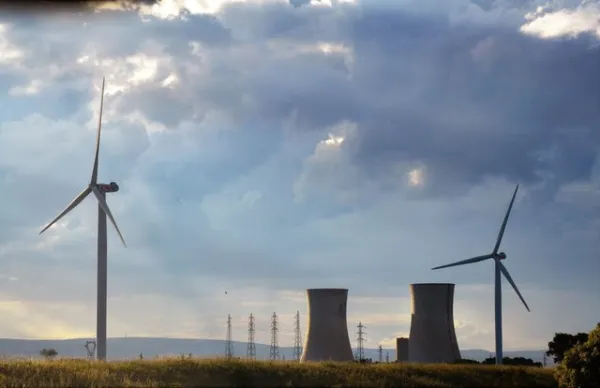
Two of the last four commercial nuclear power plants under construction in the United States—both of them at the V.C. Summer site in South Carolina—have been cancelled. A decision on the remaining two, which are in Georgia, will be made in August.
“DING DONG, Summer is dead,” says Glenn Carroll, one of a core group of safe energy activists who have labored for decades to rid the southeast of these last four reactor projects.
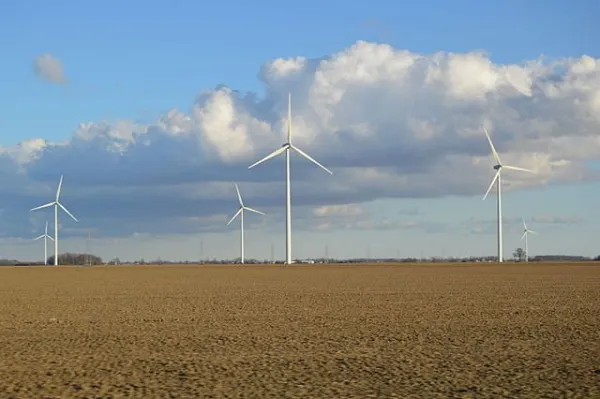
In the corporate war against renewable energy, a single Ohio regulation stands out.
It is a simple clause slipped into the state budget without open discussion, floor debate, or public hearings.
The restriction is costing Ohio billions of dollars and thousands of jobs.
The regulation demands that wind turbines sited in the Buckeye State be at least 1,125 feet from the blade tip to the nearest property line, about 1300 feet total—nearly a quarter-mile.