
Human Rights
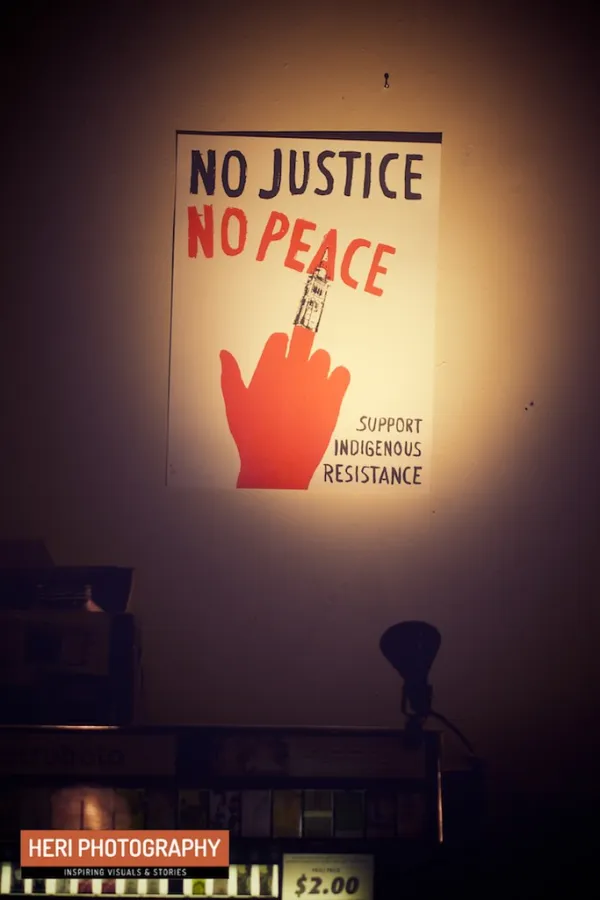
Strong commitment to freedom?
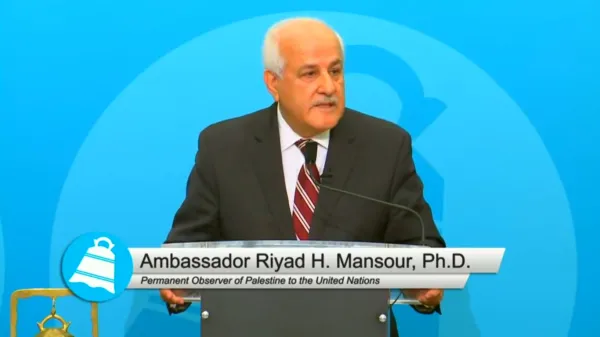
Rarely does the Palestinian ambassador to the United Nations make an official remark expressing happiness over any UN proceeding concerning the Israeli occupation of Palestine.
Indeed, the Palestinian Ambassador Riyad Mansour is "very happy that there was a very strong united message from the Security Council against the illegal, unilateral measure" undertaken by the Israeli government.
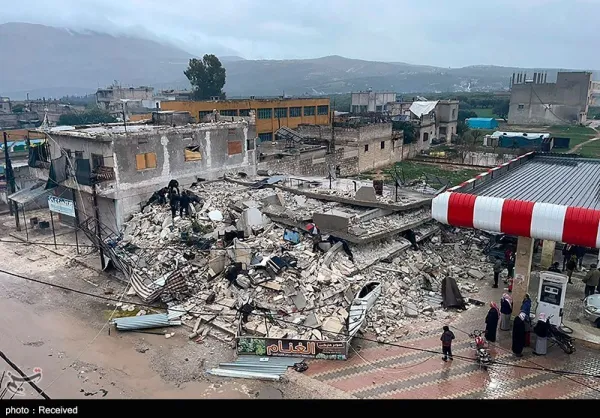
On February 7, a funeral was held in the northern Syrian town of Jinderis. It was one of numerous such funerals to be held on that day across Syria and Türkiye, following a devastating earthquake that killed and injured thousands.
Each one of these funerals represented two seemingly opposite notions: collective grief and collective hope. The Jinderis funeral was a stark representation of this dichotomy.
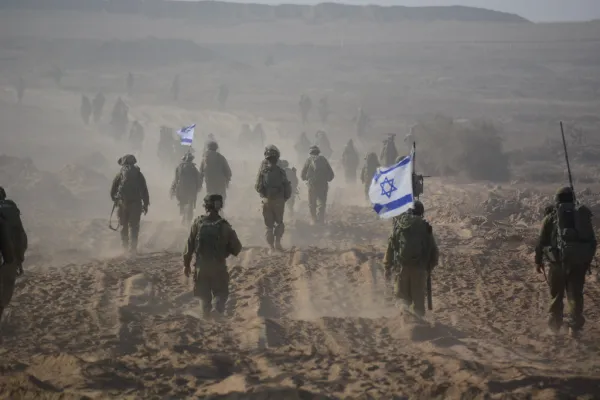
Though Israel’s past wars on Gaza have often been justified by Tel Aviv as a response to Palestinian rockets or, generally, as acts of self-defense, the truth is different. Historically, Israel’s relationship with Gaza has been defined by Tel Aviv’s need to create distractions from its own fractious politics, to flex its muscles against its regional enemies and to test its new weapons technology.

America, America . . . God kicks thee in the head.
The twisted irony here — the irony of the brutal murder of Tyre Nichols in Memphis, Tennessee last month — is that his killers were the ones hired and trained to keep the city safe. Instead, they created half an hour of hell for the young man, kicking and beating and tasing him to death a short distance away from his mother’s house, after a random, and perhaps unjustified, traffic stop.
One of the last words he uttered, as recorded on a pole-mounted police surveillance video of the incident, was a desperate cry: “Mom-m-m-m-m!”
Should we outlaw hell? Or maybe at least defund it?
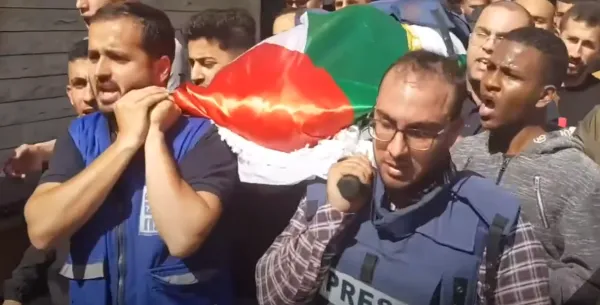
On January 19, during one of its raids in the Occupied West Bank, the Israeli military arrested a Palestinian journalist, Abdul Muhsen Shalaldeh, near the town of Al-Khalil (Hebron). This is just the latest of a staggering number of violations against Palestinian journalists, and against freedom of expression.
A few days earlier, the head of the Palestinian Journalist Syndicate (PJS), Naser Abu Baker, shared some tragic numbers during a press conference in Ramallah. “Fifty-five reporters have been killed, either by Israeli fire or bombardment since 2000,” he said. Hundreds more were wounded, arrested or detained. Although shocking, much of this reality is censored in mainstream media.
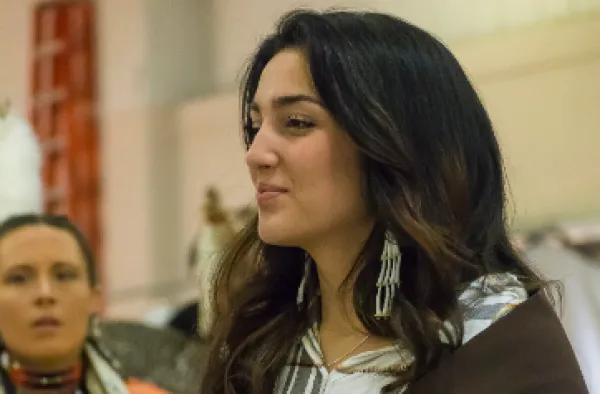
I would like to tell you about a very interesting and well written summary of indigenous resistance in early Ohio, aspirating to intertwine it with current struggles. This reader learned a lot!
The Columbus Worker, offers a particularly worthwhile article on a history of the indigenous resistance throughout what is today Ohio and Indiana, beginning some decades previous to its colonization by the United States and extending up to Tecumseh’s departure from this life.
This online magazine is sponsored by a group called the Central Ohio Revolutionary Socialists, who recently opened their formerly internal magazine to a wider readership. Dylan Vanover’s reasons for broadcasting the History of Indigenous Resistance in Ohio couldn’t be said better or more succinctly than his own introduction.

When the newsstand of Giuseppe Trani was swept away by disastrous flooding that devastated the southern Italian town of Casamicciola at the end of November, the 70-year-old man lost everything. Not for long, though, as the townsfolk, who were also affected by the flooding and landslides experienced throughout the whole region, raised the funds needed to help Trani rebuild his kiosk.
Moreover, when a five-year-old Moroccan boy, Rayan Oram, fell into a well in the impoverished northern Chefchaouen province, tens of millions followed the story with trepidation throughout Africa, the Middle East and, eventually, around the world. The fact that the story had a sorrowful ending may have distracted some of us from the realisation that little Rayan had unwittingly united us in hope and prayer, despite our seemingly insurmountable differences.
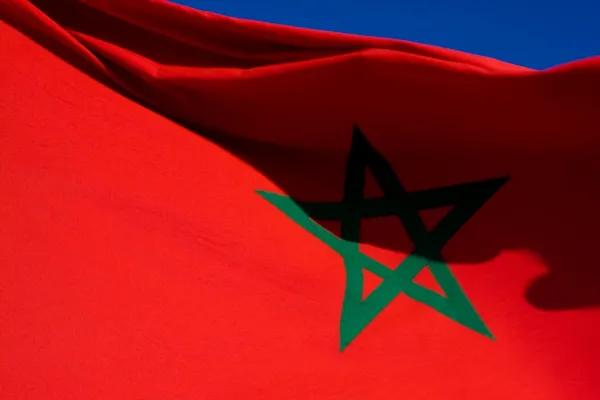
Two years ago, Morocco and Israel signed the US-brokered “Joint Declaration”, thus officially recognizing Israel and instating diplomatic ties. Though other Arab countries had already done the same, the Moroccan official recognition of Apartheid Israel was particularly devastating for Palestinians.
Years ago, a close Moroccan friend told me that the ‘first time’ he was arrested was during a solidarity protest for Palestine in Rabat which took place many years ago.
The reference to the ‘first time’ indicated that he was arrested again, though mostly for other political activities, suggesting that Palestine, in many ways, has become a local struggle for many Moroccans.

Unlike the group’s first appearance on September 2, the number of fighters who took part in the rally in the Old City of Nablus on December 9 was significantly larger, better equipped, with unified military fatigues and greater security precautions.