
Peace
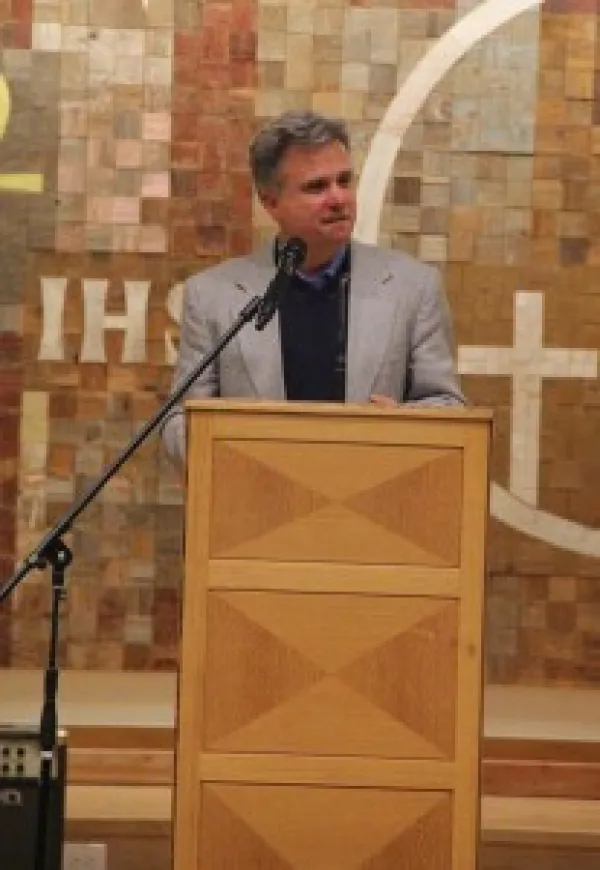
Remarks in Albuquerque, New Mexico, December 12, 2018
There’s action happening now in the U.S. Senate on ending U.S. participation in the war on Yemen. There’s a big loophole in the bill. There’s the matter of selling Saudi Arabia its weapons. There’s the House of Misrepresentatives to worry about. There’s the veto threat. There’s the question of getting compliance out of a president you’ve pretty well promised never to impeach, at least not for any of dozens of documented offenses unrelated to Russia. All that being said, the current action is a very good thing, and New Mexico’s senators have thus far been on the right side of it.
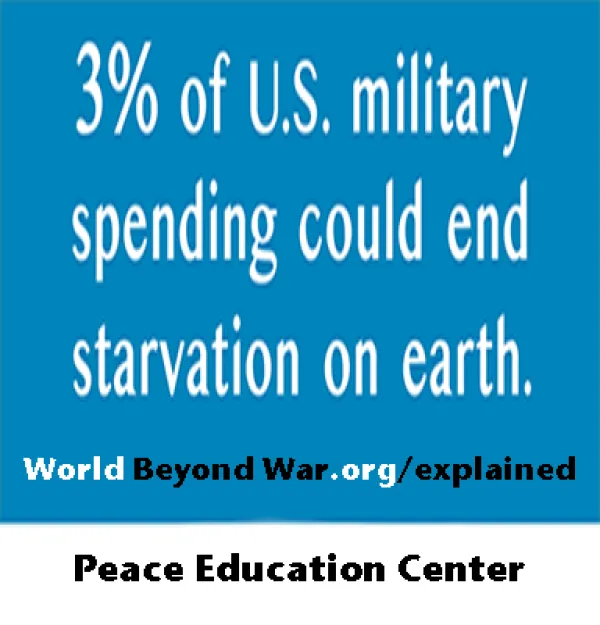
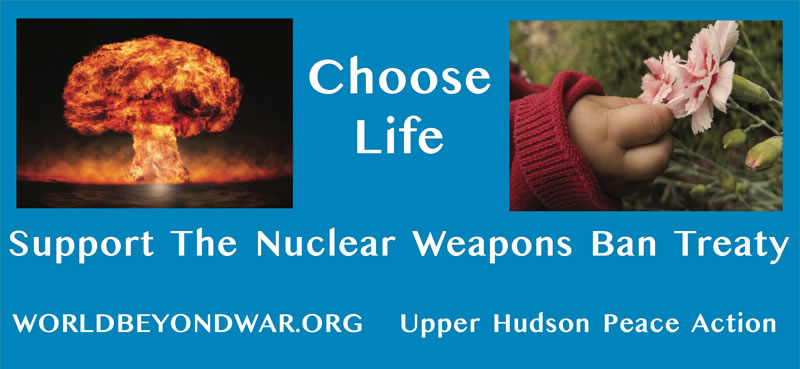
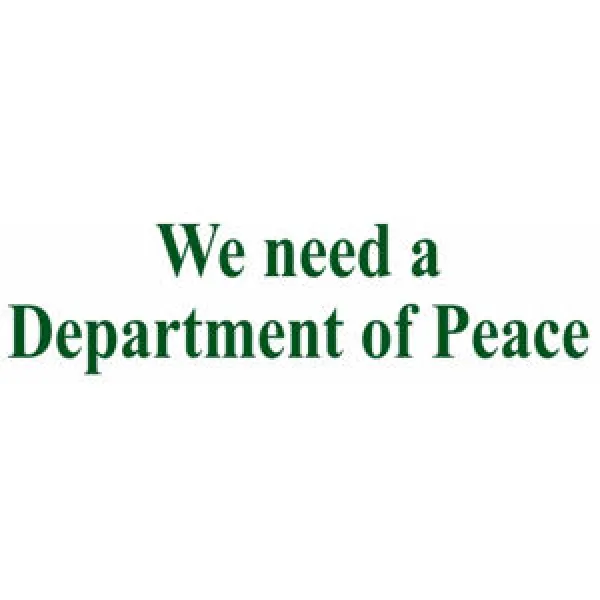
New billboards are going up around the United States and elsewhere opposing war. Some are not going up because the message is deemed unacceptable. Many more are being planned.
This ad at right is going up in various sizes and dimensions around Lansing, Michigan, thanks to the Peace Education Center. We’ll post the details on the billboards pagewhen we have em.
The billboard below is going up for the month of January in Albany, NY — specifically on Erie Blvd. 1,000 ft north of Nott St., thanks to Upper Hudson Peace Action:
This one below is enlightening the good people of Pittsburgh, thanks to WILPF Pittsburgh:
Suddenly America’s political cauldron bubbles with hope and possibility — not just because the Democrats have won races across the country, but because voters pushed back in record numbers against the forces of Trump and racism and the long-standing lies of entrenched wealth.
Now the work begins: to hold our political leadership accountable for real change —the sort of change that is too easily ducked by the powerful. The time has come to change who we are as a nation, to transform the national identity.
Here’s a simpler way to put it: “Will the new House Democrats take on the war lobby?”
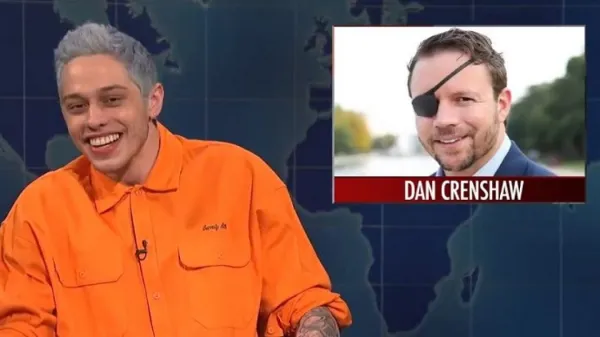
What is more sick about U.S. society?
1) It’s totally 100% acceptable to make cruel stupid jokes about people’s appearance.
2) There’s an exception. You shouldn’t do it if the thing you’re making fun of relates to their participation in mass murder.
3) Violation of that exception is such a sin that you must publicly repent and grovel.
4) This is true even if the sin was committed on a steadfastly unfunny and unintelligent television program that nobody watches.
5) The repentance is incomplete without declaring the participant in mass murder to be a “war hero.”
6) You also must promote militarism in general and instruct the audience to honor participants in mass murder with meaningless phrases like “never forget.”
7) You can claim to find heart-warming unity around mass-murder operations and have not a single campaign launched to remove a single one of your advertisers.

British author and social commentator H.G. Wells may have coined the expression that originally popularized World War I as The War that Will End War, as his book, based on articles written during that vast military conflict, was titled. In any case, in one version or another, the expression was one of the most common catchphrases of the Great War of 1914-1918 and has survived as an expression, often used with a grimace of sarcasm, ever since.
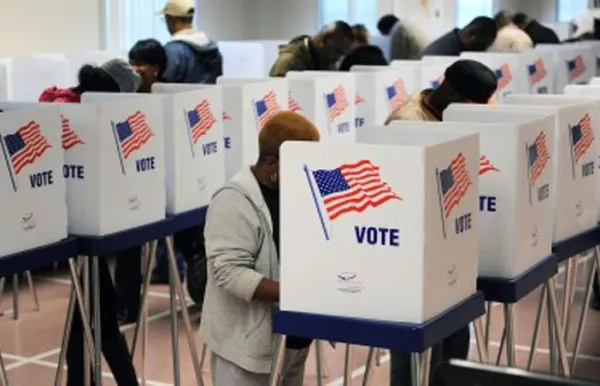
You’ve been radically misled to believe that the only thing, or the most important thing, or one of the super important things you can do is vote. Voting in a functioning democracy would be a fairly important thing to do, but wouldn’t somehow eliminate the thousands of important things that would also need doing. Voting in a broken democracy is a mildly important thing to do, for the reasons you know by heart, but also for this reason: Seeing so many people so eager to do something alerts everyone else to the fact that you give a damn.
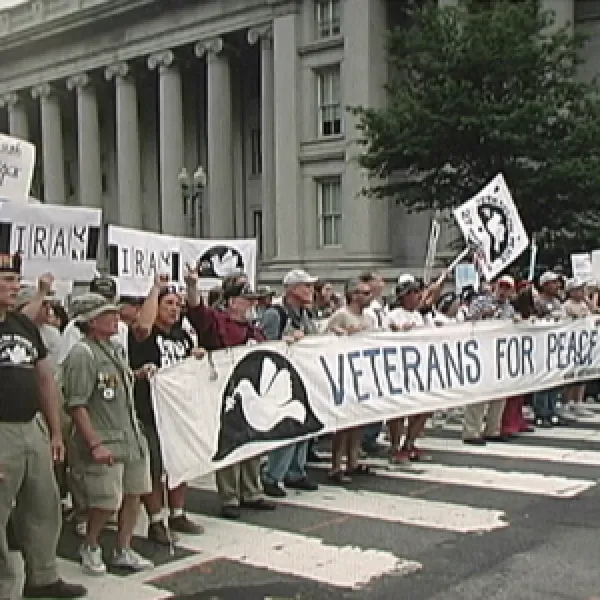
Some are inclined to recognize that Trumpies are dwelling in an alternative universe in which neither climate collapse nor nuclear apocalypse is a concern but terrifying wild hoards of Muslim Hondurans are skipping and dancing into the Fatherland armed with gang symbols, deadly rocks, and socialistic tendencies.
Others are alert to the fact that the so-called “mainstream” — the viewpoint of pro-status-quo, anti-improvement institutions — is also fabricated in a wishful dream factory. As exhibit one, I offer: Veterans Day.
“Don’t let the perfect be the enemy of the good!”
“Don’t be such a purist!”
“Be strategic!”
“Do what’s possible!”
“You can’t deny reality / human nature / religious text.”
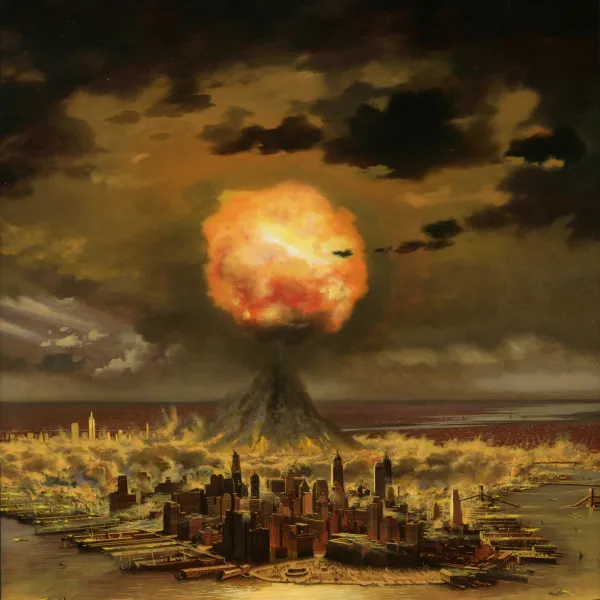
The phrases used to oppose proposals for major change haven’t changed much for centuries, in both meanings of that phrase. No doubt these sayings sound better in certain circumstances than others, depending on the details. But in general, I find that they sound worse since the status quo locked in the climate collapse, and since the risk of nuclear catastrophe reached it’s current record high and rapidly climbing position.
I’ve just read a new book called War, Law, and Humanity by James Crossland that looks at efforts to regulate or end war from the 1850s up through the beginning of the 1900s. One strain of thought was that war needed to be eliminated and replaced with nonviolent arbitration. Another was that war needed to be regulated, doctors and nurses admitted onto battlefields, standards upheld for the treatment of prisoners, particular weapons banned, etc. The peace advocates were mocked as dreamers. The humanizers were the “realists.”
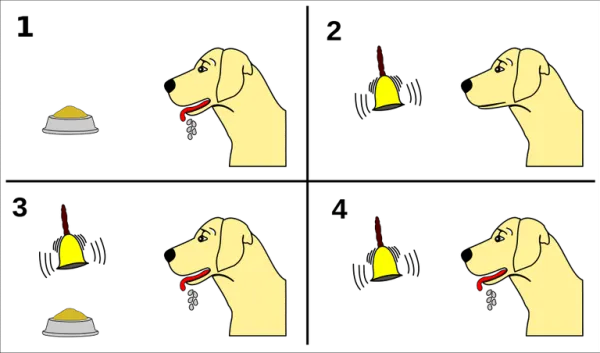
According to the analysis of police-murder-instigator Dave Grossman, the reason that only a minority of soldiers attempted to kill in World War II and earlier wars was a general aversion to committing murder. And the reason that the vast majority of U.S. soldiers (marines, sailors, etc.) have attempted to kill in recent decades is “classical conditioning.” A fireman rushes into a fire without thinking, if he or she has been conditioned through drill repetition to do so. Soldiers kill without thinking, if they have been trained to do so through the repetition of the realistic simulation of killing.
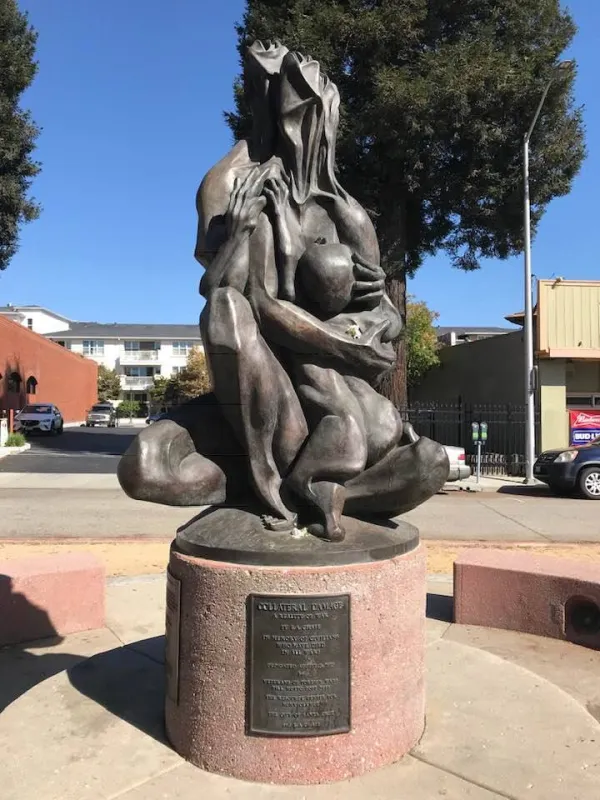
Remarks at the Resource Center for Nonviolence in Santa Cruz, Calif., on October 12, 2018.
Video slowly uploading will be at https://youtu.be/jKhnteeo4k8
Exactly at the 11th hour of the 11th day of the 11th month, in 1918, 100 years ago this coming November 11th, people across Europe suddenly stopped shooting guns at each other. Up until that moment, they were killing and taking bullets, falling and screaming, moaning and dying, from bullets and from poison gas.
Wilfred Owen put it this way: