
Peace
In the park today I saw a teenager watching two little kids, one of whom apparently stole a piece of candy from the other. The teenager rushed up to the two of them, reprimanded one of them, and stole both of their bicycles. I felt like it was my turn to step in at that point, and I confronted the bicycle thief. “Excuse me,” I said, “what makes you think you can commit a larger crime just because you witnessed a smaller one? Who do you think you are?” He stared at me for a while, and replied: “the U.S. military.”
There is no crime larger than war. There is no way to legalize it. The Kellogg-Briand Pact bans it, and the United Nations Charter bans it with narrow exceptions that have not remotely been met by any of the U.S. wars of the past 17 years. A small crime cannot justify a larger one. In 2002-2003 Iraq could have had all the weapons the warmongers were lying about. Or it could have not had them. It didn’t make the slightest difference legally, morally, or otherwise in justifying a war.

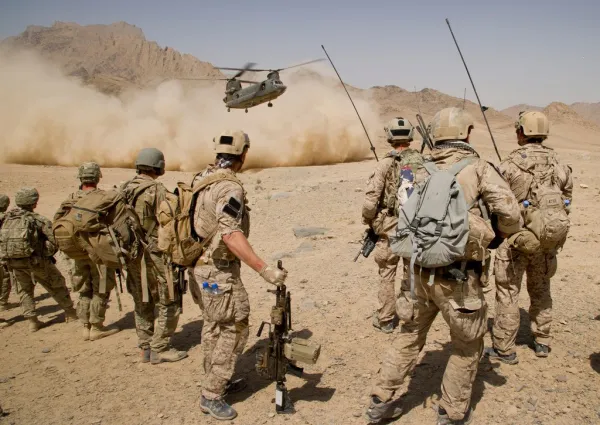
 he Pentagon, having spent three years creating famine and spreading cholera on an unprecedented scale in one of the poorest countries in the world, Yemen, now lies, baldly but with lawyerly gracelessness, that the American bombs guided by American officers to targets as often as not civilian is somehow “noncombat.” Effectively, the Pentagon argues that when US military forces only enable genocide, it’s not combat. Strictly speaking, the Pentagon is only following orders to commit ongoing war crimes.
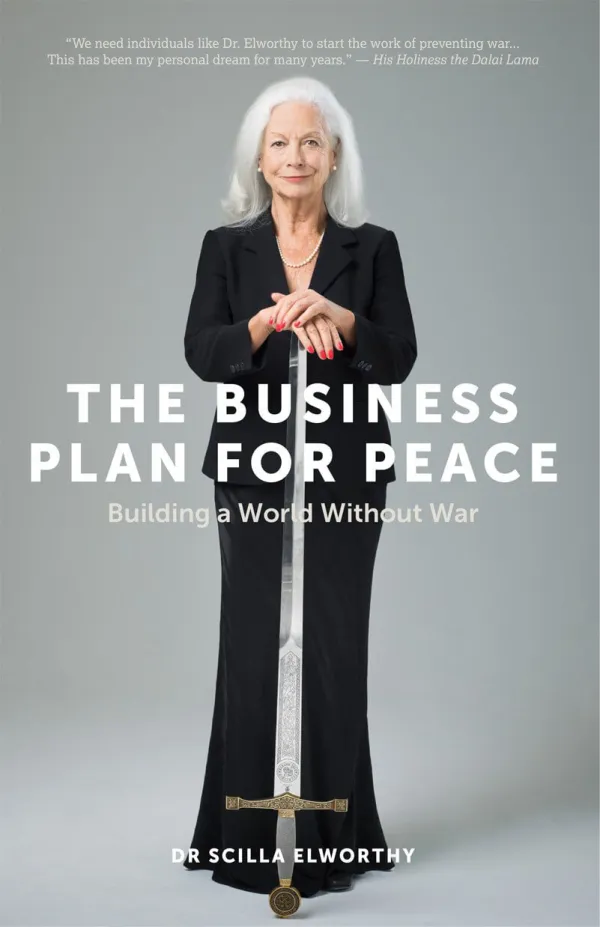
If you had just asked me if peace needed a “business plan,” I’d have replied, “Sure! Just like it needs a toupeed golfing fascist reality-TV creep in the White House! That’ll just about fix everything! War is over! Thanks!”
But after reading Scilla Elworthy’s book The Business Plan for Peace, I say, “Yeah, OK, that sounds pretty good, actually. Here, let me tweak it some!” In fact, I’ve added this book, despite some quibbles, to my bookshelf of war abolition advocacy. (Read em all! Send me others!)
“I’m so honored to be alive at such a miraculous time in history. I’m so moved by what’s going on in our world today.”
This was 2003. The words were those of Robert Muller — the other one, the one from Costa Rica, former assistant secretary general of the United Nations — who was speaking just after George W. Bush invaded Iraq, to the horror and outrage of most of Planet Earth. Millions of people took to the streets, in the U.S. and around the world, to protest the invasion. Muller called this movement “the other superpower.”
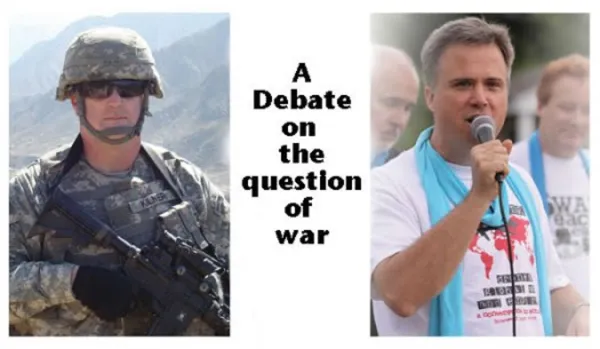
“Never before in the history of the world,” he went on, “has there been a global, visible, public, viable, open dialogue and conversation about the very legitimacy of war.”
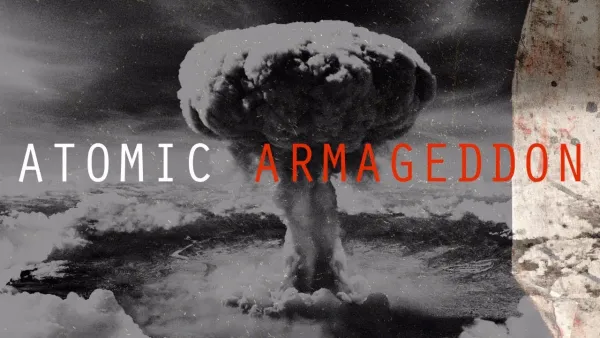
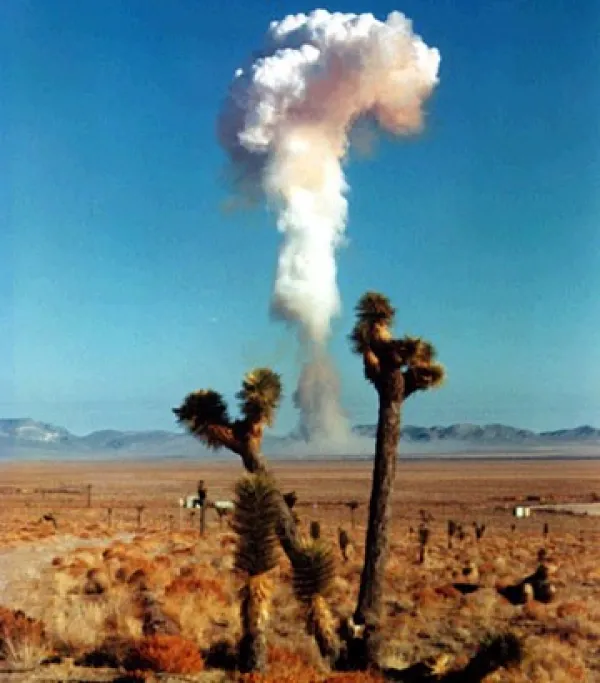
Did you hear the one about the “safe, secure, and effective nuclear deterrent”? There is, of course, nothing safe or secure about producing, maintaining, or threatening to use nuclear weapons. Nor is there evidence that they have ever deterred anything that the United States wanted deterred.