
The Free Press is bringing back a Reviews section after some absence. We hope to review plenty of events around town. Check back frequently and if what\'s going on is any good.
Arts & Culture
Image
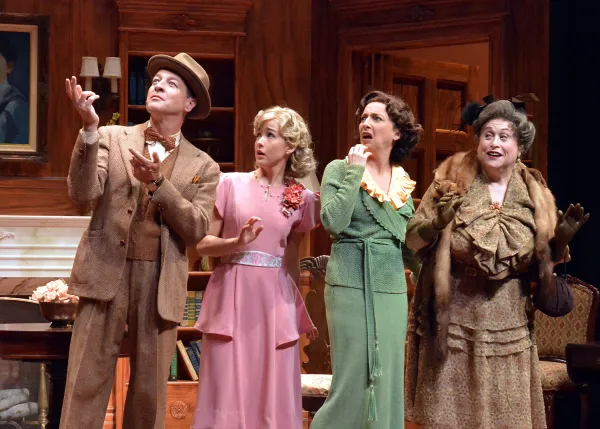
Seventy-five years ago playwright Mary Chase’s Harvey started hip-hopping across the stage for four and a half years, as this whimsical classic about a great white rabbit went on to have one of the longest theatrical runs in Great White Way history. Chase’s three act play rather famously depicted well-to-do Ellwood P. Dowd, owner of a posh home somewhere in the Far West, also inhabited by his sister Veta Louise Simmons, his 20-ish niece Myrtle Mae and - much to the chagrin of the mother and daughter - the titular six-foot, three-and-one-half-inch, invisible rabbit. Ellwood regards Harvey to be his best friend, but his sister and niece consider the hare’s purported existence to be apocryphal and a source of embarrassment. Hilarity ensues.
Image
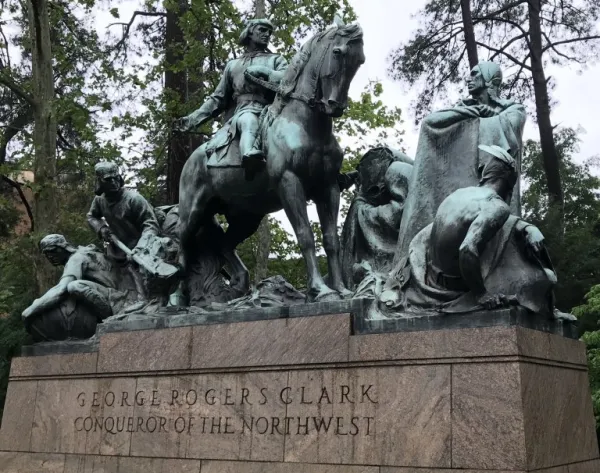
A case can be made that just about any public statue in Charlottesville, Virginia, is the worst one. The much lamented statues of Robert E. Lee and Stonewall Jackson are not alone in their offensiveness. Determining a winner in a contest for the worst monument in Charlottesville is not nearly as important, I think, as removing any of the lot of them from our central public spaces and installing them in a museum. I’m grateful to everyone who has advocated for the removal of any of these monstrosities and support those efforts 1000%, as I have written about often.
Image
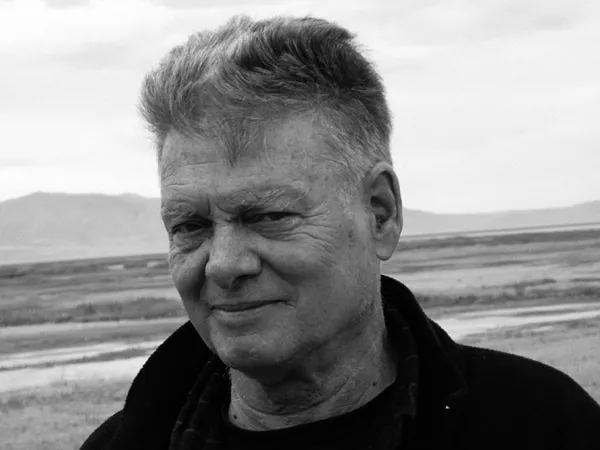
John Brown is one of American history’s most fascinating characters. The American Spartacus, Brown led an anti-slavery revolt in 1859 and has often been depicted as overzealous and even stark raving mad. After all, to racists, any white man who’d place himself in harm’s way by taking up arms in order to free Black slaves by definition had to be a lunatic. After his failed raid at Harpers Ferry a crowd of southerners questioned the militant firebrand while he was imprisoned at the armory and a bystander called Brown “fanatical.” Indeed, in the 1940 Hollywood movies Santa Fe Trail and Abe Lincoln in Illinois, Raymond Massey and John Cromwell portrayed Brown as insane.
But those whom Brown defended - and their descendents - did not think the freedom fighter was crazy. Of course, during the Civil War, the Union hymn “John Brown’s Body” paid tribute to the bold abolitionist. And in 1965 Malcolm X told whites who were expressing solidarity with Blacks: “If you are for me and our people’s problems then you have to be willing to do as old John Brown did.”
Image
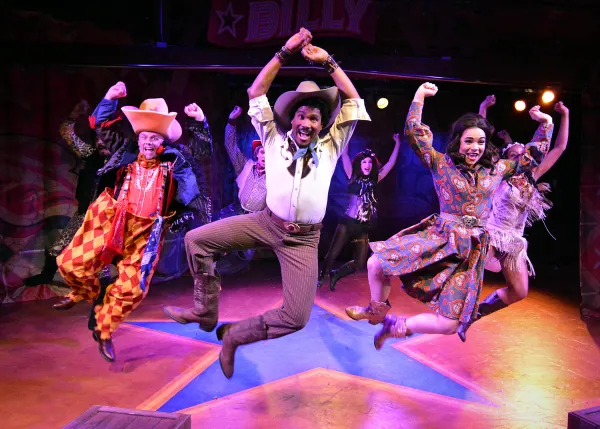
So in a recent theater review I revealed my guilty pleasure: Reading tell-all tomes about geniuses’ private lives. Herein I shall divulge my biggest recurring mistake as a reviewer. Because of my dread of plot spoilers (as all my loyal readers are well aware of) when I receive an invitation from a publicist to attend a show and see in it something, such as the topic or talent involved, that convinces me to critique it, I immediately stop reading said invite and RSVP. Usually, this preserves the cherished element of surprise (that too many publicists, as well as critics, ruin by giving away too much) and those plots remain unspoiled for me when it’s show time.
However, this perilous practice backfires on your humble scribbler about 10% of the time, when - due to this desire of avoiding plot spoilers I don’t complete perusing those press releases, et al - and later realize (after it’s too late), that had I finished reading those invites I probably would not have fought the L.A. traffic and made the trip all the way into urban hell to see a production I actually had no interest in, after all. Woe is moi!
Image
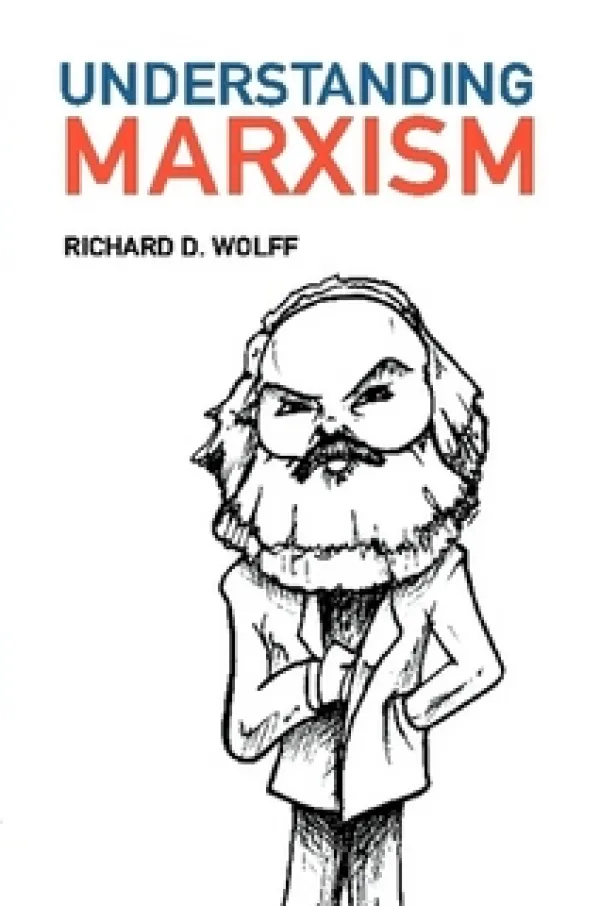
The 2008 crisis of capitalism sparked and regenerated interest in alternatives to the capitalist system, which was on the verge of collapsing. This included revived interest in socialism, with one of the results being the propelling of an obscure leftwing academic into history’s headlights. With appearances on TV shows including Bill Moyers’ and Charlie Rose’s programs, “Economic Update” (heard in L.A. on KPFK) radio broadcasts and packed live speaking engagements, the financial disaster made Prof. Richard Wolff ready for his close up. “I’ve got to pinch myself; I’m having the time of my life,” a surprised Wolff said about suddenly being thrust into prime time.
Image
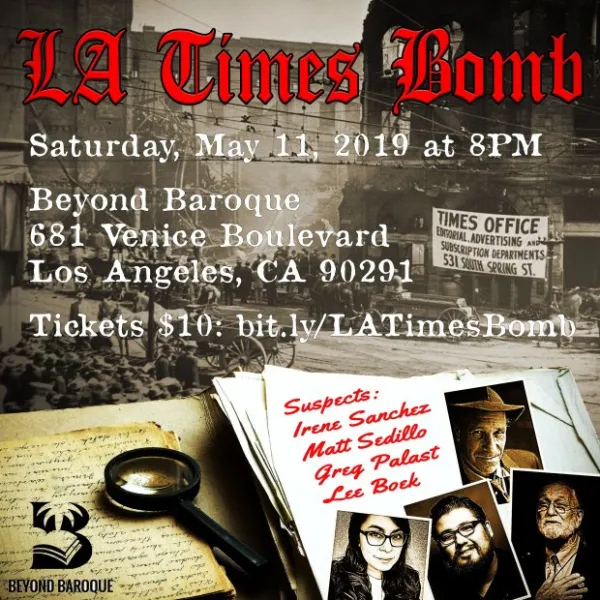
A new live stage production inspired by the 1910 bombing of the Los Angeles Times and its building in Downtown L.A. has been mounted at the Beyond Baroque literary arts center in Venice. But instead of a conventional dramatization of the historic events and figures, with actors reciting dialogue from a script penned by a playwright, California Poets for Resistance (CPR) used a “docu-play” format and technique to bring the explosion that killed 21 LAT employees and wounded 100 others alive.
Image
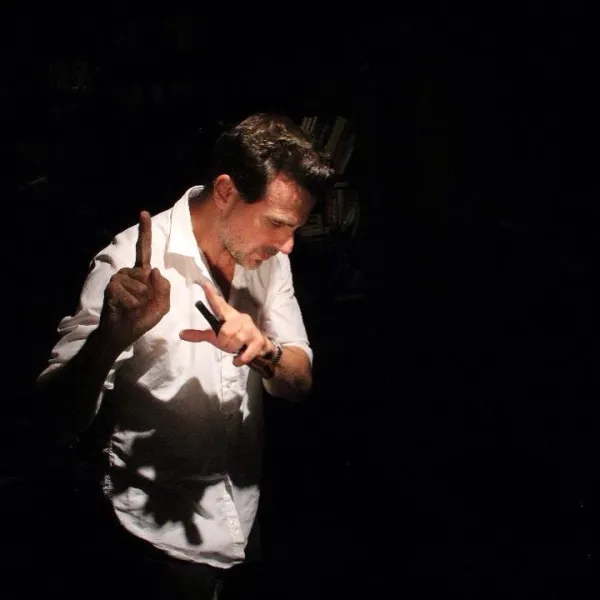
Do you have a guilty pleasure? Mine is reading tabloidy tell-all books about the private lives of geniuses. Reading these literary invasions of privacy - such as Francoise Gilot’s blabby book about Picasso or May Pang’s salacious saga about John Lennon - helped pass the time while on long haul flights from Guam to New York or L.A. to Switzerland or Tahiti, etc. So when I heard about Wild Son: The Testimony of Christian Brando I set out to Santa Monica Playhouse see this one-man show by Champ Clark ASAP (although by car, not jet).
Marlon Brando, the star of classics such as Streetcar Named Desire, The Wild One, Viva Zapata, On the Waterfront, Burn!, Last Tango in Paris, etc., is my favorite thespian. The Method actor’s life offstage and offscreen has been as colorful and dramatic as any of his plays or movies. What’s probably the most tragic part of Marlon’s life deals with his daughter Cheyenne and son, Christian, who is depicted by a smoldering John Mese in this one-act play, based on Clark’s audiotaped interviews with the eldest child of the star of The Godfather, who had about nine children from various marriages and liaisons.
Image
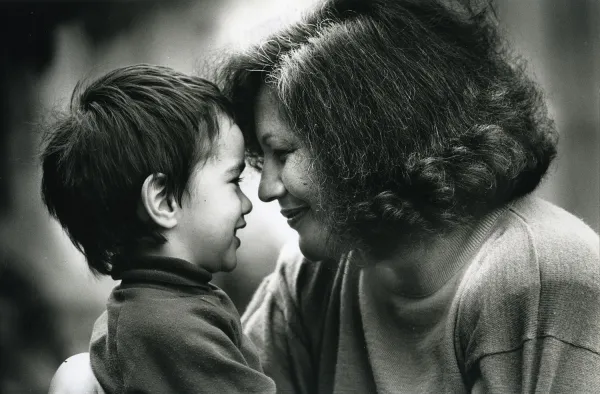
MERATA: HOW MUM DECOLONIZED THE SCREEN
Merata: How Mum Decolonized the Screen is a terrific biopic about Maori moviemaker Merata Mita, the first Pacific Islander woman to direct a feature film (1988’s Mauri, which means “Life Force” and Mita also wrote). This 95 minute documentary includes extensive interviews with Mita plus her relatives, colleagues and those she mentored such as Taika Waititi (What We Do in the Shadows). There are also clips from the nonfiction films she made and the fiction movies she acted in and helmed. In the process we learn much about this Polynesian woman and the worldview she expressed onscreen, which aimed at debunking South Seas Cinema’s celluloid stereotypes by “decolonizing” and “indigen-izing” motion pictures. As Merata told me when I interviewed her for the July 22, 1992 Honolulu Weekly:
Image
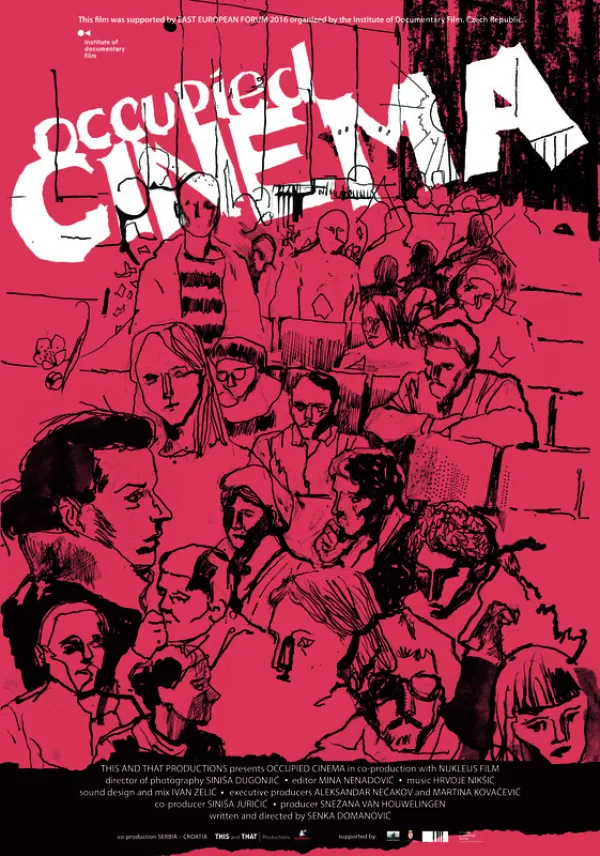
If “audacity in cinema” is the theme of this year’s South East European Film Festival, then the Serbian documentary Occupied Cinema is among the 14th annual SEEfest’s most audacious films. Following the circa 1990 collapse of a form of socialism in former Yugoslavia, along with civil wars a wave of privatization swept Serbia, et al. State-owned, nationalized property were sold off to private owners (often, according to the film, at pennies on the dollar), including a chain of movie theaters in Belgrade.
Image
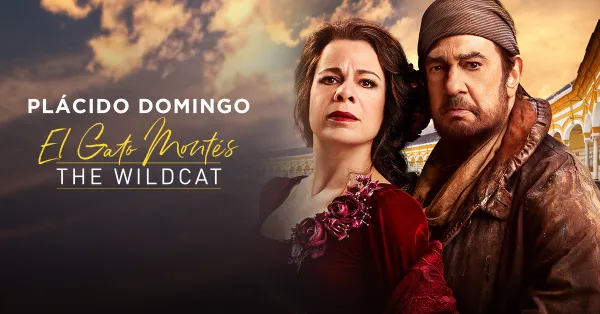
Some who don’t actually attend opera may be under the false impression that it is a stuffy art form. In fact, with its emphasis on music, lyrics, acting and more, opera is often an extremely emotional mode of expression. And Manuel Penella’s 1916 El Gato Montés (The Wildcat) is arguably one of the most passionate works ever created for the operatic medium. Consider its sizzling plot (which could provide the storyline for a telenovela):
Soleá (soprano Ana María Martínez) is a young “Gypsy” (now called Roma) romancing the matador Rafael Ruiz (tenor Arturo Chacón-Cruz). However, to make a long story short, like in Mary MacGregor’s 1976 song “Torn Between Two Lovers”, Soleá has also been involved with the title character, an outlaw known as the Wildcat and depicted by baritone Placido Domingo in his 151st stage role (but, for the first time ever, playing the title role of El Gato Montés - aka Juanillo - although in 1994 our beloved Placido portrayed the bullfighter Rafael when LA Opera first presented this three act opera, which is here presented with only one intermission).