Anti-War
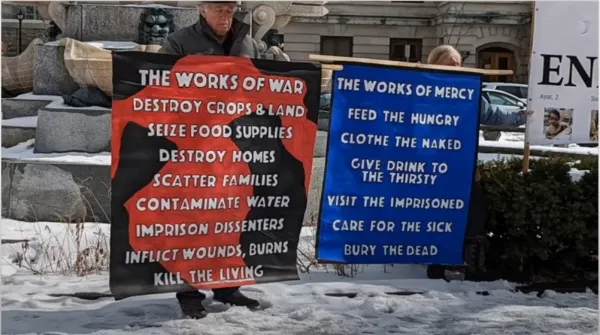
The war in Ukraine rages on, and the war mentality, promoted by propaganda on all sides, generates ever more devotion to keeping it going, even escalating it, even considering repeating it in Finland or elsewhere based on having “learned” precisely the wrong “lesson.” The bodies pile up. The threat of famine looms over many countries. The risk of nuclear apocalypse grows. The impediments to positive action for the climate are strengthened. Militarization expands.
The soul of humanity cries out from the crowded streets of Moscow, from steps near the Kremlin, as a man — an artist in the deepest sense — brings the slaughter of civilians in Bucha back to the home country . . . not by killing a bunch of Russians, but by posing, publicly, as dead himself, with his hands tied behind his back.
Let this man’s spirit flow across the whole planet.
War is hell, and when we wage it — when we dehumanize an enemy, thus allowing ourselves to commit mass murder — we dehumanize ourselves. This unknown Russian man, in posing as someone killed in Ukraine, is bringing awareness home: Look what we’re doing! Let us reclaim our humanity.
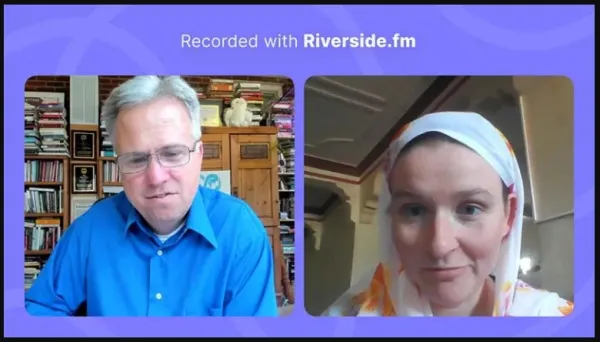
Talk World Radio: Ruth McDonough on Unarmed Resistance in Western Sahara
https://davidswanson.org/talk-world-radio-ruth-mcdonough-on-unarmed-resistance-in-western-sahara/
AUDIO:
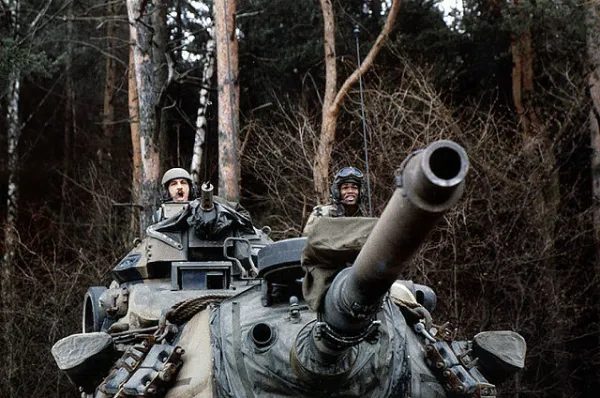
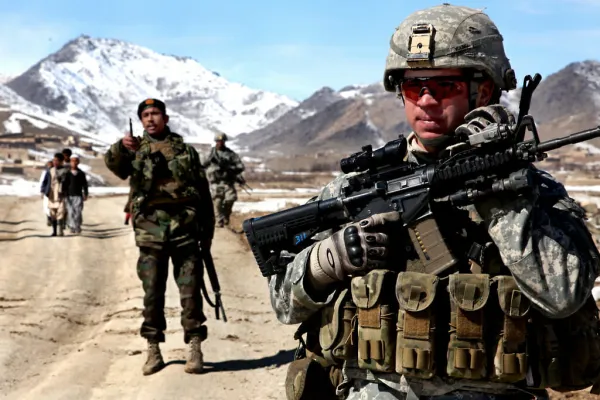
Russia’s war in Ukraine -- like the USA’s wars in Afghanistan and Iraq -- should be understood as barbaric mass slaughter. For all their mutual hostility, the Kremlin and the White House are willing to rely on similar precepts: Might makes right. International law is what you extol when you aren’t violating it. And at home, rev up the nationalism to go with the militarism.
While the world desperately needs adherence to a single standard of nonaggression and human rights, some convoluted rationales are always available in a quest to justify the unjustifiable. Ideologies get more twisted than pretzels when some people can’t resist the temptation to choose up sides between rival forces of terrible violence.
In the United States, with elected officials and mass media intensely condemning Russia’s killing spree, the hypocrisy can stick in the craw of people mindful that the Afghanistan and Iraq invasions started massive protracted carnage. But U.S. hypocrisy in no way excuses the murderous rampage of Russia’s war on Ukraine.
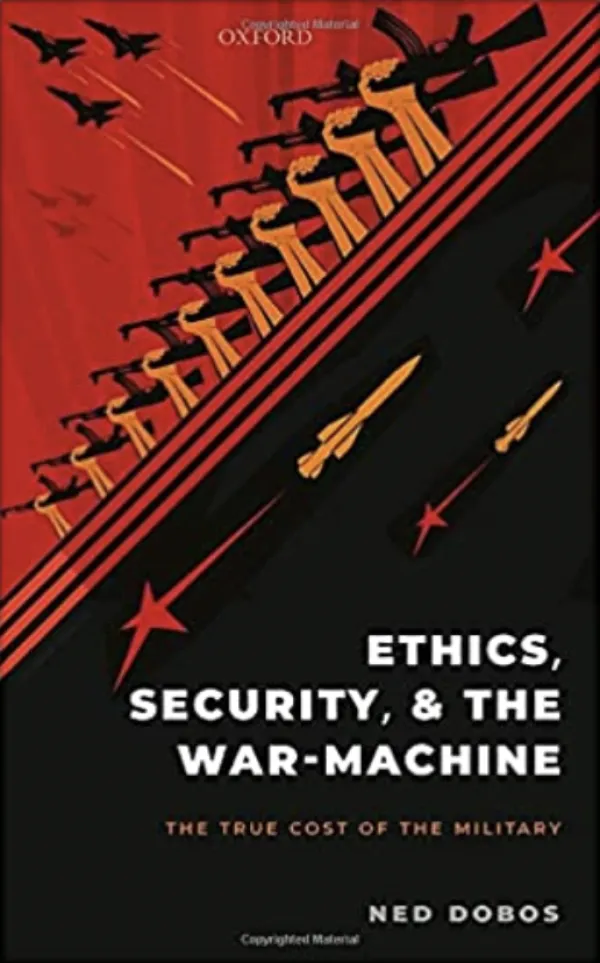
I’ve just become aware of and read the 2020 book by Ned Dobos, Ethics, Security, and The War-Machine: The True Cost of the Military. It makes a pretty strong case for the abolition of militaries, even while concluding that it may or may not have done so, that the matter should be taken on a case-by-case basis.
Dobos sets aside the question of whether any war can be justified, arguing instead that “there may be cases where the costs and risks generated by a military establishment are too great for its existence to be justified, and this is even if we think that some wars are necessary and consistent with the demands of morality.”
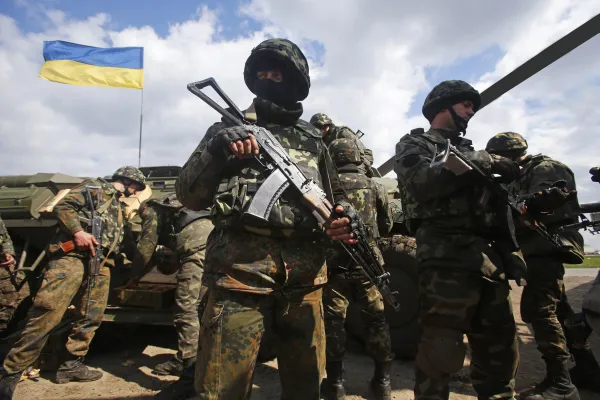
Peace, in the deepest sense — in the midst of war — requires a clarity and courage well beyond the boundaries of linear understanding. The warning lights flash. World War III has entered the red zone.
Can we stare into hell and refuse to see . . . an enemy?
This is the deep, haunting need that is now required, as we clutch tomorrow, hold it tight, vow to protect it with our lives. But it’s far too easy, instead, to surrender to a certainty that the other guy — Russia, with the smirking face of Vladimir Putin — is 100 percent wrong, acting solely out of greed and delusional grandeur, which is something we would never do (and have never done). And it goes without saying we are blameless in all this. On with the show!
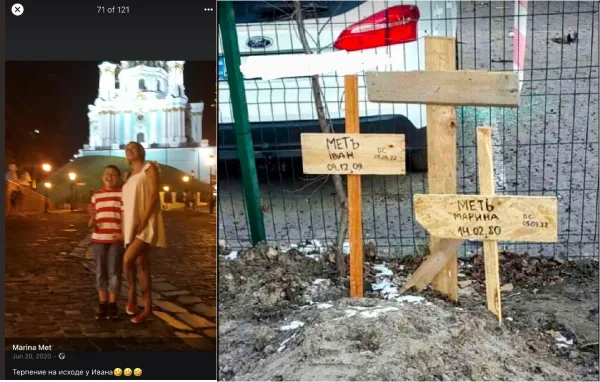
For decades, the U.S. public seemed largely indifferent to most of the horrible suffering of war. The corporate media outlets mostly avoided it, made war look like a video game, occasionally mentioned suffering U.S. troops, and once in a blue moon touched on the deaths of a handful of local civilians as if their killing were some sort of aberration. The U.S. public funded and either cheered for or tolerated years and years of bloody wars, and came out managing to believe falsely that a large percentage of war deaths are of troops, that a large percentage of war deaths in U.S. wars are U.S. troops, that wars happen in a mysterious place called a “battlefield,” and that with rare exceptions the people killed by U.S. troops are people who need killing exactly like those given death sentences in U.S. courts (except for the ones later exonerated).